
INTRODUCTION
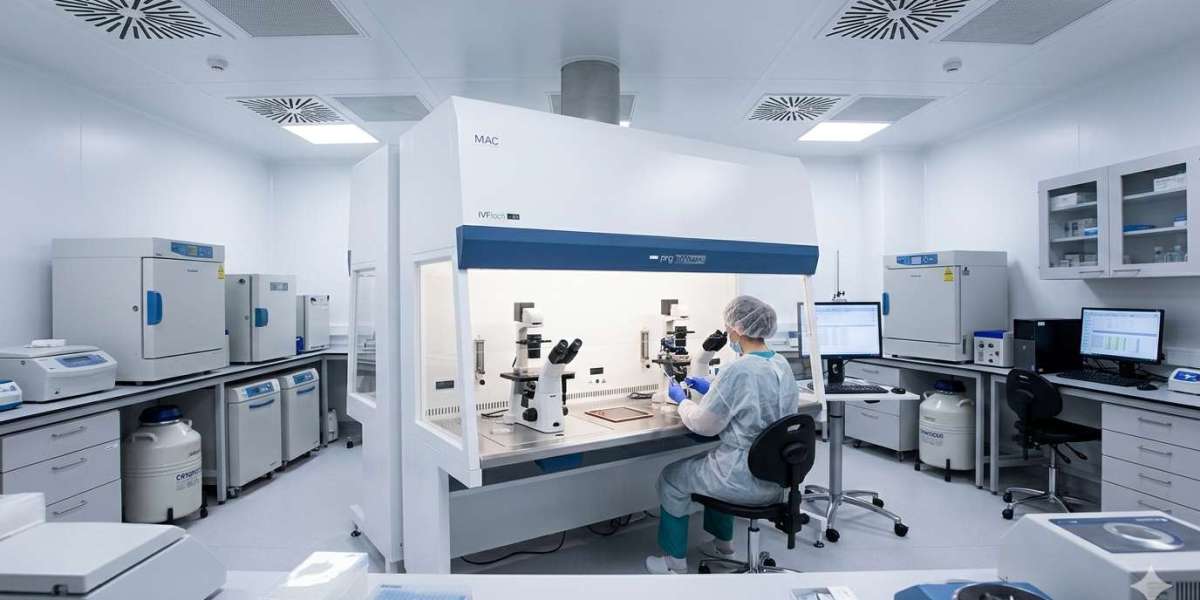
In assisted reproductive technology (ART), success depends heavily on precision, environmental stability, and contamination control. Cleanroom technology has become a foundational element in modern IVF Laboratory Design, ensuring that laboratories meet the highest standards of sterility and performance.
The integration of cleanroom systems into IVF Laboratory Design transforms a standard lab into a highly controlled environment where air quality, temperature, humidity, and contamination levels are meticulously regulated. This directly influences embryo development, fertilization rates, and overall clinical success.
This comprehensive blog explores how cleanroom technology affects IVF laboratory design, operations, and outcomes.
Understanding Cleanroom Technology in IVF Labs
A cleanroom is a controlled space where airborne particles, microbes, and chemical contaminants are minimized. In IVF labs, this environment is essential because gametes and embryos are extremely sensitive to external factors.
Key Objectives of Cleanroom Technology:
- Eliminate airborne contamination
- Maintain stable environmental conditions
- Protect embryos from toxic substances
- Ensure compliance with global standards
Cleanroom integration is not optional—it is a necessity for high-performing IVF Laboratory Design.
Impact of Cleanroom Technology on IVF Laboratory Layout
1. Zoning and Space Segregation
Cleanroom technology fundamentally reshapes how IVF labs are organized.
Zoning Structure:
- ISO Class 5: Embryology lab (critical zone)
- ISO Class 6–7: Andrology and general lab areas
- Controlled access zones: Entry and exit points
Effect on IVF Laboratory Design:
- Clear separation of sterile and non-sterile areas
- Reduced cross-contamination
- Improved workflow efficiency
2. Unidirectional Workflow Planning
Cleanroom principles require a linear workflow to minimize contamination risks.
Flow Example:
Patient → Sample Collection → Processing → Fertilization → Culture → Transfer
Design Impact:
- Reduced backtracking
- Faster sample handling
- Improved coordination among staff
Air Quality Control and Filtration Systems
3. HEPA and ULPA Filtration
Cleanroom technology introduces advanced filtration systems.
Features:
- HEPA filters: 99.97% efficiency
- ULPA filters: Higher efficiency for ultra-fine particles
Effect on IVF Laboratory Design:
- Continuous supply of clean air
- Protection against bacteria and dust
- Enhanced embryo safety
4. Laminar Airflow Systems
Laminar airflow is a defining feature of cleanrooms.
Characteristics:
- Unidirectional airflow
- Low turbulence
- Constant velocity
Design Impact:
- Placement of laminar airflow units over workstations
- Creation of sterile working zones
- Improved embryo handling conditions
Environmental Control Systems
5. Temperature and Humidity Stability
Cleanroom-integrated HVAC systems maintain strict environmental conditions.
Standard Parameters:
- Temperature: 20–24°C
- Humidity: 40–60%
Effect on IVF Laboratory Design:
- Dedicated HVAC zones
- Precise sensor placement
- Reduced environmental fluctuations
6. Air Pressure Differentials
Positive pressure is maintained in critical areas.
Function:
- Prevents entry of contaminated air
Design Impact:
- Use of airlocks
- Pressure-controlled rooms
- Sealed lab environments
Material Selection and Surface Design
7. Cleanroom-Compatible Materials
Cleanroom technology dictates the use of specialized materials.
Features:
- Non-porous surfaces
- Antibacterial coatings
- Seamless joints
Effect on IVF Laboratory Design:
- Easy cleaning and sterilization
- Reduced microbial growth
- Long-term durability
8. Flooring and Wall Systems
Requirements:
- Anti-static flooring
- Seamless wall panels
- Cove joints
Impact:
- Prevents dust accumulation
- Enhances hygiene
- Supports sterile conditions
Contamination Control Strategies
9. VOC (Volatile Organic Compounds) Management
VOCs can harm embryos even at low levels.
Sources:
- Paints
- Adhesives
- Cleaning chemicals
Cleanroom Solution:
- Activated carbon filters
- Low-VOC construction materials
Effect on IVF Laboratory Design:
- Selection of safe materials
- Advanced air purification systems
10. Airlocks and Pass Boxes
Function:
- Control movement of people and materials
Design Impact:
- Reduced contamination risk
- Smooth transfer of samples and equipment
Equipment Placement and Integration
11. Strategic Equipment Positioning
Cleanroom design influences where equipment is placed.
Considerations:
- Minimal airflow disruption
- Easy access for staff
- Reduced movement
Impact:
- Improved efficiency
- Lower contamination risk
12. Integration of Advanced Technologies
Cleanroom-based IVF labs support modern technologies:
- Time-lapse incubators
- AI-based embryo selection
- Digital monitoring systems
Effect on IVF Laboratory Design:
- Need for dedicated zones
- Enhanced data integration
- Improved clinical decision-making
Monitoring and Validation Systems
13. Environmental Monitoring
Cleanrooms require continuous monitoring.
Parameters:
- Particle count
- Temperature
- Humidity
- VOC levels
Impact:
- Real-time alerts
- Immediate corrective actions
- Consistent lab performance
14. Validation and Compliance
Cleanroom-based IVF labs must meet:
- ISO 14644 standards
- ESHRE guidelines
- NABL requirements
Effect:
- Structured design approach
- Documentation and testing requirements
- Higher credibility
Operational Efficiency Improvements
15. Reduced Contamination Risk
Cleanroom technology significantly lowers infection risks.
16. Faster Workflow
Optimized layout reduces delays in procedures.
17. Improved Staff Productivity
Ergonomic and organized spaces enhance performance.
Cost Implications of Cleanroom Technology
Cleanroom systems can account for:
- 25–40% of total IVF lab setup cost
However, they provide:
- Higher success rates
- Lower failure rates
- Long-term cost savings
Challenges in Cleanroom-Based IVF Laboratory Design
- High initial investment
- Complex engineering requirements
- Regular maintenance needs
- Skilled workforce requirement
Despite these challenges, the benefits far outweigh the costs.
Common Mistakes to Avoid
- Ignoring airflow dynamics
- Using non-compliant materials
- Poor zoning and layout
- Lack of proper monitoring systems
Avoiding these mistakes ensures optimal performance.
Future Trends in Cleanroom Technology for IVF Labs
- AI-driven environmental control
- Smart cleanroom automation
- Energy-efficient HVAC systems
- Advanced filtration technologies
These innovations will further enhance IVF Laboratory Design.
Conclusion
Cleanroom technology has a profound impact on IVF Laboratory Design, shaping everything from layout and airflow to material selection and equipment placement. It creates a controlled environment that protects embryos, improves clinical outcomes, and ensures compliance with global standards.
By integrating advanced cleanroom systems, fertility clinics can achieve higher success rates, improved efficiency, and long-term sustainability. Investing in cleanroom-based design is not just a technical upgrade—it is a strategic decision for excellence in reproductive healthcare.
FAQs
1. How does cleanroom technology affect IVF Laboratory Design?
Cleanroom technology in IVF Laboratory Design improves air quality, controls contamination, and ensures stable environmental conditions.
2. Why is cleanroom technology important in IVF labs?
Cleanroom technology in IVF Laboratory Design protects embryos from harmful contaminants and enhances success rates.
3. What standards are followed in cleanroom IVF labs?
IVF Laboratory Design with cleanroom integration follows ISO 14644, ESHRE, and NABL standards.
4. Does cleanroom technology increase IVF lab costs?
Yes, cleanroom technology increases initial costs in IVF Laboratory Design but provides long-term benefits and higher success rates.
5. Can IVF Laboratory Design be implemented without cleanroom technology?
While possible, IVF Laboratory Design without cleanroom technology may lead to lower efficiency and higher contamination risks.
Read Our Previous Blog------>What is the role of cleanroom technology in IVF Lab Design Services?