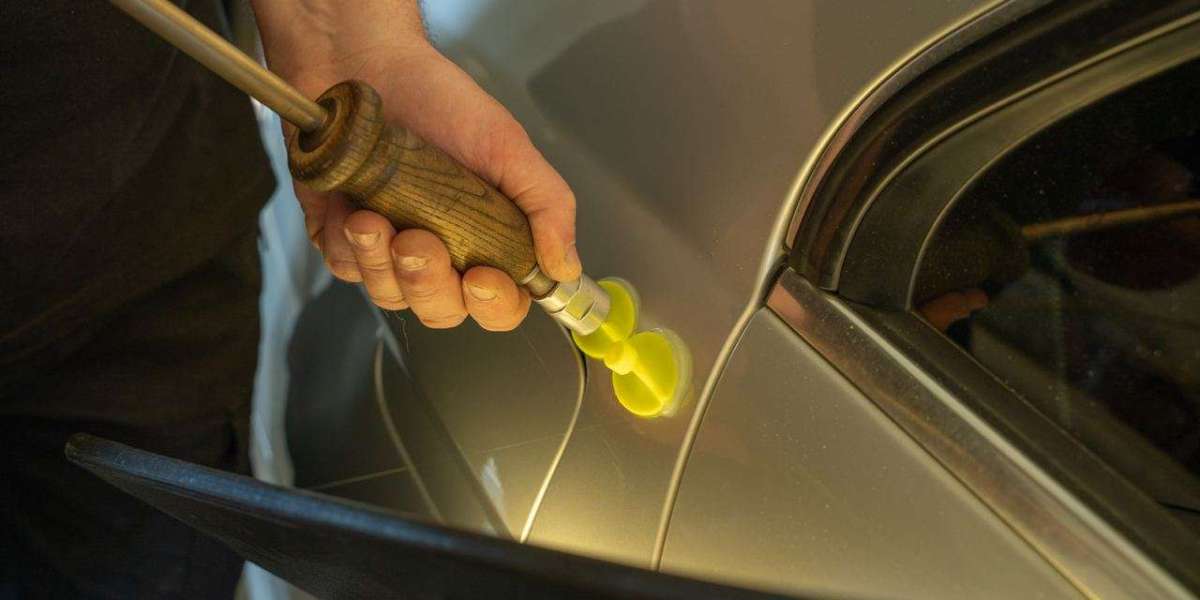

For any vehicle owner, that first moment you spot a dent is a sinking feeling. Whether it’s the result of a runaway shopping cart, a careless driver in a parking lot, or a more serious collision, the damage often feels like a permanent scar on your prized possession. But for those who value both safety and aesthetic precision, a dent is more than just a cosmetic blemish—it is a disruption to the vehicle’s integrity.
In the world of automotive restoration, the gap between a "quick fix" and professional collision repair is vast. It isn't just about smoothing out metal; it is about understanding the complex engineering hidden beneath the surface. From the precise calibration of safety sensors to the intricate alignment of your suspension, modern repair is a blend of artistry and advanced technology.
This guide explores the nuances of Dent Repair, the critical importance of checking your Wheels & Alignment, and why your choice of auto repair shop matters more now than ever before.
The Art and Science of Modern Dent Repair
Gone are the days when every dent required gallons of body filler and a complete repaint. Today, the industry distinguishes between two primary methods of restoration, each serving a specific purpose in preserving your vehicle’s value.
The Invisible Art: Paintless Dent Repair (PDR) For minor dings, hail damage, and creases where the paint surface remains intact, Paintless Dent Repair (PDR) is the gold standard. This technique is less invasive and highly favored by car enthusiasts. Technicians use specialized metal rods and body picks to massage the metal back into its original shape from behind the panel.
Preserves Value: Because it keeps your original factory paint, PDR prevents color mismatching and maintains the vehicle's resale value.
Efficiency: Most PDR jobs are completed in hours, not days, getting you back on the road faster.
Traditional Collision Repair When the damage is severe—involving deep scratches, chipped paint, or stretched metal—traditional Collision Repair becomes necessary. This is "surgery" for your car. It involves reshaping the metal, applying high-quality fillers, sanding, and then professionally repainting the area.
Aesthetic Precision: A high-quality shop will use computerized color matching to blend the new paint seamlessly with the old, ensuring the repair is undetectable to the naked eye.
Corrosion Protection: Proper sanding and sealing prevent rust from forming under the surface, a common killer of vehicles that receive subpar repairs.
Hidden Dangers: Bumpers, Sensors, and Safety Systems
One of the biggest misconceptions in auto repair is that a bumper is just a piece of plastic designed to absorb impact. On modern vehicles, the bumper is the "face" of your car's intelligence system.
The ADAS Factor Most vehicles manufactured in the last decade feature Advanced Driver Assistance Systems (ADAS). These include blind-spot monitoring, parking sensors, and automatic emergency braking. These sensors are often mounted directly behind the bumper covers.
If you opt for a cheap bumper repair that involves applying too much putty or a layer of paint that is too thick, you can actually "blind" these sensors. The radar waves may not be able to penetrate the repair material, causing safety systems to fail or trigger false alarms.
Industry Insight: The complexity of modern vehicles has shifted the cost structure of repairs. According to recent industry data, ADAS components can now account for over 13% of the total repair cost in minor front-end collisions. This statistic highlights why you cannot simply "buff out" a bumper without considering the electronics underneath.
The Silent Alignment Killer
After a collision, even a minor one, most owners focus intently on the body panels. However, the force of an impact travels through the entire vehicle frame, often wreaking havoc on your suspension geometry. This is why a comprehensive Wheels & Alignment check is non-negotiable.
The Domino Effect of Misalignment If your vehicle takes a hit to the wheel or fender, the alignment specs (camber, caster, and toe) can shift by fractions of an inch. While this might seem negligible, the consequences are severe:
Rapid Tire Wear: Misalignment will chew through a set of expensive tires in just a few thousand miles.
Compromised Handling: You may notice the vehicle pulling to one side or the steering wheel feeling "loose," which can be dangerous in emergency maneuvers.
ADAS Calibration: Many safety cameras rely on the vehicle moving in a perfectly straight line. If your alignment is off, your Lane Keep Assist system may think you are drifting when you aren't, fighting you for control of the wheel.
A reputable auto repair shop will always place the vehicle on an alignment rack after structural repairs to ensure the car drives as straight and true as the day it left the factory.
Summary: Choosing Expertise Over Expediency
Whether you are an enthusiast looking to restore a classic sheen or a daily commuter navigating an insurance claim, the goal of repair should always be the same: a return to pre-accident condition, both visually and mechanically.
Modern Dent Repair and Collision Repair require a deep understanding of metallurgy, electronics, and geometry. By prioritizing a shop that understands the importance of ADAS calibration and proper Wheels & Alignment, you are protecting your investment and your safety. Don't settle for a repair that just looks good in the parking lot; insist on one that performs flawlessly on the highway.