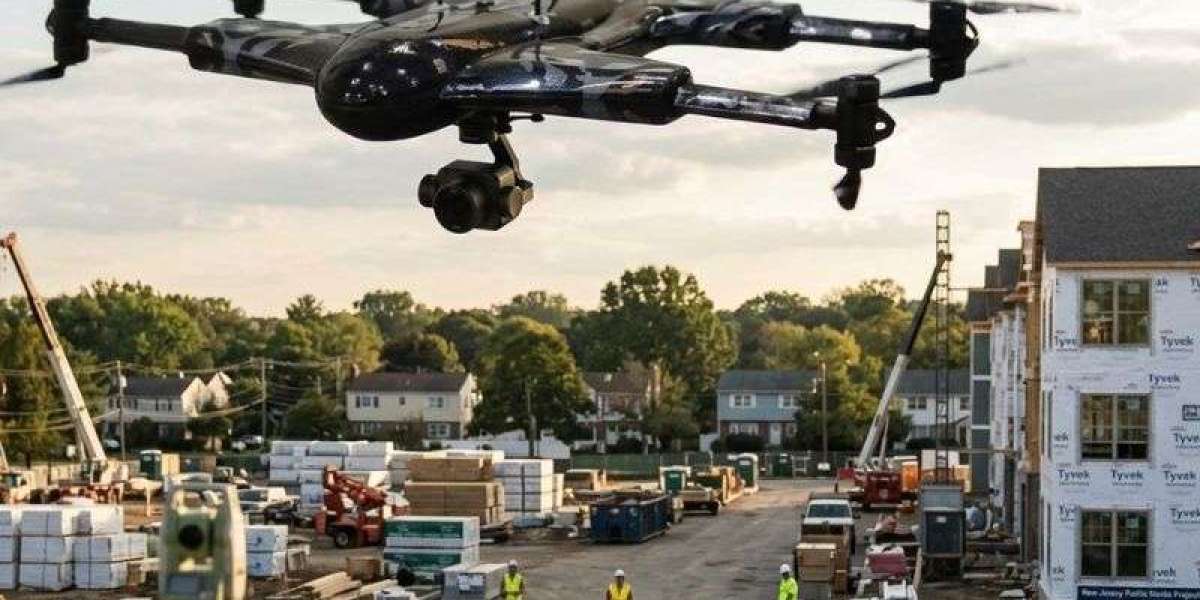

A few years ago, drones felt like futuristic toys. Today, they’re part of everyday life in the United States. Whether it’s capturing breathtaking aerial shots, inspecting infrastructure, or assisting in emergency response, drones are proving their value across multiple fields.
But with this rapid growth comes responsibility. Understanding drone rules, safety practices, and evolving UAV regulations is essential—not just for professionals but also for hobbyists. Let’s explore how drones are being used in real life and what you need to know to stay compliant and safe.
The Rise of Drones in Modern America
Drones, also known as unmanned aerial vehicles (UAVs), have seen explosive growth in the U.S. over the past decade. What started as recreational flying has evolved into a serious business tool. Today, drones are used in:
Agriculture for crop monitoring and spraying
Construction for site surveys and progress tracking
Real estate for aerial photography
Law enforcement for surveillance and search missions
Delivery services experimenting with last-mile logistics
This shift is driven by affordability, improved technology, and increasing acceptance of aerial solutions.
Understanding Drone Rules and Regulations
While drones offer incredible possibilities, the U.S. Federal Aviation Administration (FAA) has strict rules to ensure safety.
Key FAA Guidelines
Here are some basic drone rules every operator should follow:
Register your drone if it weighs more than 0.55 pounds
Fly below 400 feet in most cases
Keep your drone within visual line of sight
Avoid restricted airspace (near airports, military zones)
Do not fly over people without proper authorization
For commercial use, operators must obtain a Part 107 certification, which includes passing a knowledge test.
State-Level Regulations Matter Too
Beyond federal laws, each state—and sometimes even cities—has its own regulations. These can include restrictions on where drones can take off or land, privacy considerations, and local safety requirements.
For example, if you’re planning to fly in the northeastern U.S., it’s worth checking detailed resources like New Jersey drone laws to understand local rules before you take off. These localized guidelines can help you avoid fines and ensure responsible flying.
Real-World Applications That Matter
Drones aren’t just convenient—they’re solving real problems.
1. Emergency Response and Public Safety
Drones are increasingly used by fire departments and police. During emergencies, they can:
Provide aerial views of disaster zones
Locate missing persons faster
Assess damage without risking human lives
In wildfire situations, drones have been crucial in mapping fire spread and guiding response teams.
2. Agriculture and Smart Farming
Farmers are using drones to monitor crops with incredible precision. Instead of walking through acres of land, they can:
Identify unhealthy crops
Optimize irrigation
Reduce pesticide use
This not only saves time but also improves yield and sustainability.
3. Infrastructure Inspection
Inspecting bridges, power lines, and towers used to be dangerous and time-consuming. Now, drones can handle it. They allow engineers to:
Capture high-resolution images
Detect structural issues early
Reduce inspection costs
This is one of the fastest-growing uses of aerial technology in the U.S.
4. Delivery and Logistics
Companies like Amazon and UPS are testing drone delivery systems. While still developing, this concept could revolutionize shipping by:
Reducing delivery times
Cutting fuel costs
Reaching remote areas easily
Though widespread adoption is still a work in progress, the future looks promising.
Drone Safety: What Every Pilot Should Know
Safety is not optional—it’s essential. Whether you’re flying for fun or business, following basic drone safety practices protects you and others.
Simple Safety Tips
Always check weather conditions before flying
Avoid crowded areas and events
Keep batteries fully charged and monitored
Respect privacy—don’t record people without consent
Use apps that show restricted airspace
Many accidents happen due to simple mistakes. A cautious approach can prevent most issues.
The Role of Technology in Safer Flights
Modern drones come equipped with features that make flying safer and easier:
GPS stabilization for better control
Obstacle avoidance sensors
Return-to-home functions
Geofencing to prevent entry into restricted zones
These advancements are helping even beginners operate drones responsibly.
Challenges Facing Drone Adoption
Despite the benefits, there are still hurdles.
Privacy Concerns
People worry about drones capturing images without permission. This has led to stricter local laws and public debates.
Airspace Management
As drone traffic increases, managing airspace safely becomes more complex. The FAA is working on systems like Remote ID to track drones in real time.
Regulatory Complexity
Different rules at federal, state, and local levels can confuse new users. Staying informed is key.
Practical Tips for Beginners
If you’re new to drones, here’s how to get started the right way:
Start with a beginner-friendly drone
Learn the rules before your first flight
Practice in open, low-risk areas
Watch tutorials and join online communities
Keep your drone updated with the latest firmware
Taking these steps will help you build confidence and avoid costly mistakes.
Conclusion
Drones are no longer a niche technology—they’re becoming part of everyday life in the United States. From improving public safety to transforming industries like agriculture and logistics, their impact is undeniable. However, with great capability comes responsibility. Understanding drone rules, respecting UAV regulations, and prioritizing safety are essential for anyone entering this space.
As technology continues to evolve, drones will only become more integrated into our daily routines. Whether you’re a hobbyist or a professional, staying informed and flying responsibly will ensure you’re part of this exciting future—without running into trouble along the way.