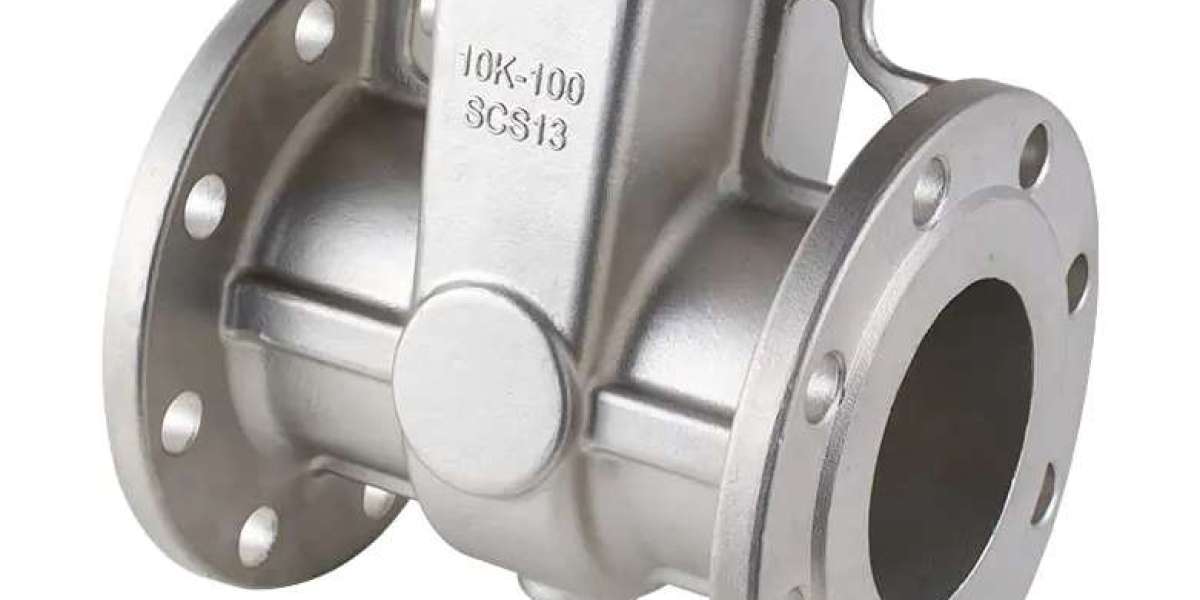

Standard valve configurations do not always meet the diverse requirements of petroleum systems. This is where OEM customization becomes essential, particularly when adapting the butterfly disc and petroleum valve design to specific operational conditions.
One of the first customization aspects involves size and geometry. Pipeline diameters and flow requirements vary widely across petroleum applications. OEM manufacturers adjust the dimensions of the butterfly disc to match these parameters. This ensures that flow control remains stable without introducing unnecessary resistance.
Material customization is another key factor. As discussed earlier, different environments require different material properties. OEM solutions allow clients to select materials that align with their operating conditions, whether that involves corrosion resistance, temperature stability, or mechanical strength. This flexibility helps optimize petroleum valve performance.
Coating and surface treatment options are also tailored through OEM processes. Clients may request specific coatings based on the type of fluid being handled. For example, pipelines transporting chemically active substances may require additional protective layers on the butterfly disc. These coatings help extend service life and maintain consistent performance.
Actuation compatibility is an important consideration. Petroleum valve systems often integrate with automated control systems, including electric, pneumatic, or hydraulic actuators. OEM customization ensures that the butterfly disc design aligns with these systems, providing smooth and responsive operation.
Another area of customization involves sealing configuration. Depending on the application, clients may require soft seals, metal seals, or a combination of both. OEM manufacturers adjust the interface between the butterfly disc and seat to achieve the desired sealing performance. This approach supports a wide range of operating conditions.
Industry trends are also influencing OEM design priorities. Digital monitoring and smart valve systems are becoming more common. Sensors can be integrated into petroleum valve assemblies to track performance data, such as position, pressure, and temperature. This information helps operators make informed decisions and improve system efficiency.
Sustainability is gaining attention as well. Reducing emissions and improving energy efficiency are now part of many project requirements. Customized butterfly disc designs that minimize flow resistance can contribute to lower energy consumption in pumping systems. This aligns with broader environmental goals without requiring major system changes.
Production flexibility is another advantage of OEM solutions. Manufacturers can adjust production methods based on order volume and design complexity. Small batches of specialized butterfly disc components can be produced alongside larger standard orders, allowing clients to meet both niche and large-scale needs.
Lead time management plays a role in project planning. OEM manufacturers often work closely with clients to align production schedules with installation timelines. This coordination helps avoid delays in petroleum valve system deployment.
Quality control remains a central focus throughout the customization process. Each butterfly disc undergoes inspection to ensure it meets specified requirements. Testing may include pressure tests, material verification, and dimensional checks. These steps help ensure that the final petroleum valve performs as expected in real-world conditions.