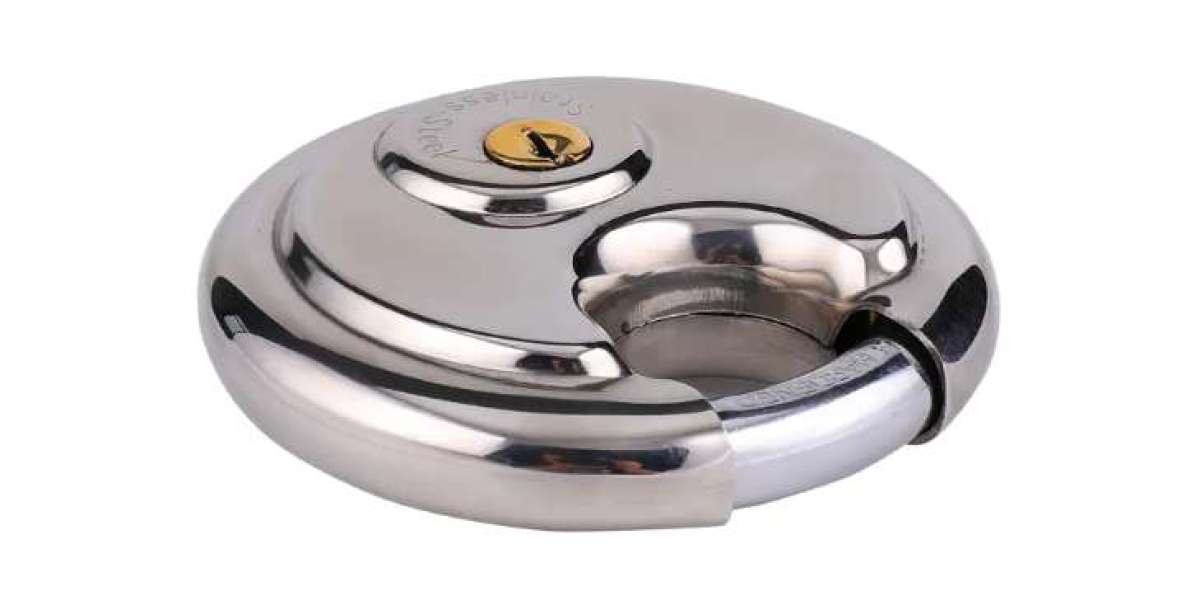

A padlock Factory today is no longer limited to traditional mechanical production methods. As security requirements evolve, even basic products like an Iron padlock are being refined through improvements in materials, structure design, and manufacturing processes. While the core function remains the same—restricting unauthorized access—the way this function is achieved continues to adapt to changing environments and user expectations.
One noticeable development is the refinement of structural geometry. Traditional lock bodies often follow simple rectangular or circular designs, but modern production lines experiment with internal reinforcement shapes that distribute force more evenly. This helps reduce weak points under physical stress such as hammering or leverage attempts. Engineering adjustments may appear small, but they influence how force travels through the lock body during impact.
Material treatment has also evolved. Instead of relying solely on basic iron casting, many factories now incorporate multi-stage treatment processes. These may include pre-hardening, surface strengthening, and anti-corrosion coatings applied in separate layers. Each layer contributes a specific function. For example, hardened surfaces improve resistance against cutting tools, while coating layers protect against environmental exposure. This layered approach allows iron padlocks to perform more reliably in varied conditions.
Manufacturing precision has improved significantly with the adoption of CNC machining for critical parts. Cylinder components, in particular, require tight tolerances to ensure smooth key operation. Even minor inconsistencies can lead to key jamming or uneven rotation. CNC equipment helps maintain consistent measurements across large production runs, reducing the need for manual adjustments during assembly. This improvement has reduced variation between units in many modern padlock factory systems.
Another area of development is internal mechanism refinement. Pin tumbler systems, commonly used in mechanical locks, have been optimized to reduce wear over time. Springs are selected for longer fatigue resistance, while pin surfaces are polished to minimize friction during movement. These improvements contribute to smoother long-term operation, especially in locks that are used frequently in industrial environments.
Environmental adaptation has also become an important design consideration. Iron padlocks used in coastal or high-humidity regions require enhanced corrosion protection. Some factories apply dual-layer coatings or introduce sealing structures that limit moisture entry into internal components. While no mechanical system is fully sealed against long-term exposure, these adjustments help extend operational lifespan under challenging conditions.
Testing methods have evolved alongside production improvements. Instead of basic strength checks, modern evaluation may include simulated environmental cycles. These cycles expose locks to alternating humidity, temperature changes, and mechanical stress. The goal is to observe how components behave over extended periods compressed into shorter test durations. Data collected from these tests informs design adjustments for future production runs.
User behavior also influences design changes. In many markets, padlocks are used not only for security but also for convenience-based access control in shared environments. This means locks must balance strength with ease of use. A stiff or overly complex mechanism may discourage proper usage, even if it offers higher theoretical resistance. Manufacturers often adjust internal tension levels to achieve a balance between security and usability.
Packaging and distribution improvements have also contributed indirectly to product reliability. Better packaging reduces transport damage, especially for products shipped in large quantities. Foam inserts, moisture-resistant wrapping, and standardized carton sizing help ensure that locks arrive in stable condition, reducing defect rates caused by transit handling.
Overall, innovation in padlock manufacturing is not about dramatic changes but gradual improvements across multiple small areas. From material treatment to internal mechanism refinement, each adjustment contributes to more stable performance. An iron padlock today reflects a combination of traditional mechanical principles and modern manufacturing control, shaped by continuous refinement inside the production environment.