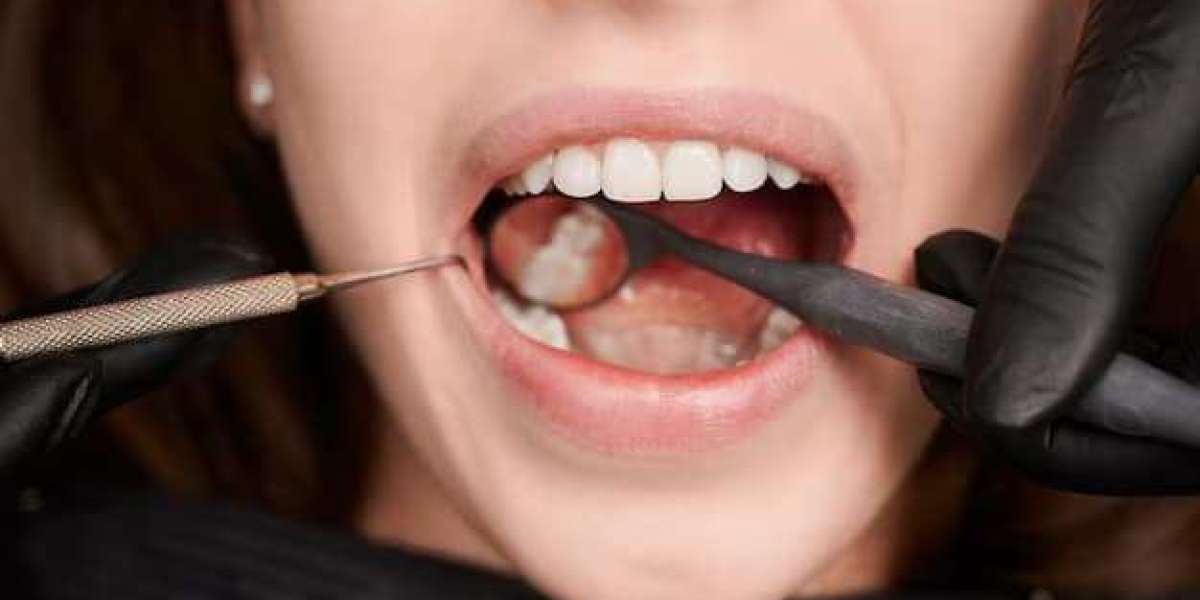

Maintaining strong and healthy teeth requires consistent care and preventive strategies that protect against decay and damage. One of the most effective yet often overlooked preventive treatments is dental sealants, which act as a protective barrier for vulnerable areas of the teeth. These thin coatings are applied to the chewing surfaces of molars, helping to block out harmful bacteria and food particles. By offering an extra layer of defense, they significantly reduce the risk of cavities and contribute to long term oral health for individuals of all ages.
What Are Dental Sealants
Understanding the Protective Coating
Dental sealants are thin, plastic like coatings that are carefully applied to the grooves of the back teeth. These molars often have deep pits where food particles and bacteria can easily accumulate. Even with proper brushing, these areas can be difficult to clean thoroughly. Sealants fill these grooves, creating a smooth surface that is easier to maintain. This simple treatment provides an added level of protection against tooth decay, especially in areas that are more susceptible to plaque buildup.
Why Molars Need Extra Protection
Molars play a crucial role in chewing and grinding food, which makes them more exposed to wear and tear. Their uneven surfaces create an ideal environment for bacteria to thrive. Over time, this can lead to cavities and other dental issues if not addressed properly. Dental sealants help safeguard these teeth by preventing harmful substances from settling into hard to reach areas. This proactive approach helps maintain the strength and functionality of molars for many years.
How Dental Sealants Work
Creating a Barrier Against Decay
The primary function of dental sealants is to act as a shield against bacteria and acids that cause tooth decay. Once applied, the sealant bonds directly to the tooth surface and forms a protective layer. This layer prevents food particles and plaque from settling into the grooves of the teeth. As a result, the risk of cavities is significantly reduced. This makes sealants an excellent preventive solution, especially for individuals who are more prone to dental issues.
A Quick and Painless Procedure
Applying dental sealants is a straightforward and painless process. The dentist begins by cleaning and drying the tooth thoroughly. A special solution is then applied to prepare the surface for bonding. After rinsing and drying again, the sealant is carefully painted onto the tooth and hardened using a curing light. The entire procedure usually takes only a few minutes per tooth, making it a convenient option for both children and adults seeking preventive care.
Benefits of Dental Sealants
Long Lasting Protection
One of the most significant advantages of dental sealants is their durability. Once applied, they can last for several years with proper care. Regular dental checkups help ensure that the sealants remain intact and effective. If needed, they can be reapplied to maintain optimal protection. This long lasting benefit makes sealants a cost effective solution for preventing cavities and reducing the need for more extensive dental treatments in the future.
Reduced Risk of Cavities
Dental sealants have been shown to significantly lower the risk of tooth decay, particularly in children and teenagers. By sealing off vulnerable areas, they prevent bacteria from causing damage to the enamel. This is especially beneficial during the early years when developing good oral hygiene habits is essential. Adults who are prone to cavities can also benefit from sealants, as they provide an additional layer of defense against decay.
Easy Maintenance
Teeth with dental sealants are easier to clean and maintain. The smooth surface created by the sealant prevents food particles from getting trapped in deep grooves. This allows brushing and flossing to be more effective in removing plaque and maintaining oral hygiene. As a result, individuals can enjoy healthier teeth with less effort and a lower risk of developing dental problems over time.
Who Can Benefit from Dental Sealants
Children and Teenagers
Dental sealants are most commonly recommended for children and teenagers, as their newly erupted molars are more susceptible to cavities. Applying sealants at an early age helps protect these teeth during the most cavity prone years. This preventive measure supports better oral health and reduces the likelihood of future dental complications. It also encourages young individuals to develop a proactive approach to dental care.
Adults at Risk of Tooth Decay
While sealants are often associated with children, adults can also benefit from this treatment. Individuals with deep grooves in their teeth or a history of cavities may find sealants particularly useful. By providing an extra layer of protection, sealants help prevent further decay and preserve the natural structure of the teeth. This makes them a valuable option for adults looking to enhance their oral health routine.
The Application Process Explained
Step by Step Procedure
The application of dental sealants involves several simple steps that ensure a secure and effective bond. First, the tooth is thoroughly cleaned to remove any debris or plaque. Next, a conditioning solution is applied to create a rough surface that helps the sealant adhere properly. After rinsing and drying, the sealant material is carefully applied and hardened using a special light. This process ensures that the sealant forms a strong and durable barrier.
What to Expect After Application
After receiving dental sealants, individuals can resume their normal activities immediately. There is no downtime or recovery period required. The treated teeth may feel slightly different at first, but this sensation quickly fades as the sealant settles. It is important to maintain regular dental visits to monitor the condition of the sealants and ensure they continue to provide effective protection.
Caring for Teeth with Dental Sealants
Maintaining Good Oral Hygiene
Although dental sealants offer excellent protection, they do not replace the need for proper oral hygiene. Brushing twice a day and flossing regularly remain essential for keeping teeth and gums healthy. Using fluoride toothpaste can further strengthen the enamel and enhance the effectiveness of sealants. Consistent care helps ensure that both natural teeth and sealants remain in good condition.
Regular Dental Checkups
Routine dental visits play a vital role in maintaining the effectiveness of dental sealants. During these checkups, the dentist can examine the sealants for any signs of wear or damage. If necessary, they can be repaired or reapplied to ensure continued protection. Regular monitoring helps detect potential issues early and supports long term oral health.
Common Myths About Dental Sealants
Sealants Are Only for Children
A common misconception is that dental sealants are only suitable for children. While they are highly beneficial for young individuals, adults can also take advantage of this preventive treatment. Anyone at risk of tooth decay can benefit from the added protection that sealants provide. This makes them a versatile solution for individuals of different age groups.
Sealants Replace Brushing and Flossing
Another myth is that dental sealants eliminate the need for regular brushing and flossing. In reality, sealants are designed to complement good oral hygiene practices, not replace them. Maintaining proper dental care habits is essential for preventing gum disease and ensuring overall oral health. Sealants work best when combined with a consistent and thorough hygiene routine.
Why Dental Sealants Are a Smart Investment
Cost Effective Preventive Care
Investing in dental sealants can help reduce the need for more expensive treatments in the future. By preventing cavities, sealants minimize the likelihood of requiring fillings, crowns, or other restorative procedures. This makes them a practical and cost effective option for maintaining oral health. Preventive care not only saves money but also helps preserve the natural structure of the teeth.
Supporting Long Term Oral Health
Dental sealants contribute to overall oral health by protecting vulnerable areas of the teeth and reducing the risk of decay. This preventive approach helps individuals maintain strong and healthy teeth throughout their lives. By addressing potential issues before they develop into more serious problems, sealants play a key role in promoting long term dental wellness.
Conclusion
Dental sealants offer a simple yet highly effective solution for protecting teeth from decay and maintaining long term oral health. Their ability to create a protective barrier makes them an invaluable addition to any preventive dental care routine. Suitable for both children and adults, this treatment provides lasting benefits and supports healthier smiles. For those seeking reliable and professional dental care, Clove Dental santa monica stands as a trusted choice for comprehensive oral health services.
Click here to connect with professionals who care about your smile.