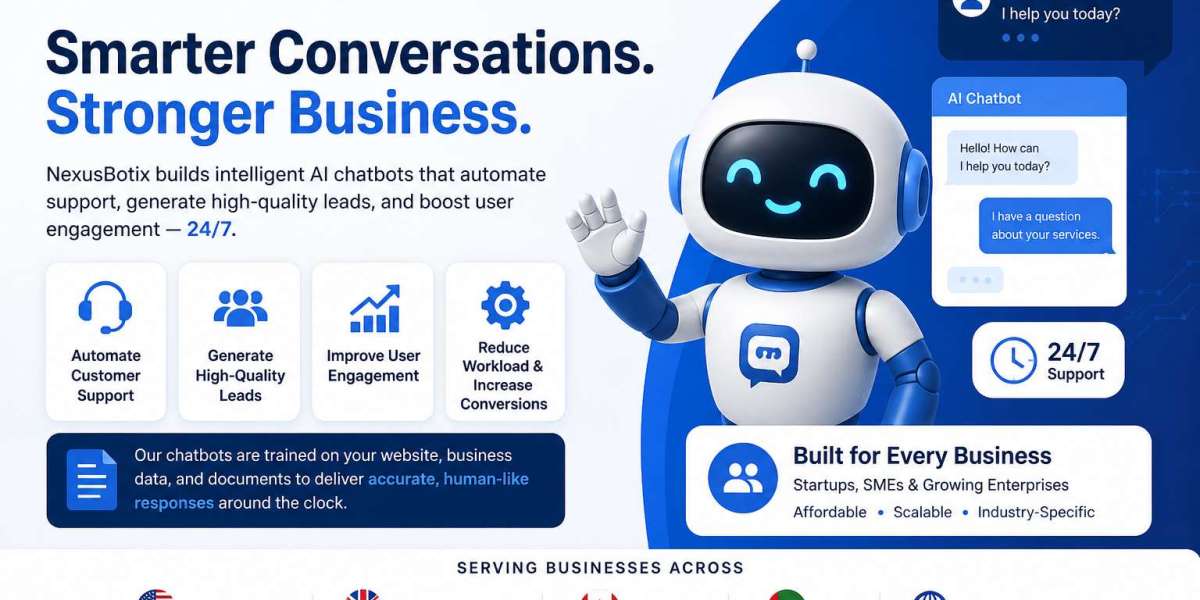

Getting traffic to your website is only half the job. Turning visitors into leads—that’s where most businesses struggle. This is exactly why the AI lead generation chatbot has become a go-to solution for companies across the UK, Canada, and the UAE looking to improve conversion rates without increasing marketing spend.
Instead of waiting for users to fill out forms, chatbots engage visitors instantly, guide conversations, and capture qualified leads in real time. When used strategically, they can significantly boost conversions while improving user experience.
Why Traditional Lead Generation Falls Short
Static forms and delayed follow-ups often lead to missed opportunities.
Visitors may have questions before committing, and if those questions go unanswered, they leave. Research shows that response speed directly impacts conversions—faster engagement leads to higher chances of capturing a lead.
An AI chatbot removes this friction by interacting with users at the exact moment they show interest.
How an AI Lead Generation Chatbot Improves Conversions
1. Instant Engagement with Website Visitors
Timing matters. When a visitor lands on your site, an AI chatbot can greet them, ask relevant questions, and offer assistance.
This immediate interaction increases the likelihood of keeping users engaged and moving them further down the funnel.
2. Qualifying Leads Automatically
Not every visitor is a high-quality lead.
AI chatbots can ask targeted questions—budget, needs, timeline—and filter out unqualified prospects. This ensures your sales team focuses only on leads with real potential.
3. Personalized Conversations
Generic messaging doesn’t convert well.
AI chatbots use behavioral data and past interactions to tailor responses. For example, returning visitors can receive different prompts compared to first-time users.
This level of personalization builds trust and improves conversion rates.
Proven AI Lead Generation Chatbot Strategies
1. Use Conversational Landing Pages
Replace traditional forms with chatbot-driven conversations.
Instead of asking users to fill out multiple fields, guide them step by step. This feels less overwhelming and more interactive, leading to higher completion rates.
2. Offer Value Before Asking for Details
Don’t start by requesting contact information.
Provide value first—answer a question, offer a recommendation, or share useful insights. Once trust is established, users are more likely to share their details.
3. Trigger Chat Based on User Behavior
Timing your chatbot prompts is critical.
For example:
- Show a message when a user spends more than 30 seconds on a page
- Trigger a chatbot when someone is about to exit
- Offer help on pricing or product pages
These behavior-based triggers increase engagement without being intrusive.
4. Integrate with CRM and Marketing Tools
A chatbot should seamlessly connect with your CRM.
This allows captured leads to be stored, segmented, and followed up automatically. It also ensures no lead slips through the cracks.
5. Use Clear and Simple CTAs
Avoid confusing users with too many options.
Guide them with clear calls-to-action like:
- “Get a quick quote”
- “Book a demo”
- “Check pricing”
Simple prompts lead to faster decisions.
Real-World Example: Conversion Boost in Action
A UK-based SaaS company struggled with low form submissions despite high traffic.
After implementing an AI chatbot:
- Lead capture rate increased by over 40%
- Bounce rate dropped significantly
- Sales team reported better-qualified leads
The key wasn’t just automation—it was using the chatbot strategically to guide users through the journey.
Common Mistakes That Hurt Conversions
Asking Too Many Questions
Long conversations can feel like forms in disguise. Keep interactions short and focused.
Poor Timing
Launching a chatbot immediately can annoy users. Use smart triggers instead.
Lack of Human Handoff
Some users prefer speaking to a real person. Always provide an option to connect with a human agent.
Practical Tips for Better Results
Keep the Tone Natural
Write chatbot scripts in a conversational style. Avoid robotic responses.
Test and Optimize Regularly
Monitor performance metrics like:
- Conversion rate
- Engagement rate
- Drop-off points
Use this data to refine your chatbot strategy.
Focus on Mobile Experience
Many users interact via mobile devices. Ensure your chatbot is optimized for smaller screens and quick interactions.
Why Businesses Are Choosing Custom Chatbot Solutions
Pre-built chatbot templates can work, but they often lack flexibility.
Custom solutions, like those offered by NexusBotix (https://www.nexusbotix.io), allow businesses to design chatbot flows tailored to their audience, goals, and industry.
This level of customization helps improve engagement, capture better leads, and ultimately increase conversions.
The Future of Lead Generation Is Conversational
Customer behavior is shifting toward real-time interactions. People prefer quick answers over long forms and delayed emails.
AI chatbots are at the center of this shift, offering a more dynamic and efficient way to generate leads.
Businesses that adapt early are already seeing better results—not just in lead volume, but in lead quality.
Conclusion
An effective AI lead generation chatbot is more than just a support tool—it’s a conversion engine.
By engaging visitors instantly, qualifying leads, and guiding users through personalized conversations, chatbots help businesses turn traffic into real opportunities.
If you want to increase conversion rates and stay competitive in markets like the UK, Canada, and the UAE, it’s time to rethink your lead generation strategy. Explore tailored solutions like NexusBotix and start building smarter, more effective customer journeys today.