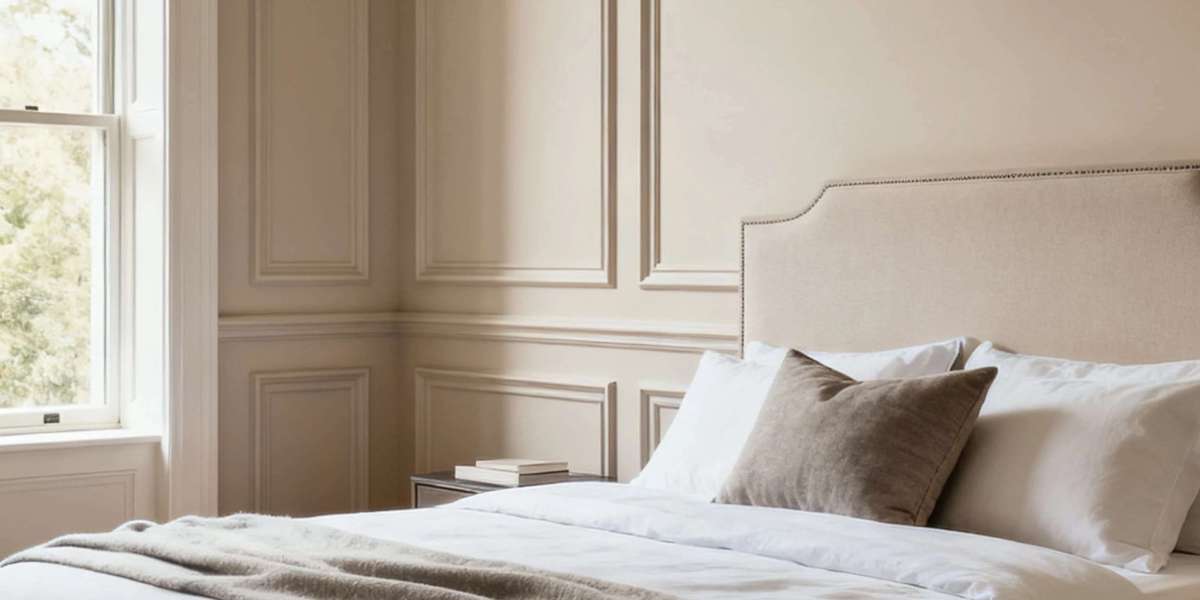

Walk into a truly contemporary space, and you will notice something unexpected. The walls have texture, depth, and movement in a way that flat paint or simple wallpaper simply cannot achieve. That effect often comes from 3D fluted sound absorbing panels, a design innovation that pulls double duty in the most elegant way. These panels feature vertical ridges, known as flutes, that create a dramatic play of light and shadow across the surface. Every time you move past the wall, the highlights shift and the shadows deepen, making the room feel alive. But beneath that sculptural beauty lies a practical core. The fluted shape naturally traps sound waves, breaking them up and absorbing them before they can bounce around your space. For modern interiors that value both clean aesthetics and livable comfort, these panels are a revelation.
What Fluted Panels Bring to Contemporary Design
The word fluted might remind you of ancient Greek columns, and that is not an accident. Fluting has been used in architecture for thousands of years to add visual rhythm and elegance to vertical surfaces. Modern 3D fluted panels take that ancient concept and update it for twenty first century interiors. The ridges can be deep or shallow, wide or narrow, rounded or sharp, depending on the manufacturer and the look you want. When light hits these ridges, it creates a gradient effect. The tops of the ridges catch the light brightly, while the valleys between them remain in shadow. This contrast gives the wall a dimensional, almost holographic quality that changes throughout the day. Unlike flat panels that look the same from every angle, fluted panels reveal new details as you move through the room. That kinetic quality feels distinctly modern, sophisticated, and endlessly interesting.
The Science of Fluted Sound Absorption
Fluted panels absorb sound differently than flat acoustic panels, and that difference matters. Traditional flat panels rely entirely on their porous material, usually felt or fiberglass, to trap sound waves. Fluted panels add a second layer of acoustic treatment. The ridges themselves act as physical obstacles. When a sound wave hits the panel, it does not simply strike a flat surface. It bounces between the ridges, losing energy with each reflection before finally entering the porous material. This shape based absorption is particularly effective for mid and high frequency sounds, which include human speech, television dialogue, and the clatter of dishes. The flutes essentially break up sound waves the way river rocks break up flowing water, scattering the energy rather than letting it travel in a straight line. The result is a panel that performs better than a flat panel of the same thickness and material.
Materials and Finishes for Every Aesthetic
3D fluted sound absorbing panels come in a surprising range of materials, each with its own personality. Polyester felt panels are the most common choice for residential interiors. They are lightweight, easy to cut, and made from recycled plastic bottles, which appeals to eco conscious homeowners. The felt has a soft, textile feel that adds warmth to modern spaces. PET felt panels come in dozens of colors, from muted neutrals to bold jewel tones. Wood fiber panels offer a more organic look. These are made from compressed wood fibers mixed with binders, then molded into fluted shapes. They have the visual warmth of natural wood but with better acoustic properties than solid timber. For luxury applications, real wood veneer over an acoustic core provides the beauty of oak or walnut with the sound absorption of felt. Some panels even incorporate LED lighting within the flutes, creating a glowing, futuristic effect that transforms an accent wall into a light sculpture.
Where Fluted Panels Make the Biggest Statement
Given their visual drama, fluted panels work best as intentional focal points rather than whole room covering. The wall behind a television or media console is a perfect candidate. The vertical lines draw the eye upward, making the room feel taller, while the acoustic absorption cleans up dialogue and soundtrack clarity. Behind a bed, fluted panels create a stunning headboard alternative that adds texture and sophistication to a primary bedroom. In a home office, a single wall of fluted panels behind your desk makes video calls look professional while reducing the echo of your own voice. Restaurant and hospitality designers love fluted panels for booth seating areas, where they absorb the clatter and chatter that makes dining uncomfortable. Even a small entryway or powder room benefits from a single panel. The texture gives guests something interesting to look at in a space that is often forgotten.
Installation and Mounting Options
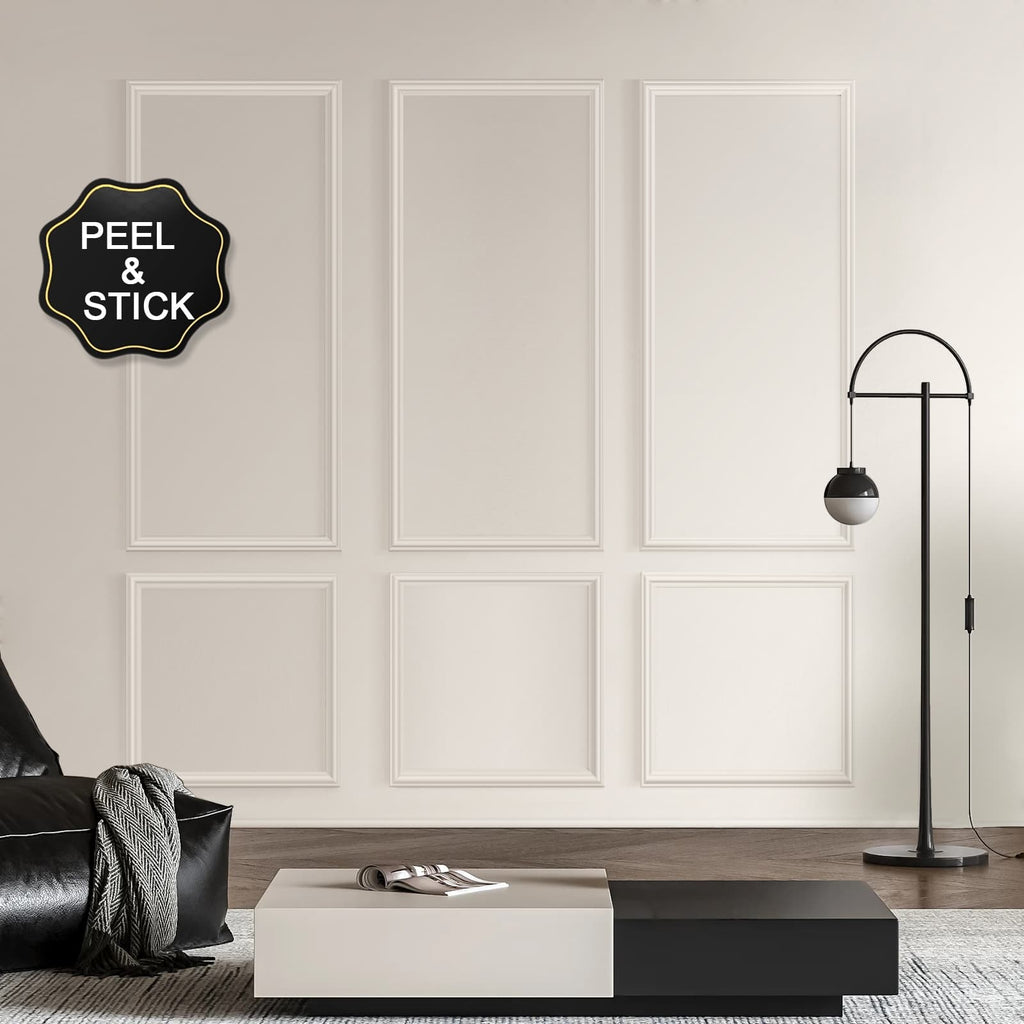
Installing 3D fluted panels is more forgiving than you might expect, thanks to their modular nature. Most panels come in standard sizes, typically twenty four inches square or forty eight inches by twenty four inches. The flutes run vertically, so you want to install them with the flutes pointing up and down. You can mount them using construction adhesive applied to the back of each panel, which works well on smooth, clean drywall. For heavier panels or for extra security, use a combination of adhesive and a few finishing nails driven into wall studs. The flutes hide nail heads beautifully. For a truly seamless look, you can order custom sized panels that fit your wall exactly, eliminating visible seams. If you are a renter or want to avoid damaging your walls, some manufacturers offer removable mounting systems using heavy duty Velcro strips or magnetic attachments. The key is ensuring each panel sits flush against its neighbor so the flutes line up continuously across the wall.
Maintaining and Styling Fluted Acoustic Panels
Keeping fluted panels looking their best requires a slightly different approach than flat walls. Dust naturally settles in the valleys between the ridges, so regular maintenance prevents buildup. Use a soft brush attachment on your vacuum cleaner, running it gently along the direction of the flutes. For felt panels, a lint roller works wonders for picking up dust and pet hair. Avoid using liquid cleaners on felt or fiber panels, as moisture can stain or distort the material. For wood or wood veneer panels, a microfiber cloth lightly dampened with water works well, followed immediately by a dry cloth. When styling the room around your fluted panels, let the texture be the star. Keep artwork minimal. A single large canvas or mirror hung on the fluted surface adds interest without competing. For lighting, position a picture light or adjustable sconce to shine across the panel from the side rather than straight on. Side lighting emphasizes the ridges and valleys, creating those dramatic shadows that make fluted panels so captivating. Stand back and watch how the wall changes as you move, and appreciate that you have found a product that genuinely delivers both beauty and brains.