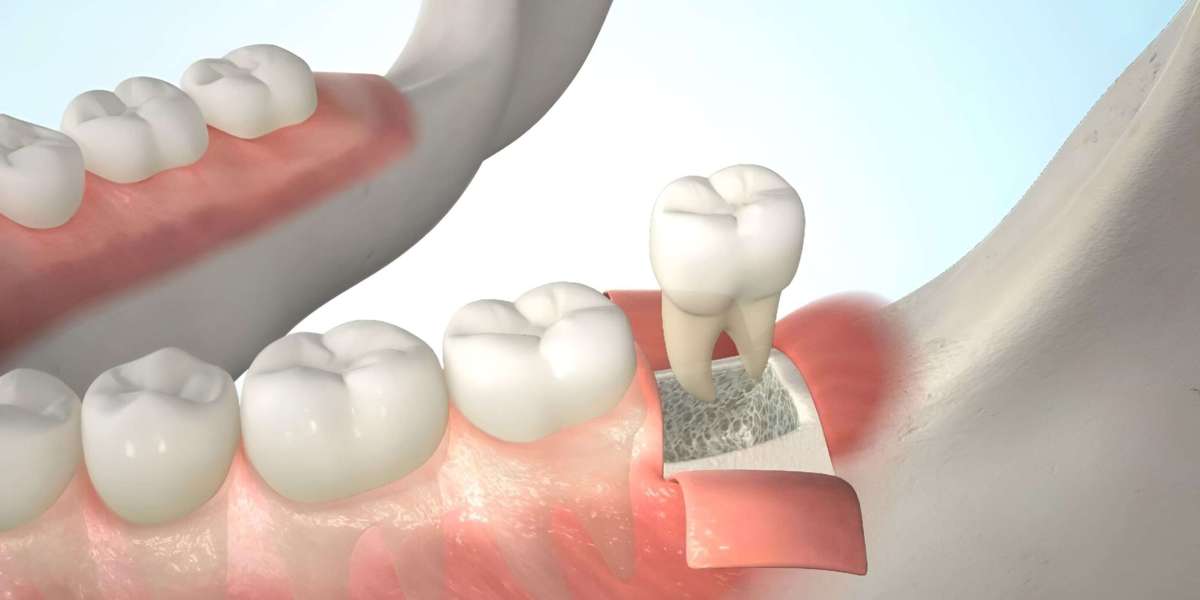

Tooth removal is only half the journey—the real success of the procedure depends on how well you care for your mouth afterward. Proper aftercare not only reduces pain and swelling but also prevents complications like infection or dry socket. Many patients underestimate the importance of post-extraction care, which can lead to delayed healing and unnecessary discomfort.
The First 24 Hours: Setting the Foundation for Healing
The initial 24 hours after Tooth Removal in Dubai are the most critical. During this period, your body begins forming a blood clot at the extraction site, which acts as a protective layer over the underlying bone and nerves.
You will be asked to bite down on a gauze pad immediately after the procedure. This helps control bleeding and supports clot formation. It’s important to keep the gauze in place for the recommended time and replace it if necessary.
Rest is essential during this phase. Avoid physical activities, as increased blood flow can trigger bleeding. Keeping your head slightly elevated while lying down can also help minimize swelling and discomfort.
Refrain from touching the extraction site with your tongue or fingers. Even minor disturbances can interfere with the healing process.
Understanding the Role of the Blood Clot:
One of the most important aspects of tooth extraction recovery is protecting the blood clot. This clot is not just part of the healing process—it is essential for preventing a painful condition known as dry socket.
If the clot becomes dislodged, the underlying bone and nerves are exposed, leading to intense pain and delayed healing. Activities such as using a straw, spitting forcefully, or smoking can increase the risk of losing the clot.
Being mindful of these risks and following your dentist’s instructions carefully will help ensure that healing progresses without complications.
Managing Pain and Swelling Effectively:
Some level of discomfort is normal after tooth removal, but it can be managed effectively with the right approach. Pain typically peaks within the first 48 hours and gradually decreases afterward.
Over-the-counter pain relievers or prescribed medications can help control discomfort. Always follow dosage instructions provided by your dentist. Applying an ice pack to the outside of your cheek in short intervals can reduce swelling and provide relief.
Avoid placing heat on the area during the initial phase, as it can increase inflammation. Instead, focus on cold therapy and rest to keep symptoms under control.
Eating Smart: Foods That Support Healing
Your diet plays a significant role in how quickly your mouth recovers after tooth extraction. Choosing the right foods can prevent irritation and provide essential nutrients for healing.
Soft foods are your best option during the first few days. Items like yogurt, mashed potatoes, smoothies, scrambled eggs, and soups are easy to consume and gentle on the extraction site. These foods minimize chewing and reduce the risk of disturbing the clot.
Hydration is equally important, but avoid hot beverages immediately after the procedure. As healing progresses, you can gradually reintroduce solid foods.
Hard, crunchy, or sticky foods should be avoided, as they can damage the extraction site or become lodged in the socket. Spicy and acidic foods may also cause irritation and should be limited.
Oral Hygiene After Tooth Removal: Striking the Right Balance
Maintaining oral hygiene after tooth removal is crucial, but it must be done carefully. Neglecting cleanliness can lead to infection, while aggressive cleaning can disrupt healing.
You can brush your teeth as usual, but avoid the extraction area during the first 24 hours. After this period, gentle rinsing with warm salt water can help keep the area clean and reduce bacteria.
Avoid using mouthwash containing alcohol, as it may irritate the wound. Gentle care ensures that your mouth stays clean without interfering with the healing process.
What to Avoid for Faster Recovery?
Knowing what not to do is just as important as knowing what to do. Certain habits can significantly delay healing and increase the risk of complications.
Smoking is one of the biggest risk factors after tooth extraction. It can interfere with blood flow and increase the chances of dry socket. Alcohol consumption should also be avoided, as it can affect healing and interact with medications.
Using straws, spitting forcefully, or rinsing vigorously can dislodge the blood clot. Physical activities that involve bending or heavy lifting should be limited for the first few days.
By avoiding these common mistakes, you can support a smoother and faster recovery process.
Recognizing Signs of Complications Early:
While most tooth extractions heal without issues, it’s important to recognize warning signs of complications. Early detection can prevent more serious problems.
Severe or worsening pain after a few days may indicate dry socket. Persistent swelling, fever, or pus discharge could be signs of infection. Excessive bleeding that doesn’t stop with pressure should also be addressed immediately.
If you notice any unusual symptoms, contact your dentist promptly. Timely intervention can prevent further complications and ensure proper healing.
Healing Timeline: What to Expect Day by Day
Understanding the healing timeline can help you stay informed and reassured throughout the recovery process. During the first day, the focus is on clot formation and controlling bleeding.
By the second and third days, swelling and discomfort may peak but should gradually improve. By the end of the first week, the gum tissue begins to heal, and most symptoms subside.
Complete healing of the extraction site, including bone regeneration, can take several weeks. Following proper aftercare practices throughout this period is essential for optimal results.
Supporting Long-Term Oral Health After Extraction:
Tooth removal is often part of a broader dental care plan. Once healing is complete, it’s important to consider how to maintain your oral health moving forward.
Replacing a missing tooth with options like dental implants, bridges, or dentures can help restore function and prevent shifting of surrounding teeth. Maintaining a consistent oral hygiene routine, including brushing and flossing, is essential for preventing future dental issues.
Regular dental checkups allow for early detection of problems and ensure that your mouth remains healthy in the long run.
Practical Recovery Checklist for Patients:
To simplify your aftercare routine, it helps to keep a mental checklist. Rest during the first 24 hours, protect the blood clot, eat soft foods, stay hydrated, and maintain gentle oral hygiene.
Avoid harmful habits such as smoking, using straws, and consuming hard or spicy foods. Monitor your symptoms and seek professional advice if anything seems unusual.
Following these simple yet effective steps can make a significant difference in your recovery experience.
Final Thoughts on Tooth Removal Aftercare:
Tooth Removal aftercare is a crucial part of the healing process that should never be overlooked. By taking the right steps immediately after the procedure and maintaining good habits throughout recovery, you can minimize discomfort and avoid complications.
Healing doesn’t have to be difficult or stressful. With proper care, most patients recover quickly and return to their normal routines within a few days. Paying attention to your body, following professional advice, and staying consistent with aftercare practices will ensure a smooth and successful recovery.