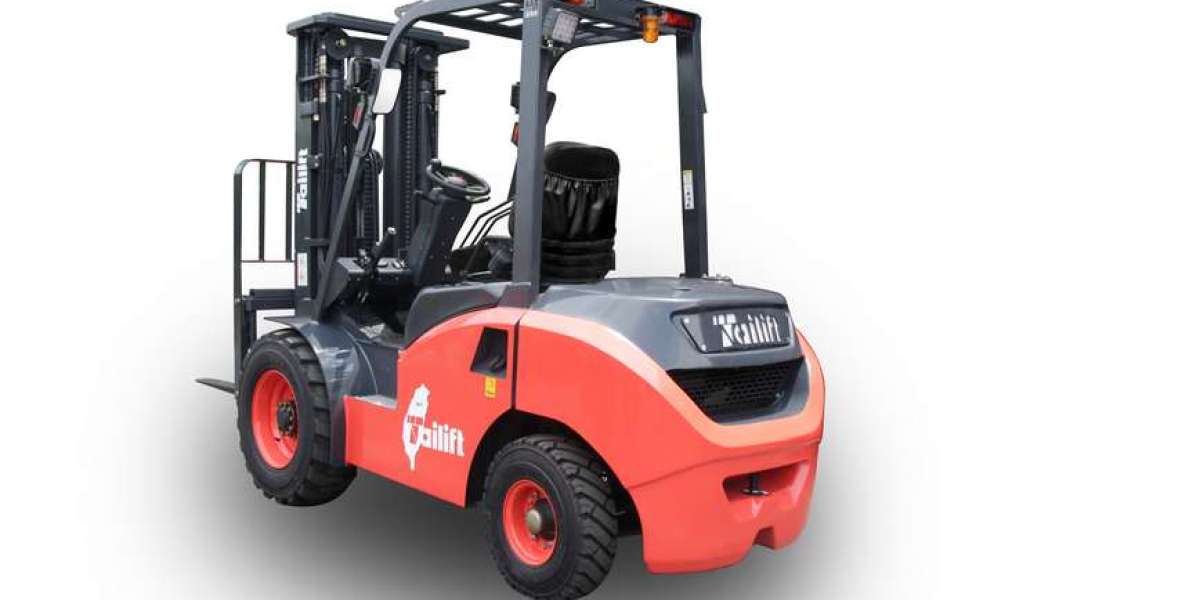

Warehouse operations rely heavily on efficient material handling systems, and forklifts play a central role in ensuring smooth workflow. Understanding the different types of forklifts available is essential for businesses aiming to optimize productivity and maintain safety standards. Each type is designed for specific tasks, environments, and load requirements, making it important to select the right equipment.
Choosing from the various types of forklifts requires a clear understanding of warehouse layouts, storage systems, and operational demands. From compact machines for narrow aisles to heavy duty equipment for bulk handling, forklifts offer diverse solutions. This article provides a comprehensive overview of the most common types of forklifts used in warehouse operations and their key features.
Understanding the Importance of Forklift Types
Role in Warehouse Efficiency
The different types of forklifts directly impact the efficiency of warehouse operations. Each forklift is designed to perform specific tasks such as lifting, stacking, or transporting goods. Selecting the right type ensures that these tasks are completed quickly and accurately.
Efficient forklifts reduce the time required for material handling and improve overall productivity. They also help in minimizing manual labor, which reduces fatigue and increases safety. Proper equipment selection ensures smoother workflow and better utilization of space.
Understanding the role of forklift types helps businesses align their equipment with operational needs. It ensures optimal performance and long term success.
Matching Equipment to Tasks
Not all forklifts are suitable for every task, which makes it important to match the equipment to specific requirements. For example, some forklifts are designed for high stacking, while others are better suited for horizontal transport. Choosing the wrong type can lead to inefficiencies.
Warehouse managers must evaluate the nature of their operations before selecting a forklift. Factors such as load size, weight, and frequency of movement should be considered. This ensures that the forklift performs effectively.
Matching the right equipment to tasks improves productivity and reduces operational costs. It also enhances safety by ensuring proper handling of materials.
Counterbalance Forklifts
Features and Functionality
Counterbalance forklifts are among the most common types of forklifts used in warehouses. They feature a weight at the rear that counterbalances the load at the front. This design allows them to lift and transport materials without additional support structures.
These forklifts are easy to operate and versatile, making them suitable for a wide range of applications. They can be used both indoors and outdoors depending on the power source. Their straightforward design makes them a popular choice.
Counterbalance forklifts are ideal for general warehouse tasks. They provide reliable performance and are widely available.
Applications in Warehouses
In warehouse environments, counterbalance forklifts are used for loading and unloading goods, as well as transporting materials. They are suitable for operations with ample space for maneuvering. Their ability to handle various load sizes makes them versatile.
These forklifts are commonly used in distribution centers and storage facilities. They can handle pallets, containers, and other standard loads efficiently. Their adaptability makes them a valuable asset.
Using counterbalance forklifts improves workflow and ensures efficient material handling. They are a fundamental part of many warehouse operations.
Reach Trucks
Designed for High Stacking
Reach trucks are specialized types of forklifts designed for high stacking in narrow aisles. They feature extended forks that can reach deep into storage racks. This allows for efficient use of vertical space in warehouses.
These forklifts are equipped with advanced controls that enable precise movement. Operators can position loads accurately at high elevations. This improves storage capacity and organization.
Reach trucks are ideal for warehouses with high shelving systems. They maximize space utilization and enhance efficiency.
Benefits for Narrow Aisles
One of the key advantages of reach trucks is their ability to operate in narrow aisles. Their compact design allows them to maneuver easily in confined spaces. This is essential for warehouses with limited floor space.
By using reach trucks, businesses can increase storage density without expanding the facility. This leads to cost savings and improved efficiency. Their precision also reduces the risk of damage to goods.
Reach trucks are a valuable solution for modern warehouse operations. They support efficient and organized storage systems.
Pallet Jacks
Simple and Efficient Handling
Pallet jacks are among the simplest types of forklifts used in warehouses. They are designed for moving pallets over short distances. These machines are easy to operate and require minimal training.
There are both manual and electric versions available. Manual pallet jacks are cost effective, while electric models offer greater efficiency. They are commonly used for quick and frequent movements.
Pallet jacks are ideal for basic material handling tasks. They provide a practical solution for small scale operations.
Ideal Use Cases
In warehouse operations, pallet jacks are used for loading and unloading goods, as well as transporting materials within the facility. They are particularly useful in areas where larger forklifts cannot operate.
These machines are commonly used in retail storage areas and small warehouses. Their compact size allows them to navigate tight spaces easily. They are also useful for quick tasks.
Using pallet jacks improves efficiency in simple operations. They are an essential tool for many businesses.
Order Picker Forklifts
Precision Picking Operations
Order picker forklifts are specialized types of forklifts designed for picking individual items from shelves. Unlike other forklifts, the operator is lifted along with the platform. This allows for direct access to stored goods.
These forklifts are equipped with safety features to ensure secure operation at height. They enable accurate picking, which is essential for order fulfillment. This improves efficiency and reduces errors.
Order picker forklifts are ideal for warehouses with high volume picking operations. They support precise and efficient workflows.
Enhancing Productivity
By allowing operators to access items directly, order picker forklifts reduce the need for manual handling. This speeds up the picking process and improves productivity. They are particularly useful in e commerce and distribution centers.
These forklifts also improve accuracy in order fulfillment. This leads to better customer satisfaction and reduced returns. Their efficiency makes them a valuable asset.
Using order picker forklifts enhances overall warehouse performance. They streamline operations and improve output.
Rough Terrain Forklifts
Built for Challenging Conditions
Rough terrain forklifts are designed to operate on uneven and outdoor surfaces. They feature large tires and powerful engines that allow them to handle challenging conditions. These forklifts are commonly used in construction and outdoor storage areas.
Although not primarily used in traditional warehouses, they are useful for facilities with outdoor operations. Their durability makes them suitable for heavy duty tasks. They can handle large and bulky loads with ease.
Rough terrain forklifts provide reliable performance in demanding environments. They are essential for certain types of operations.
Limited Indoor Use
Due to their size and design, rough terrain forklifts are not ideal for indoor warehouse use. They require more space for maneuvering and may produce emissions if fuel powered. This limits their application in enclosed environments.
However, they can be used in warehouses with outdoor storage areas. Their strength and stability make them suitable for heavy lifting tasks. Proper planning ensures their effective use.
Understanding their limitations helps in selecting the right equipment. It ensures safe and efficient operations.
Electric Forklifts
Clean and Quiet Operation
Electric forklifts are popular types of forklifts used in warehouses due to their clean and quiet operation. They are powered by batteries, which eliminates emissions. This makes them suitable for indoor use.
These forklifts require less maintenance compared to fuel powered models. Their smooth operation improves operator comfort. They are also energy efficient, which reduces operating costs.
Electric forklifts are ideal for warehouses that prioritize sustainability. They provide a reliable and eco friendly solution.
Suitable Applications
Electric forklifts are commonly used in food storage, retail warehouses, and distribution centers. Their quiet operation makes them suitable for environments where noise levels must be controlled. They are also effective in confined spaces.
These forklifts can handle a variety of loads and tasks. Their versatility makes them a popular choice for many businesses. They are suitable for both light and medium duty operations.
Using electric forklifts improves efficiency and reduces environmental impact. They are a key component of modern warehouse systems.
Conclusion
Understanding the different types of forklifts is essential for optimizing warehouse operations. Each type offers unique features and benefits that cater to specific tasks and environments. From counterbalance forklifts to reach trucks and order pickers, selecting the right equipment ensures efficiency and safety.
By evaluating operational needs and matching them with the appropriate forklift type, businesses can improve productivity and reduce costs. Investing in the right equipment leads to better performance and long term success. For expert advice and reliable material handling solutions, businesses can trust Tailift Material Handling USA Inc.