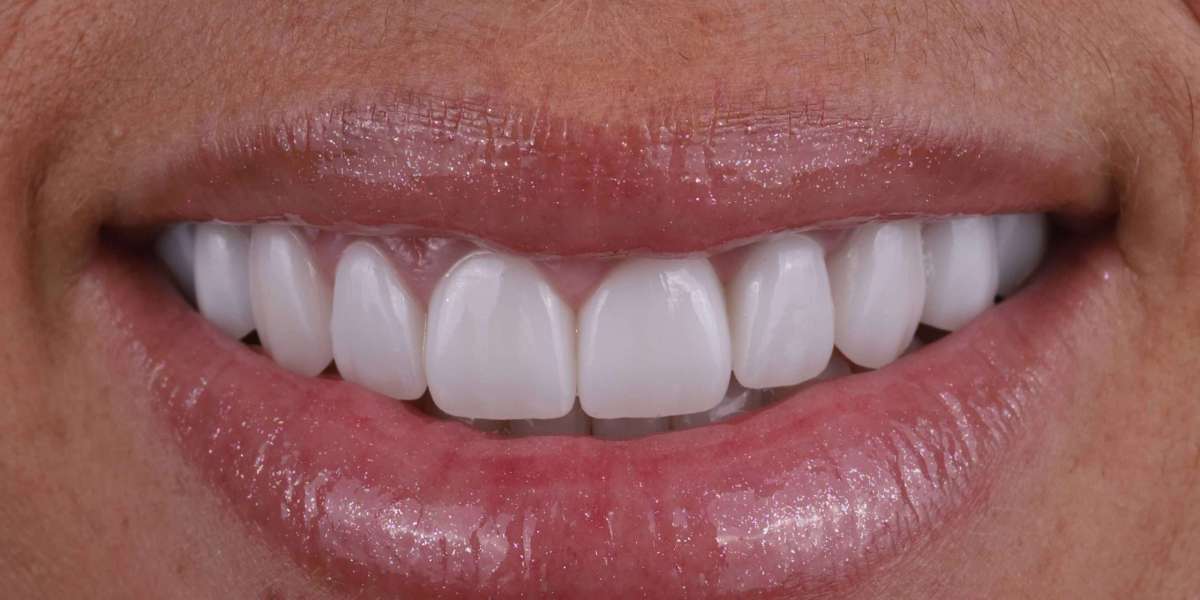

When dental problems affect multiple teeth, gums, and bite alignment, a simple filling or crown is no longer enough. This is where Full Mouth Rehabilitation in Dubai becomes a transformative solution. It is a comprehensive dental restoration process designed to rebuild your entire oral system—functionally and aesthetically.
Understanding the step-by-step treatment process can help you feel more confident, prepared, and informed before starting your journey toward a healthier smile. This guide breaks down each phase in a clear, structured way while covering essential aspects like restorative dentistry, bite correction, dental implants, and long-term oral health care.
Why a Step-by-Step Approach Matters in Full Mouth Rehabilitation?
Full mouth rehabilitation is not a one-day procedure. It involves multiple stages that must be carefully sequenced to ensure long-lasting results. Each step builds upon the previous one, addressing underlying issues before moving on to advanced restorative or cosmetic treatments.
This structured approach ensures proper healing, improved bite function, and optimal placement of dental restorations such as crowns, bridges, and implants. It also minimizes complications and enhances the durability of the final outcome.
Step 1: Comprehensive Dental Evaluation and Diagnosis
The process begins with an in-depth dental examination. This is one of the most critical stages because it lays the foundation for the entire treatment plan.
During this phase, your dentist performs digital X-rays, 3D scans, and a detailed oral assessment. They evaluate tooth decay, gum health, bone density, bite alignment, and jaw joint function. Conditions like temporomandibular joint disorders, periodontal disease, and tooth wear are carefully analyzed.
Your dentist may also assess facial symmetry and smile aesthetics to ensure the final results complement your overall appearance. This stage often includes impressions or digital models of your teeth for precise planning.
Step 2: Personalized Treatment Planning and Smile Design
Once the diagnosis is complete, a customized treatment plan is created. This plan outlines every procedure required for your full mouth reconstruction, along with the sequence and timeline.
At this stage, smile design plays a crucial role. Dentists consider factors such as tooth shape, size, color, and alignment to create a natural-looking smile. Advanced software may be used to simulate the final results, giving you a preview of your transformed smile.
The treatment plan may involve a combination of dental implants, crowns, veneers, orthodontics, and gum therapy. Each element is carefully coordinated to ensure both functional and cosmetic success.
Step 3: Stabilizing Oral Health and Treating Existing Issues
Before moving on to restorative procedures, it’s essential to address any underlying oral health problems. This step focuses on creating a stable and healthy foundation.
Common treatments in this phase include deep cleaning for gum disease, root canal therapy for infected teeth, and removal of severely damaged or non-restorable teeth. Treating periodontal disease is especially important, as healthy gums are necessary to support dental restorations.
If there is significant bone loss, bone grafting procedures may be performed to prepare for dental implants. This phase ensures that your mouth is ready for the next stages of rehabilitation.
Step 4: Rebuilding Structure with Restorative Procedures
Once your oral health is stabilized, the focus shifts to restoring the structure of your teeth. This step involves repairing damaged teeth and replacing missing ones.
Dental crowns are used to strengthen weakened teeth, while bridges fill gaps caused by missing teeth. For a more permanent solution, dental implants are placed into the jawbone to act as artificial tooth roots. These implants provide a stable base for crowns or dentures.
This stage may also include temporary restorations to maintain function and aesthetics while permanent solutions are being prepared. Proper spacing and alignment are carefully maintained to ensure a balanced bite.
Step 5: Correcting Bite Alignment and Occlusion
A crucial part of full mouth rehabilitation is ensuring that your bite, also known as occlusion, is properly aligned. Misaligned teeth can lead to uneven pressure, jaw pain, and excessive wear on dental restorations.
Orthodontic treatments such as clear aligners or braces may be used to reposition teeth. In some cases, adjustments to the shape and height of crowns are made to achieve optimal bite alignment.
This step is essential for long-term success, as a balanced bite prevents future complications and ensures comfortable chewing and speaking.
Step 6: Enhancing Aesthetics with Cosmetic Dentistry
After functional restoration is complete, attention turns to the visual aspect of your smile. This phase focuses on refining the appearance of your teeth for a natural and attractive look.
Procedures such as veneers, teeth whitening, and contouring may be performed to improve color, shape, and symmetry. These cosmetic enhancements are carefully integrated with restorative treatments to create a harmonious result.
The goal is to achieve a smile that not only functions well but also boosts your confidence and complements your facial features.
Step 7: Final Placement of Permanent Restorations
Once all adjustments are made and healing is complete, permanent restorations are placed. These include final crowns, bridges, or implant-supported prosthetics.
High-quality materials are used to ensure durability and a natural appearance. Your dentist will check the fit, alignment, and comfort of each restoration to ensure optimal results.
This step marks the completion of your full mouth rehabilitation journey, but ongoing care is essential to maintain your new smile.
Step 8: Post-Treatment Care and Maintenance
The success of full mouth rehabilitation depends heavily on proper aftercare. Maintaining good oral hygiene and attending regular dental check-ups are crucial for preserving your results.
Your dentist may recommend using a night guard if you have a history of teeth grinding. Professional cleanings and routine examinations help detect any issues early and keep your restorations in excellent condition.
Lifestyle habits such as avoiding hard foods, quitting smoking, and maintaining a balanced diet also contribute to long-term oral health.
Timeline of Full Mouth Rehabilitation: What to Expect
The duration of Full Mouth Rehabilitation varies depending on the complexity of your case. Some patients may complete the process in a few months, while others may require a year or more.
Factors that influence the timeline include the number of procedures, healing time for dental implants, and the need for orthodontic treatment. While the process may seem lengthy, each step is essential for achieving lasting results.
Benefits of Following a Structured Treatment Process:
A step-by-step approach offers several advantages. It ensures that each issue is addressed in the correct order, reducing the risk of complications. It also allows for proper healing and adaptation between stages.
Patients benefit from improved oral function, enhanced aesthetics, and long-term durability of dental restorations. Additionally, this method provides a more predictable and comfortable treatment experience.
Common Questions About the Treatment Process:
Many patients wonder if the procedure is painful. Modern dental techniques, including sedation dentistry, make the process comfortable and stress-free.
Another common concern is the complexity of treatment. While full mouth rehabilitation involves multiple steps, a well-planned approach ensures a smooth and manageable journey.
Patients also ask about the longevity of results. With proper care, dental implants and restorations can last for many years, making this treatment a worthwhile investment.
Final Thoughts on the Step-by-Step Rehabilitation Process:
Full mouth rehabilitation is a carefully structured journey that transforms both your oral health and your smile. By following a step-by-step treatment process, dentists can address complex dental issues with precision and efficiency.
From initial diagnosis to final restoration, each phase plays a vital role in achieving a balanced, functional, and aesthetically pleasing result. Whether you’re dealing with missing teeth, severe tooth wear, or bite problems, this comprehensive approach offers a reliable path to long-term dental health.
Taking the first step toward consultation can set you on the path to a complete smile transformation—one that restores not just your teeth, but your confidence and quality of life.