
Stretch marks are one of the most common skin concerns, affecting people of all ages and backgrounds. These marks, medically known as striae, occur when the skin stretches rapidly due to factors like pregnancy, weight fluctuations, or hormonal changes. While various treatments exist, laser therapy has emerged as one of the most effective solutions for improving skin texture and reducing the visibility of stretch marks. Understanding which stretch mark types respond best to this treatment can help individuals make informed decisions. For those seeking professional guidance, Laser Stretch Marks Treatment in Dubai has become a go-to option due to advanced technology and proven results.
Understanding Stretch Mark Types
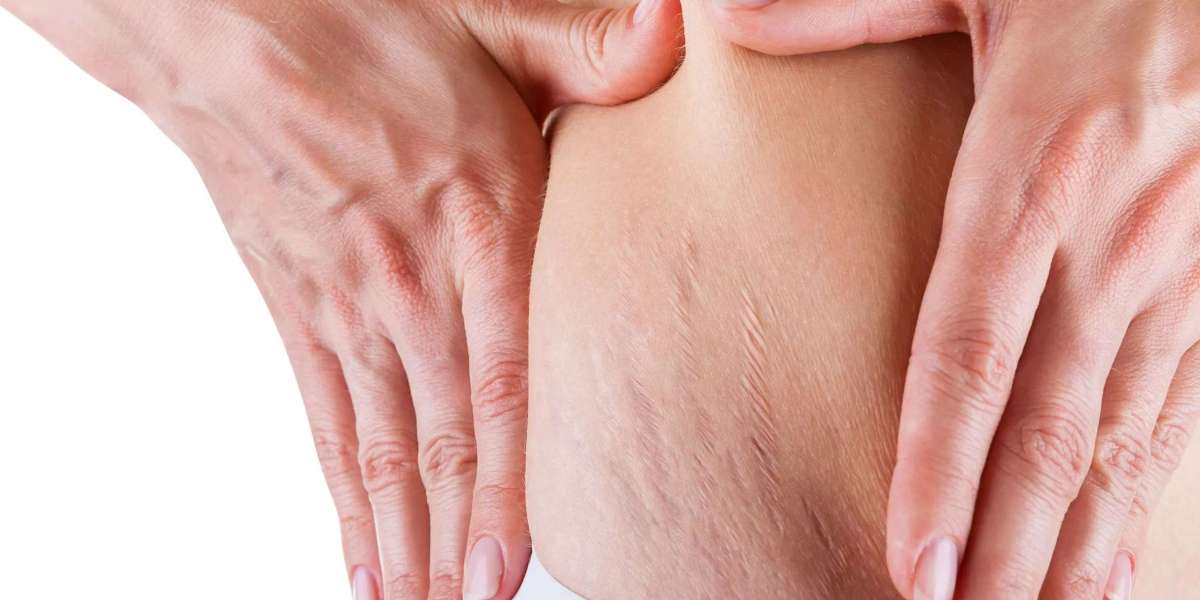
Before exploring laser treatment, it is important to understand that stretch marks evolve over time and can be categorized into two main types: striae rubra and striae alba. Striae rubra are newly formed marks that appear red, pink, or purple due to underlying blood vessels. These are more prominent in the early stages and are often slightly raised. On the other hand, striae alba are older, mature stretch marks that appear white or silvery. These marks have a thinner texture and a more atrophic appearance because the underlying blood vessels have receded and collagen is reduced.
Why Stretch Mark Type Matters for Laser Therapy
The effectiveness of laser therapy largely depends on the type of stretch mark. Newer, red stretch marks (striae rubra) respond better to laser treatments because the procedure targets the blood vessels and stimulates collagen production. Lasers such as pulsed dye lasers are particularly effective in treating these early-stage marks, helping to fade redness and improve overall skin tone. The higher vascular activity in striae rubra allows the laser to work more efficiently, leading to quicker and more noticeable results.
In contrast, older, white stretch marks (striae alba) present a greater challenge. These marks have less vascularity, and the collagen and elastin fibers are more degraded. While laser therapy can still offer improvement, the results may be less dramatic, requiring multiple sessions and a combination of treatment types, including fractional CO2 lasers or microneedling-assisted laser therapy, to achieve optimal results.
Laser Mechanisms for Stretch Mark Reduction
Laser therapy works by delivering focused light energy to the affected skin layers. This energy penetrates the dermis, stimulating collagen and elastin production, which are essential for skin elasticity and repair. For striae rubra, vascular-specific lasers target the red pigments and reduce redness while triggering skin remodeling. For striae alba, fractional lasers create micro-injuries that encourage the skin to regenerate, gradually improving texture and color over time.
Additionally, laser therapy can improve the overall appearance of stretch marks by evening out skin tone and reducing thickness. The treatment is non-invasive, requires minimal downtime, and can be customized according to the stretch mark type, location, and severity, making it a versatile option for both new and old marks.
Factors Influencing Treatment Success
Several factors determine how effectively stretch marks respond to laser therapy. Skin type plays a significant role, as individuals with lighter skin tones may see faster results with fewer sessions. Age of the stretch marks is another critical factor, as newer marks respond more quickly. The location of the marks also matters; areas with thinner skin, such as the abdomen, may show more noticeable improvements than thicker, less vascularized areas like the thighs or buttocks.
Consistency in treatment sessions and following post-treatment care guidelines, such as avoiding sun exposure and using recommended moisturizers, can also enhance results. Combining laser therapy with other treatments like topical retinoids or platelet-rich plasma (PRP) can further boost outcomes, especially for stubborn, older marks.
Advantages of Choosing Professional Laser Therapy
Opting for professional laser therapy ensures the use of advanced equipment and customized treatment plans. Clinics offering Laser Stretch Marks Treatment in Dubai employ skilled practitioners who can assess the type, age, and severity of stretch marks and recommend the most suitable laser protocol. This targeted approach maximizes effectiveness while minimizing side effects, allowing patients to achieve smoother, healthier-looking skin safely.
Long-Term Benefits and Expectations
While laser therapy is highly effective, it’s important to manage expectations. Newer stretch marks may show significant fading after a few sessions, while older marks require ongoing treatment and patience. Over time, most patients notice improved skin texture, reduced discoloration, and enhanced elasticity. With proper maintenance and skincare, these benefits can be long-lasting, making laser therapy a valuable investment for those seeking to regain confidence in their skin.
Conclusion
Laser therapy has revolutionized the approach to treating stretch marks, offering significant improvement for both new and mature marks. Striae rubra, or red stretch marks, respond particularly well due to their vascular nature, while striae alba may require a more intensive, combined approach. Understanding the type of stretch mark and choosing a professional treatment plan are key to achieving optimal results. For individuals looking to restore skin smoothness and appearance, Laser Stretch Marks Treatment provides advanced solutions backed by technology and expertise, ensuring both safety and effectiveness.