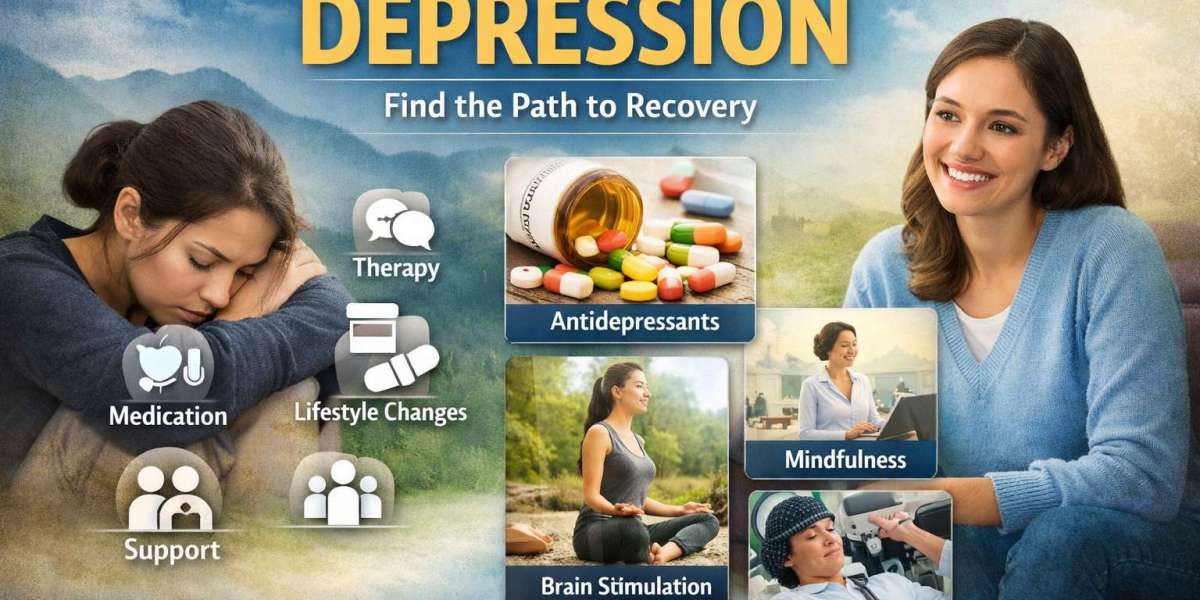

Depression is a serious mental health condition that affects millions of people worldwide. It goes beyond occasional sadness and can interfere with daily life, relationships, and overall well-being. Fortunately, depression is treatable, and a combination of therapies, lifestyle changes, and medical interventions can significantly improve symptoms. Understanding the best treatment for depression is essential for choosing the right path toward recovery.
Understanding Depression
Depression, also known as major depressive disorder, is characterized by persistent feelings of sadness, hopelessness, and a loss of interest in activities once enjoyed. Other symptoms may include fatigue, changes in appetite, sleep disturbances, difficulty concentrating, and thoughts of self-harm or suicide.
The causes of depression are complex and often involve a mix of biological, psychological, and environmental factors. These can include genetics, brain chemistry, trauma, chronic stress, and major life changes.
1. Psychotherapy (Talk Therapy)
One of the most effective treatments for depression is psychotherapy. It involves talking to a trained mental health professional to identify and change negative thought patterns and behaviors.
Cognitive Behavioral Therapy (CBT) is one of the most widely used approaches. It helps individuals recognize distorted thinking and replace it with healthier perspectives. CBT also teaches coping skills to manage stress and emotional challenges.
Interpersonal Therapy (IPT) focuses on improving relationships and communication skills, which can help reduce depressive symptoms linked to social issues.
Psychodynamic Therapy explores past experiences and emotional conflicts that may contribute to current depression.
Psychotherapy can be used alone or in combination with medication, depending on the severity of the condition.
2. Medication
Antidepressant medications are commonly prescribed to treat moderate to severe depression. These medications work by balancing chemicals in the brain, such as serotonin, norepinephrine, and dopamine.
Common types of antidepressants include:
Selective Serotonin Reuptake Inhibitors (SSRIs): Often the first-line treatment due to fewer side effects.
Serotonin-Norepinephrine Reuptake Inhibitors (SNRIs): Effective for both depression and anxiety.
Tricyclic Antidepressants (TCAs): Used in some cases, but may have more side effects.
Monoamine Oxidase Inhibitors (MAOIs): Typically reserved for treatment-resistant depression.
It may take a few weeks for antidepressants to show full effects, and finding the right medication often requires careful monitoring by a healthcare provider.
3. Lifestyle Changes
Incorporating healthy lifestyle habits can play a crucial role in managing depression. While not a standalone treatment for severe cases, these changes can significantly enhance overall well-being.
Regular Exercise: Physical activity releases endorphins, which improve mood and reduce stress.
Balanced Diet: Nutrient-rich foods support brain health and energy levels.
Adequate Sleep: Maintaining a consistent sleep schedule helps regulate mood.
Stress Management: Practices like meditation, yoga, and deep breathing can reduce anxiety and promote relaxation.
Even small lifestyle adjustments can make a meaningful difference over time.
4. Social Support
Isolation can worsen depression, making social support a vital part of recovery. Talking to trusted friends, family members, or support groups can provide emotional comfort and reduce feelings of loneliness.
Support groups, either in-person or online, allow individuals to connect with others facing similar challenges. Sharing experiences and coping strategies can be empowering and reassuring.
5. Mindfulness and Alternative Therapies
Mindfulness-based therapies focus on staying present and accepting thoughts and emotions without judgment. Techniques such as meditation and mindfulness-based cognitive therapy (MBCT) have shown promising results in preventing relapse.
Other complementary approaches include:
Yoga and Meditation
Art and Music Therapy
Acupuncture
Herbal Supplements (with medical guidance)
While these therapies may not replace traditional treatment, they can be valuable additions to a comprehensive plan.
6. Brain Stimulation Therapies
For individuals who do not respond to medication or psychotherapy, brain stimulation therapies may be considered.
Electroconvulsive Therapy (ECT): Highly effective for severe depression, especially when rapid improvement is needed.
Transcranial Magnetic Stimulation (TMS): A non-invasive procedure that uses magnetic fields to stimulate nerve cells in the brain.
Vagus Nerve Stimulation (VNS): Involves implanting a device that stimulates the vagus nerve.
These treatments are usually recommended for treatment-resistant depression and are performed under medical supervision.
7. Self-Care and Daily Routine
Establishing a structured daily routine can help individuals regain a sense of control and stability. Simple actions like setting small goals, maintaining personal hygiene, and engaging in enjoyable activities can gradually improve mood.
Self-care also includes setting boundaries, avoiding overcommitment, and allowing time for rest.
8. Seeking Professional Help
Recognizing when to seek professional help is crucial. If symptoms persist for more than two weeks, worsen over time, or interfere with daily functioning, consulting a mental health professional is essential.
Early intervention can prevent the condition from becoming more severe and improve the chances of recovery. Mental health professionals can provide a proper diagnosis and tailor a treatment plan based on individual needs.
9. Combining Treatments
The best treatment for depression often involves a combination of approaches. For example, a person may benefit from both medication and psychotherapy, along with lifestyle changes and social support.
A personalized treatment plan ensures that all aspects of the condition are addressed, increasing the likelihood of long-term recovery.
10. Breaking the Stigma
Despite growing awareness, stigma around mental health still prevents many people from seeking help. It is important to understand that depression is a medical condition, not a sign of weakness.
Encouraging open conversations, educating others, and promoting mental health awareness can help reduce stigma and create a supportive environment for those in need.
Conclusion
Depression is a challenging but treatable condition. The best treatment varies from person to person, depending on the severity and underlying causes. Psychotherapy, medication, lifestyle changes, and social support all play vital roles in recovery.
Taking the first step toward seeking help can be difficult, but it is also the most important. With the right treatment and support, individuals can overcome depression and lead fulfilling, meaningful lives.