
Let me be honest with you for a second. I spent two years pretending I could hear just fine. My wife would mumble something from the kitchen, and I’d nod like a confused bobblehead. Then came the embarrassing moments at dinner parties, the constant “what?” and the slow retreat from conversations I once loved. That’s when I knew I needed a PTA hearing test. Not because I wanted to feel old, but because I missed the little sounds of my life: my kid’s whisper at bedtime, the sizzle of onions in a pan, the soft hum of rain on the roof.
If you’re reading this, maybe you’re in that same uncomfortable chair. You suspect something’s off with your ears, but you’re scared of what the results might say. Or perhaps you’re just curious about what a PTA hearing test actually involves. Either way, stick with me. I’ll walk you through the entire process, share my personal journey, and explain how Nexgen Hearing Center turned my anxiety into clarity. And yes, we’ll talk about the science, but I promise to keep it painless. No white coats, no judgment, no jargon thrown around just to confuse you.
What Exactly Is a PTA Hearing Test?
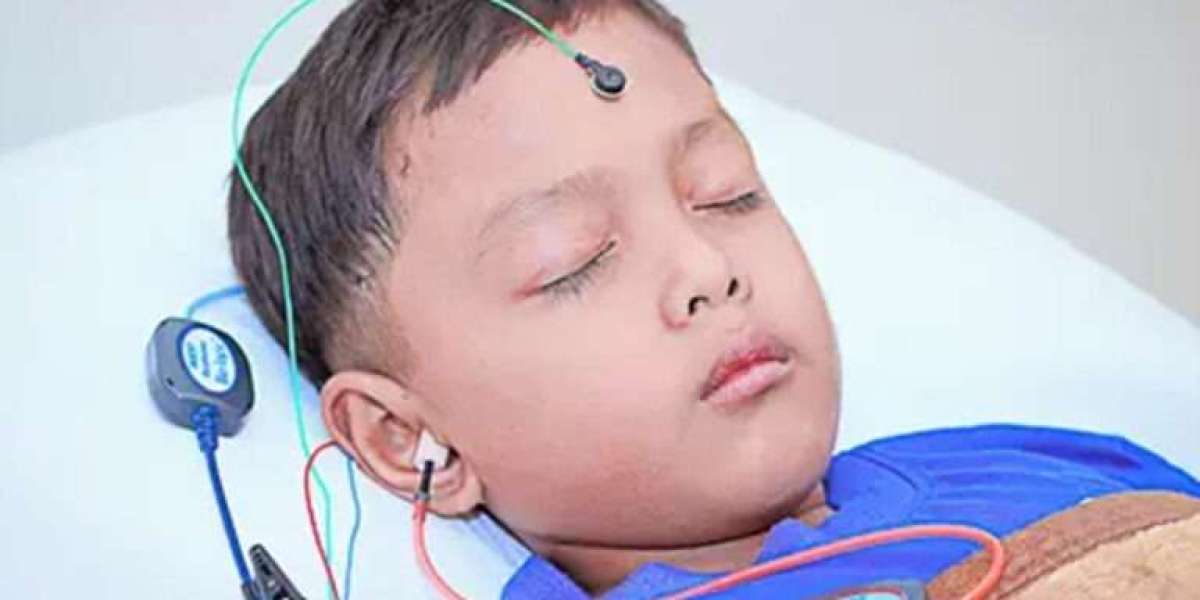
Let’s start with the basics. PTA stands for Pure Tone Audiometry. It sounds fancy, but it’s really just a way to measure the softest sounds you can hear at different pitches. Think of it like an eye chart for your ears. Instead of reading smaller and smaller letters, you listen for beeps that get quieter and quieter. A PTA hearing test doesn’t hurt, it doesn’t bite, and it only takes about 20 minutes.
During the test, you sit in a small, quiet booth. The audiologist places headphones over your ears. Then you hear a series of tones, each at a specific frequency range (usually from 250 Hz up to 8 kHz). Your job is to press a button every time you hear a sound, no matter how faint. It feels a bit like playing a very serious video game. I remember thinking, “Did I imagine that beep?” and pressing anyway. That’s totally normal.
The beauty of a PTA hearing test is that it separates air conduction from bone conduction. Air conduction sends sounds through your ear canal, eardrum, and middle ear bones. Bone conduction bypasses all that and sends vibrations directly to your inner ear. By comparing the two, the audiologist can figure out where the problem lives. Is it a blockage in your ear canal? A stiff middle ear? Or damage to the delicate hair cells in your cochlea? This distinction is what makes pure tone audiometry so powerful.
My First Encounter With a Real Audiogram
I’ll never forget staring at my first audiogram. It looked like a weird line graph from a stock market crash. Circles and crosses danced across the page, some in red, some in blue. My heart sank. But then the audiologist at Nexgen Hearing Center sat next to me and said, “Let me show you what this actually means.” She pointed to the top of the chart. That area represents normal hearing range (0–25 dB HL). My results? A gentle slope downward in the higher frequencies. Not catastrophic, but enough to explain why I kept mishearing my daughter’s words.
An audiogram is simply a picture of your hearing threshold levels. The vertical axis shows decibel (dB) intensity – how loud a sound must be for you to hear it. The horizontal axis shows pitch or frequency. Low pitches (like a bass drum) sit on the left. High pitches (like a bird chirp) sit on the right. When you take a PTA hearing test, the results get plotted as two lines: one for air conduction and one for bone conduction. If those lines sit close together, it suggests sensorineural hearing loss (inner ear or nerve damage). If bone conduction looks normal but air conduction is worse, that points to conductive hearing loss (middle ear issues).
I learned that my pure tone average (PTA) – a number calculated from thresholds at 500, 1000, and 2000 Hz – fell into the mild loss category. That explained so much. I wasn’t going deaf. I just needed a little help. And knowing is always better than guessing.
The Step by Step Procedure of a PTA Hearing Test
You might be nervous about your first appointment. Let me walk you through exactly what happens so there are no surprises.
First, you’ll check in at a place like Nexgen Hearing Center. The receptionist will offer you coffee or water. You’ll fill out a quick form about your medical history – things like loud noise exposure, ear infections, or tinnitus. Then the audiologist calls you back.
You’ll step into a sound treated room called a booth. It’s not scary. Think of it like a cozy phone booth with padded walls. The audiologist will explain the PTA hearing test and show you the response button. You’ll put on headphones (or insert earphones for more accuracy). Some tests also use bone conduction vibrators – a small device that rests against the mastoid bone behind your ear.
The test begins. You’ll hear a series of pure tones, each lasting one to two seconds. Some will be loud and obvious. Others will be whisper soft. The audiologist will use a technique called Hughson Westlake to find your exact threshold. This means the tone gets softer and softer until you stop responding, then slightly louder again to confirm. It’s methodical and precise.
For ear specific testing, the audiologist will test each ear separately. This is crucial because hearing loss can be different on each side. In some cases, they use masking noise – a gentle static sound in the non test ear – to ensure you’re only hearing with the ear being tested. Without masking, sound can cross through your skull (called transcranial transmission) and trick the results. A proper PTA hearing test always accounts for this.
After air conduction, they’ll repeat the process with the bone conduction vibrator. This step bypasses your outer and middle ear, sending vibrations straight to the inner ear. It feels odd at first, like a gentle tickle on the bone, but it’s completely painless.
Understanding Your Results Degree of Hearing Loss
Once the beeping stops, the real learning begins. Your results will show your degree of hearing loss based on the pure tone average. Here’s the breakdown:
Normal hearing: 0 to 25 dB HL
Mild loss: 26 to 40 dB HL
Moderate loss: 41 to 55 dB HL
Moderately severe: 56 to 70 dB HL
Severe loss: 71 to 90 dB HL
Profound loss: 91+ dB HL
During my PTA hearing test, my PTA came out to 32 dB in the right ear and 28 dB in the left. That mild loss meant I struggled with soft speech, especially in noisy places. Restaurants became my worst enemy. I could hear people talking, but the words felt mushy, like listening through a pillow. High pitched sounds like “s,” “th,” and “f” vanished entirely.
If your results show conductive hearing loss, that’s often treatable with medical intervention. Earwax removal, fluid drainage, or surgery for otosclerosis can restore normal hearing. Sensorineural loss, on the other hand, is permanent. But it’s also manageable with hearing aids, assistive devices, or lifestyle changes. A PTA hearing test doesn’t just give you bad news. It gives you a roadmap.
Why I Also Needed Speech Testing (And How It Connects)
A pure tone test tells you about your ability to detect sounds. But detection is not the same as understanding. That’s why many audiologists pair a PTA hearing test with speech audiometry. You’ll hear words at different volumes and repeat them back. This measures how well your brain processes speech.
After my results, I asked the audiologist about speech therapy near me. She smiled and explained that while speech therapy usually helps people who have trouble producing sounds (like children with articulation delays or adults recovering from a stroke), it’s different from what I needed. I didn’t need to learn how to speak. I needed my ears to send clearer signals to my brain. However, for someone with auditory processing disorder or cochlear implants, speech therapy near me can be a game changer. It trains the brain to recognize sounds more efficiently.
If you live in the capital, finding a speech therapist in Islamabad is easier than you think. Many clinics offer combined services. You might first visit an audiologist for a PTA hearing test, then get referred to a speech therapist for rehabilitation. The two fields work hand in hand. Hearing loss affects how you produce and understand speech. Treating one without the other is like buying a new TV but keeping the old broken antenna.
The Role of Calibration Standards and Equipment
Let’s geek out for just a minute. The accuracy of any PTA hearing test depends entirely on the equipment. Audiometers must meet strict calibration standards, such as ANSI S3.6 or ISO 389. Without proper calibration, the decibel levels you hear could be off by 10 dB or more. That’s the difference between a mild loss and a moderate one.
When I visited Nexgen Hearing Center, I noticed they had a current calibration certificate posted on the wall. That small detail gave me confidence. A clinic that takes calibration seriously takes your hearing seriously. The headphones, bone vibrator, and even the room’s ambient noise levels all get tested regularly. You wouldn’t trust a scale that hasn’t been zeroed. Don’t trust a PTA hearing test from uncalibrated gear.
What Happens After the Test Referral to ENT
In some cases, a PTA hearing test reveals something unexpected. Maybe you have a large air bone gap that suggests middle ear fluid, eardrum perforation, or otosclerosis. Or maybe your thresholds have dropped rapidly in just one ear. When that happens, the audiologist will recommend a referral to ENT (ear, nose, and throat doctor). This isn’t a failure. It’s the smart next step.
I met a man in the waiting room who had sudden hearing loss in his left ear. His PTA hearing test showed a 40 dB drop over three days. The audiologist immediately sent him to an ENT. That urgency matters because sudden sensorineural hearing loss needs steroid treatment within 72 hours for the best chance of recovery. Without that referral to ENT, he might have lost that hearing forever.
So don’t be scared if your test leads to another appointment. That’s the system working. The PTA hearing test is your first clue. The ENT is your detective.
Living With My Results and Finding Nexgen Hearing Center
Here’s the part where I get a little emotional. After my PTA hearing test, I felt relief more than sadness. For two years, I blamed myself for not paying attention. I thought I was rude or lazy. But the audiogram proved otherwise. My ears weren’t broken. They were just tired. And once I understood my degree of hearing loss, I could finally stop apologizing.
I chose Nexgen Hearing Center because a friend recommended them. They didn’t push hearing aids on me. They didn’t make me feel old or broken. Instead, they handed me a printed copy of my audiogram and said, “This is just data. Now let’s talk about what you want to hear better.” That small shift changed everything. We discussed options from simple TV headphones to advanced hearing aids. No pressure. No rush.
If you live near Islamabad, I also asked them about a speech therapist in Islamabad for my elderly father. He has both hearing loss and aphasia after a stroke. The team at Nexgen gave me three names within a week. They genuinely care about the whole person, not just the ear canal.
Common Myths About Pure Tone Audiometry
Let me bust a few myths while they’re fresh.
Myth one: A PTA hearing test is painful. False. You might feel a tiny vibration from the bone conductor, but it’s not pain. It’s like resting a buzzing phone against your skull. Totally fine.
Myth two: You only need a hearing test if you’re over 60. Also false. Noise exposure, medications, genetics, and infections affect people of all ages. I’m 42. My nephew is 9 and has unilateral hearing loss from a virus. Age is just one factor.
Myth three: You can fake a test to get hearing aids. Please don’t. The audiometer and trained professional can detect inconsistent responses. More importantly, wearing amplification you don’t need can actually damage your hearing. Be honest. The test is for you, not for a free device.
How to Prepare for Your Own PTA Hearing Test
You don’t need much. Try to avoid loud noises for 12 hours beforehand. Don’t wear earplugs or headphones right before the appointment. If you have excessive earwax, consider having it removed first because wax can block the sound and give false results. Bring a list of any medications you take. Some drugs are ototoxic (harmful to the ear).
Most importantly, bring your questions. Ask about normal hearing range for your age. Ask what your pure tone average means for daily life. Ask about the frequency range you’re missing. The more you understand, the better you can advocate for yourself.
Final Thoughts From Someone Who’s Been in Your Shoes
I’ll leave you with this. The scariest part of my hearing journey wasn’t the PTA hearing test itself. It was the years I spent avoiding it. I convinced myself that everyone mumbles. I turned up the TV so loud that my family watched in another room. I laughed at jokes I didn’t hear. I isolated myself without even realizing it.
Taking that test at Nexgen Hearing Center gave me back my participation in life. I can hear my daughter’s bedtime stories again. I can order coffee without asking the barista to repeat herself three times. I can sit in a restaurant and actually enjoy the conversation instead of just the food.
If you’re on the fence, please make the call. A PTA hearing test doesn’t take much time, but the clarity it provides lasts forever. And if you need support beyond pure tones, don’t hesitate to search for speech therapy near me or a speech therapist in islamabad. You are not alone. Your ears have stories to tell, and they deserve to be heard.