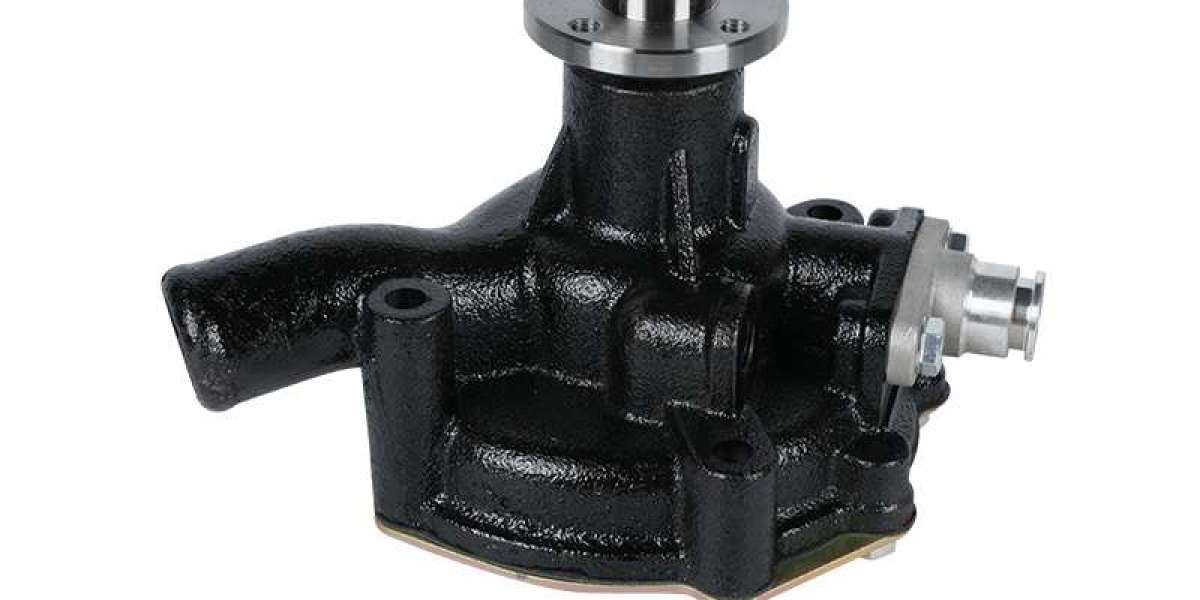

A Kubota Pump is a mechanical device engineered for the efficient movement of water and other fluids in a wide array of applications. This equipment is recognized for its integration with Kubota's renowned diesel and gasoline engines, creating a cohesive and dependable power unit. The pump's design prioritizes durable construction, consistent performance under load, and adaptability to various operational demands, making it a component in systems ranging from agricultural irrigation and drainage to construction site dewatering and industrial fluid transfer.
The operational principle of a Kubota Pump typically involves a centrifugal or diaphragm mechanism driven directly by the engine's power take-off (PTO) or via a direct shaft connection. Centrifugal models use a rotating impeller to create flow, suitable for moving large volumes of water with relatively low solids content. Diaphragm pumps employ a reciprocating diaphragm to handle more viscous fluids or those containing suspended solids. Key selection factors include desired flow rate (gallons per minute), total dynamic head (pressure requirement), and the nature of the fluid being pumped, ensuring the unit is correctly specified for its intended task.
Effective operation requires adherence to maintenance schedules and proper installation. Routine checks of seals, impellers, and drive connections prevent failures. Ensuring the pump is primed for centrifugal models and that suction lines are airtight is critical for performance. The operational dependability of a Kubota Pump stems from this synergy of robust mechanical design and supported integration with a reliable power source, providing a solution for demanding fluid handling challenges.