
Jaisalmer India is a destination that genuinely rewards the travelers who make the effort to get there. The city is remote by most standards. It is a long way from Delhi or Mumbai and getting there requires some planning. But what you find when you arrive is one of the most intact medieval urban environments in the world, set against a desert landscape that is vast, beautiful, and deeply affecting. The golden fort, the carved havelis, the desert dunes, the abandoned village, the night sky over the Thar. All of it together makes jaisalmer india one of the most complete and satisfying travel experiences that South Asia has to offer. This guide covers everything from the essential sights to the practical logistics.
What to Know Before You Arrive in Jaisalmer India
The first thing to sort out for jaisalmer india is timing. October through March is the recommended window and November through February is peak season. Daytime temperatures during these months are dry and comfortable. Nights in December and January can drop to around 5 degrees Celsius so pack warm layers regardless of when you go. Summer from April through June is extremely hot and not recommended for most travelers.
Getting to jaisalmer india: the overnight train from Jodhpur is the most practical option, taking around 5 to 6 hours and arriving in the morning. There is a small airport with limited connections from Delhi and a few other cities. Book accommodation in advance for peak season visits. The better guesthouses and heritage hotels fill up quickly, particularly around the Jaisalmer Desert Festival in February. Carry enough cash since ATMs can run short during peak season.
Jaisalmer India Fort History and What to See Inside
Jaisalmer Fort is the defining attraction of jaisalmer india and it deserves a full morning or full afternoon. Built in 1156 by Rawal Jaisal on the flat-topped Trikuta Hill, the fort is one of the largest fortified cities in the world and one of the very few that is still fully inhabited. Around 3,000 people live inside its double perimeter walls.
The fort palace museum covers the history of the Bhati Rajput rulers comprehensively. Entry for foreign nationals is around 250 rupees with an audio guide included. The seven Jain temples inside the fort, built between the 12th and 16th centuries, are the architectural highlight. The carved stone interiors are of exceptional quality and represent some of the finest medieval Jain architecture in India. The rampart walk gives views over the city and the Thar Desert that are completely unique to this vantage point. Late afternoon is the best time when the sandstone glows amber.
Best Havelis to Visit During Your Jaisalmer India Trip
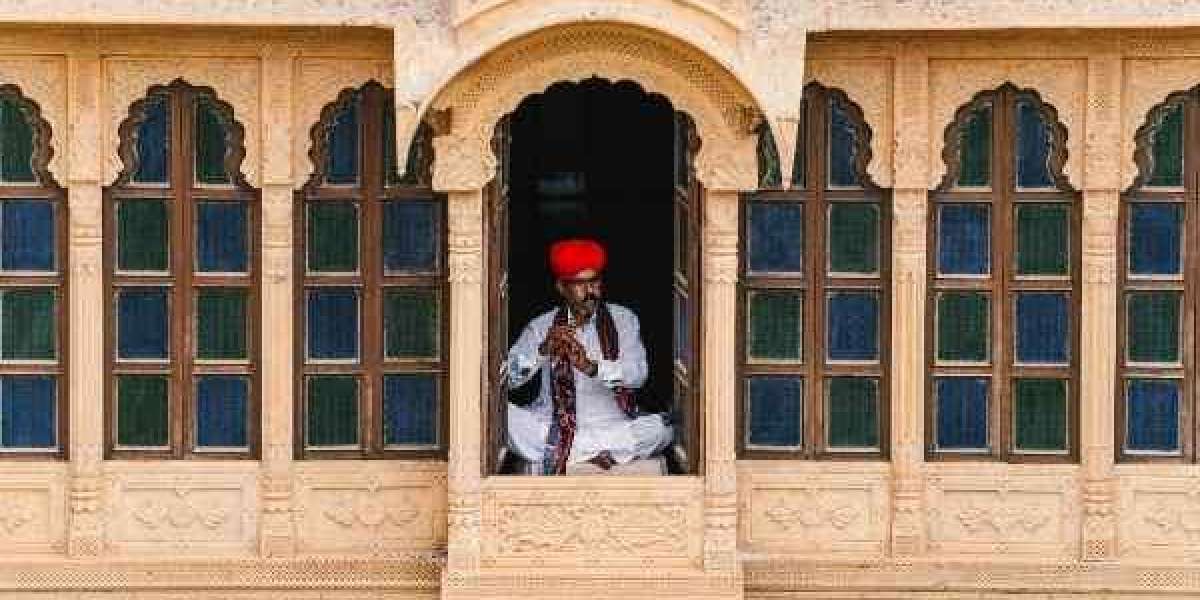
The havelis are among the most important stops on any jaisalmer india trip and they are the spots that most consistently exceed what visitors expect. Patwon Ki Haveli is the most elaborate. Five connected mansions with a continuous carved facade running a full city block. Entry to the main section is around 100 rupees. Salim Singh Ki Haveli has the famous peacock-shaped top floor. Nathmal Ki Haveli, built by two brothers from opposite ends simultaneously, has a charming asymmetry in the finished facade.
All three havelis are within comfortable walking distance of each other in the old city. Give yourself two to three hours and spend real time on the exterior carving of each one. The carved panels on these facades are where most of the craftsmanship is concentrated and the detail rewards slow attention rather than a quick glance.
Thar Desert Experiences Every Visitor Should Consider
The desert experiences available from jaisalmer india are central to what makes the city worth visiting. Sam Sand Dunes, 42 kilometers from the city, is the most popular location. The dunes are dramatic and the range of camp options covers every budget. Overnight stays include dinner, folk music, and the extraordinary night sky. Book camps at least a week in advance during peak season.
Khuri, about 40 kilometers in a different direction, is the quieter and more personal alternative with family-run camps. Jeep safaris are available for covering more ground and reaching Kuldhara, Fossil Park, and remote desert areas beyond the standard dune circuit. All experiences are best booked through your hotel. The overnight camp is one of those jaisalmer india experiences most visitors describe as the highlight of their entire India trip.
Local Cuisine in Jaisalmer India Worth Seeking Out
The food culture of jaisalmer india is built around the desert cooking traditions of the Thar and it is worth seeking out deliberately rather than just eating at the most convenient tourist restaurant. Dal Baati Churma is the essential dish. Hard baked wheat balls served with spiced lentil dal and a sweet crumbled wheat preparation. Full thali versions are available throughout the old city at very reasonable prices.
Things to do in Jaisalmer always include eating Ker Sangri, the dish made from dried desert berries and beans that is uniquely regional and essentially impossible to find outside this area of Rajasthan. Mawa Kachori is the local dessert specialty. For dinner with fort views, the rooftop restaurants along the fort road are a reliable and genuinely enjoyable option.
Day Trips From Jaisalmer India That Are Worth Taking
Several day trips from jaisalmer india significantly expand what a visit here can offer. Kuldhara, 18 kilometers away, is the abandoned village from 1825 maintained by the Archaeological Survey of India. Walking through the empty stone houses is a genuinely atmospheric experience. Bada Bagh, 6 kilometers from the city, has the royal cenotaphs of the Jaisalmer rulers in a desert garden. Entry is around 50 rupees and the late afternoon light here is excellent.
Fossil Park at Akal, 17 kilometers from the city, has ancient plant fossils on the desert surface and is free. Desert National Park, about 40 kilometers away, is one of the last places in India where the critically endangered Great Indian Bustard can be seen in the wild. A permit through the Rajasthan forest department is required. Tanot Mata Temple near the Pakistan border is a longer drive but has a distinctive atmosphere worth experiencing for travelers with extra time.
Getting To and Around Jaisalmer India Made Simple
Getting to jaisalmer india is most practically done by the overnight train from Jodhpur, which takes around 5 to 6 hours and arrives in the morning. The small airport has limited but useful connections from Delhi. Getting around: walking handles the fort, havelis, and Gadisar Lake comfortably. Auto-rickshaws are cheap for longer distances within the city. For day trips to Sam, Khuri, Kuldhara, Bada Bagh, and other outer destinations, hire a vehicle for the day through your hotel. Daily hire rates typically run between 1,500 and 2,500 rupees depending on the destinations covered.
https://www.travelosei.com/india/cultural/north/jaisalmer
FAQs
Is jaisalmer india worth the journey from the major tourist cities?
Absolutely. The combination of the living fort, desert experiences, and extraordinary architecture is genuinely unique and the journey by overnight train from Jodhpur is comfortable and straightforward.
What is the best hotel area in jaisalmer india?
The area just below the fort walls in the old city has the best concentration of guesthouses and heritage hotels with fort views. This area also gives you walking access to the main sites.
How much does a good desert camp cost in jaisalmer india?
Budget camps start around 1,500 rupees per person. Mid-range options with folk music and better facilities run 3,000 to 5,000 rupees. Luxury glamping options go considerably higher.
Can I find good vegetarian food in jaisalmer india?
Yes, Rajasthani cuisine is largely vegetarian and Jaisalmer has excellent options. Dal Baati Churma, Ker Sangri, and the full thali meals available throughout the city are all vegetarian.
Is jaisalmer india accessible for travelers with limited mobility?
Some sites are and some are not. The fort has uneven stone surfaces and stairs. Gadisar Lake and the haveli exteriors are more accessible. Hiring a vehicle for the day makes the outer sites much more manageable.