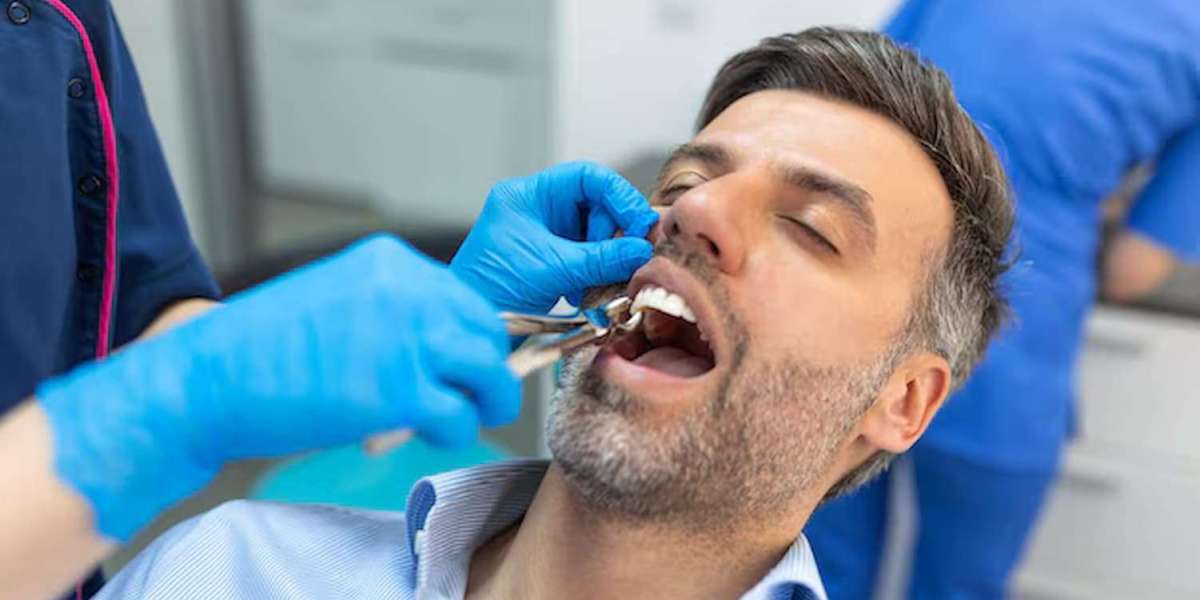

Many individuals may require third molar extraction during late teenage years or early adulthood. These third molars, commonly known as wisdom teeth, often emerge at the back of the mouth and can create problems when there is not enough space for proper growth. Wisdom Teeth Removal is frequently recommended in such cases to prevent pain, crowding, or infection. Understanding the process, reasons, and recovery steps helps patients feel more confident and prepared. This article explains everything one needs to know about this procedure in a simple and informative way.
Understanding Wisdom Teeth and Why Removal Is Needed
Wisdom teeth are the last set of molars to develop, usually appearing between the ages of seventeen and twenty five. In many cases, the human jaw does not have enough space to accommodate them, which leads to complications. When these teeth become impacted or grow at the wrong angle, they may cause discomfort and affect surrounding teeth. Because of these potential issues, dental professionals often recommend removal to maintain proper oral health and prevent future complications.
Types of Impaction and Dental Concerns
Impacted wisdom teeth can occur in several ways depending on how they are positioned in the jaw. Some may remain trapped beneath the gums, while others may partially erupt and become prone to infection. In certain cases, they may grow horizontally and push against neighboring teeth, leading to crowding. These conditions can increase the risk of cavities, gum disease, and persistent pain. Early evaluation helps determine whether removal is necessary to avoid long term dental problems.
Signs You May Need Wisdom Teeth Removal
There are several symptoms that may indicate the need for wisdom teeth extraction. Common signs include pain at the back of the mouth, swelling in the gums, difficulty opening the jaw, or recurring infections. Some individuals may also experience headaches or discomfort while chewing. Even if symptoms are not severe, dental checkups can reveal hidden issues through X rays. Identifying these warning signs early can help prevent complications and ensure timely treatment.
Common Symptoms to Watch For
When wisdom teeth begin to cause problems, patients may notice redness, tenderness, or swelling in the gums. Bad breath or an unpleasant taste in the mouth can also occur due to trapped food and bacteria. In more advanced cases, pain may radiate to the ear or jaw. These symptoms often worsen over time if left untreated. Regular dental visits are essential for monitoring changes and determining the appropriate course of action.
The Procedure of Wisdom Teeth Removal
The process of wisdom teeth extraction is typically performed by a dentist or oral surgeon in a clinical setting. Before the procedure, a detailed examination and imaging tests are conducted to assess the position of the teeth. Local anesthesia or sedation is then used to ensure comfort during the surgery. The tooth is carefully removed, and stitches may be placed if needed. The procedure is generally safe and completed within a short duration depending on complexity.
Steps Involved in the Treatment Process
The first step involves consultation and diagnostic imaging to understand the exact positioning of the wisdom teeth. Next, anesthesia is administered to numb the area and minimize discomfort. The dentist then creates a small opening in the gum if the tooth is impacted. After removal, the area is cleaned thoroughly and stitched if required. Finally, gauze is placed to control bleeding and promote clot formation, which is essential for healing.
Recovery and Aftercare
Recovery after wisdom teeth removal plays a crucial role in ensuring proper healing and avoiding complications. Patients are usually advised to rest for at least twenty four hours after the procedure. Swelling and mild discomfort are common but can be managed with prescribed medication and cold compresses. Eating soft foods and avoiding strenuous activities can support faster recovery. Maintaining oral hygiene while being gentle around the surgical site is also important during the healing phase.
First Week Healing Guidelines
During the first week, patients should avoid hard, spicy, or hot foods that may irritate the surgical area. Rinsing the mouth gently with warm salt water can help keep the area clean and reduce the risk of infection. It is also important to avoid smoking or using straws, as these actions can disturb the healing clot. Gradually, discomfort decreases, and normal activities can be resumed as advised by the dental professional.
Risks and Complications
Although wisdom teeth removal is generally safe, like any surgical procedure, it may involve some risks. These can include infection, dry socket, bleeding, or temporary nerve irritation. Dry socket occurs when the blood clot at the extraction site becomes dislodged, causing pain and delayed healing. In rare cases, nearby nerves may be affected, leading to temporary numbness. However, following proper aftercare instructions significantly reduces the likelihood of complications.
How Complications Are Managed
If complications arise, dentists may prescribe antibiotics or recommend specific treatments to promote healing. Pain management strategies and follow up appointments help ensure recovery progresses smoothly. Patients are encouraged to report unusual symptoms such as severe pain, prolonged bleeding, or swelling. Early intervention is key to preventing minor issues from developing into more serious conditions.
Benefits of Wisdom Teeth Removal
Removing problematic wisdom teeth offers several long term benefits for oral health. It helps prevent crowding of other teeth and reduces the risk of infection or decay. It also eliminates chronic pain and discomfort associated with impacted teeth. In many cases, early removal can protect the alignment of existing teeth and reduce the need for more complex orthodontic treatments in the future. Overall, it contributes to improved oral hygiene and long term dental stability.
When to See a Dentist
It is important to consult a dentist if any pain, swelling, or discomfort is noticed in the back of the mouth. Even without symptoms, routine dental examinations can help detect potential issues early. Dentists use X rays to evaluate the position of wisdom teeth and determine whether removal is necessary. Seeking professional advice at the right time can prevent complications and ensure timely treatment, leading to better oral health outcomes.
Conclusion
Wisdom teeth issues can affect oral health in several ways if not addressed early. Understanding the signs, procedure, and recovery process helps individuals make informed decisions about their dental care. Timely evaluation and treatment can prevent pain, infection, and long term complications. For professional evaluation and expert care, Clove Dental santa monica provides trusted dental services focused on patient comfort and effective treatment outcomes.
Click here to enjoy modern dental treatments in Santa Monica.