
INTRODUCTION
When planning a pool upgrade, one of the most common questions homeowners and property managers ask is about the timeline. A Swimming Pool Renovation Company can transform an outdated or damaged pool into a modern, efficient, and visually appealing space—but how long does the process actually take?
The duration of a swimming pool renovation depends on several factors, including the scope of work, pool size, materials used, and weather conditions. In this detailed guide, we’ll explore typical timelines, factors that influence project duration, and what you can expect during each stage of renovation.
Understanding Swimming Pool Renovation Timelines
Unlike new pool construction, renovation projects vary widely in complexity. Some minor upgrades can be completed quickly, while full-scale renovations may take several weeks.
General Timeframes
Here’s a rough estimate of how long different types of renovation projects may take:
- Basic Repairs and Cosmetic Updates: 1–2 weeks
- Moderate Renovations (Tiles, Plumbing, Equipment): 2–4 weeks
- Major Renovations (Structural Changes, Resurfacing): 4–8 weeks or more
These timelines are approximate and can vary depending on project requirements.
Key Factors That Affect Renovation Duration
Several elements influence how long a Swimming Pool Renovation Company takes to complete the work.
1. Scope of the Renovation
The extent of the renovation is the most significant factor.
Minor Renovations: Cleaning, repainting, or replacing tiles
Moderate Renovations: Upgrading filtration systems, plumbing, or lighting
Major Renovations: Structural repairs, reshaping the pool, or complete resurfacing
The more extensive the work, the longer the timeline.
2. Pool Size and Design Complexity
Larger pools naturally require more time to renovate. Additionally, pools with complex designs, custom features, or intricate tile work may take longer to complete.
3. Type of Materials Used
Certain materials require longer installation and curing times. For example:
- Plaster and concrete finishes need time to cure
- Custom tiles or imported materials may have longer delivery times
Material selection plays a crucial role in determining the overall timeline.
4. Weather Conditions
Weather can significantly impact renovation work, especially for outdoor pools.
- Rain can delay construction
- Extreme temperatures can affect curing processes
- Humidity levels may influence finishing work
Contractors often schedule projects based on favorable weather conditions.
5. Permit and Approval Processes
In some cases, renovation projects require permits or approvals from local authorities. The time needed to obtain these approvals can add to the overall project duration.
6. Availability of Equipment and Labor
The availability of skilled labor and specialized equipment can also affect timelines. Reputable contractors ensure proper planning to minimize delays.
Step-by-Step Breakdown of the Renovation Process
Understanding the stages involved can help you better estimate the time required.
1. Initial Inspection and Planning (2–5 Days)
The contractor assesses the pool’s condition, discusses your requirements, and creates a renovation plan.
2. Design and Material Selection (3–7 Days)
This stage involves choosing finishes, tiles, lighting, and equipment. Custom designs may take longer.
3. Draining the Pool (1–2 Days)
The pool is drained to prepare for renovation work.
4. Demolition and Surface Preparation (3–7 Days)
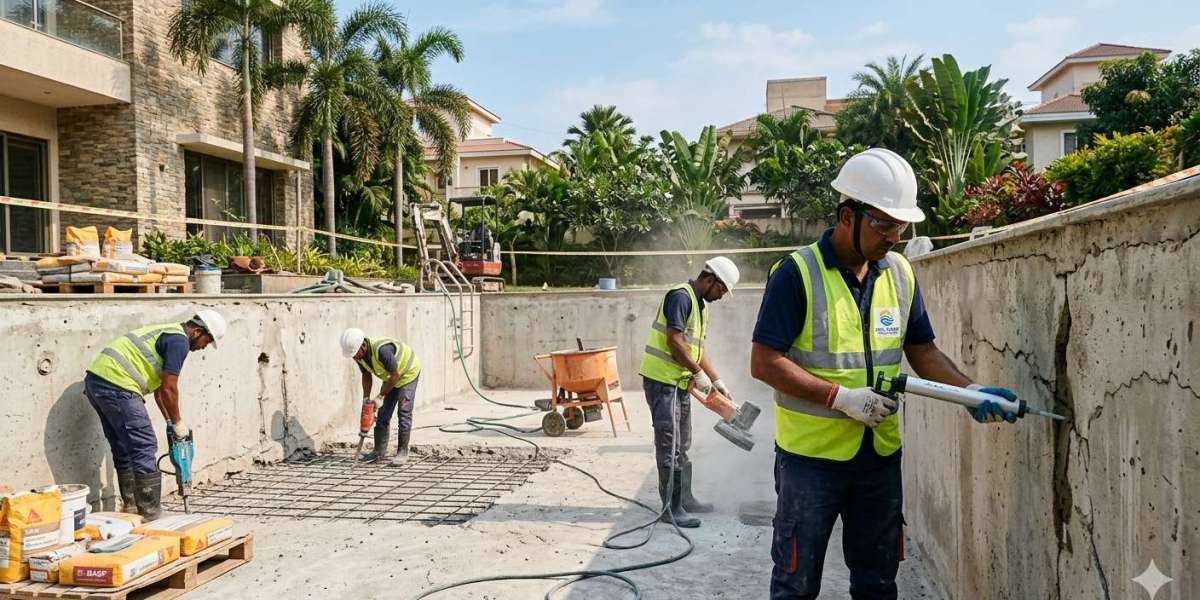
Old tiles, plaster, or damaged structures are removed. The surface is cleaned and prepared for new installations.
5. Structural Repairs and Plumbing Work (5–10 Days)
Any cracks, leaks, or plumbing issues are addressed during this phase.
6. Installation of New Features (5–14 Days)
This includes:
- New tiles
- Lighting systems
- Filtration equipment
- Water features
7. Resurfacing and Finishing (5–10 Days)
The pool surface is refinished using plaster, pebble, or other materials. This stage requires curing time.
8. Refilling and Final Testing (2–3 Days)
The pool is refilled, and all systems are tested to ensure proper functionality.
Common Delays in Pool Renovation Projects
While contractors aim to complete projects on time, certain challenges may cause delays:
- Unexpected structural damage
- Weather interruptions
- Material shortages
- Changes in design during the project
- Permit approval delays
Working with an experienced contractor helps minimize these risks.
How to Ensure a Smooth Renovation Process
To keep your project on schedule, consider the following tips:
Plan Ahead
Start planning your renovation well in advance, especially before peak seasons.
Choose Experienced Professionals
A skilled Swimming Pool Renovation Company ensures efficient project management and timely completion.
Finalize Design Early
Avoid making major changes once the project has started.
Maintain Clear Communication
Regular updates with your contractor help address issues quickly.
Residential vs Commercial Renovation Timelines
Residential Pools
- Typically less complex
- Shorter timelines
- Flexible scheduling
Commercial Pools
- Larger and more complex
- Strict compliance requirements
- Longer timelines due to inspections and regulations
Importance of Professional Expertise
Hiring professionals ensures that every stage of the renovation is handled efficiently. Experienced contractors:
- Follow structured timelines
- Use high-quality materials
- Ensure compliance with safety standards
- Provide reliable after-service support
Their expertise plays a crucial role in completing the project on time.
Benefits of Timely Pool Renovation
Completing your renovation within the expected timeframe offers several advantages:
- Minimal disruption to your routine
- Quick return to pool usage
- Improved safety and performance
- Enhanced aesthetic appeal
Future Trends in Pool Renovation
Modern renovation projects are becoming more efficient with advancements such as:
- Pre-fabricated components
- Faster curing materials
- Smart pool technology
- Automated systems
These innovations are helping contractors complete projects more quickly and efficiently.
Conclusion
The time required for a pool renovation depends on various factors, including the scope of work, materials, and external conditions. While minor upgrades can be completed in a short time, more extensive renovations may take several weeks.
Understanding the process and working with experienced professionals ensures a smooth and efficient renovation experience. Proper planning, clear communication, and timely decision-making can significantly reduce delays and help you achieve the desired results.
For reliable and efficient renovation services, trust Swimwell Pools to deliver exceptional results. Partnering with experienced swimming pool companies ensures your pool renovation is completed on time with the highest standards of quality and performance.
Frequently Asked Questions (FAQs)
1. How long does a typical pool renovation take?
It can take anywhere from 1 to 8 weeks depending on the complexity of the project.
2. Can renovation be completed faster?
Yes, minor renovations can be completed quickly, but major projects require adequate time for quality results.
3. What causes delays in pool renovation?
Weather, material availability, and unexpected repairs are common causes of delays.
4. Is it possible to use the pool during renovation?
No, the pool must remain unused until the renovation is fully completed and tested.
5. How can I speed up the renovation process?
Planning ahead, finalizing designs early, and hiring experienced contractors can help reduce delays.
Read Our Previous Blog------>Can Swimming Pool Renovation improve energy efficiency?