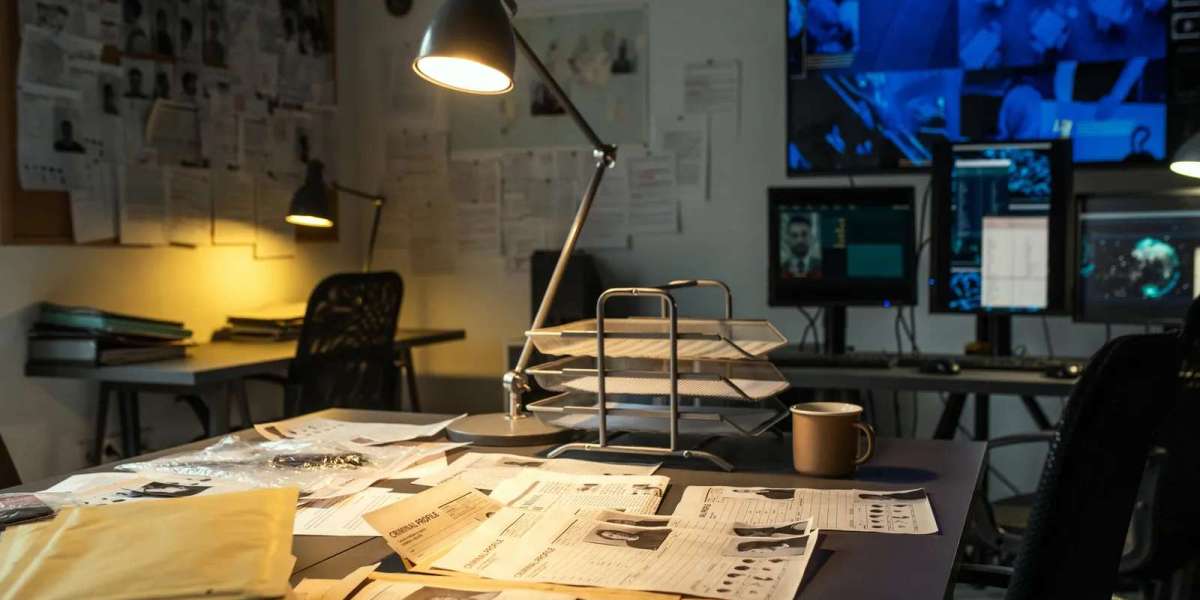

There is an art to watching without being seen, and it is an art that separates amateur snooping from professional surveillance investigation. When you need evidence that will hold up in court, convince a skeptical insurance adjuster, or finally give you the clarity to make a life-changing decision, casual observation simply will not cut it. Surveillance investigation services exist precisely for these high-stakes moments. They bring trained eyes, specialized equipment, and years of patience to situations where a single clear photograph or video clip can be worth more than hours of circumstantial guesswork. But here is what most people do not realize: accurate evidence collection through surveillance is not about catching someone in the act of something dramatic. More often, it is about documenting patterns, inconsistencies, and behaviors that gradually build an undeniable picture of the truth.
Why Professional Surveillance Beats Do-It-Yourself Attempts
It is tempting to grab your phone, park down the street, and try to gather your own evidence. After all, how hard can it be to follow someone or watch a house? The answer is much harder than television makes it look. Professional surveillance investigators spend months learning how to blend into any environment, how to anticipate a subject’s movements, and how to avoid the telltale signs that give away a tail. They know that looking away at the wrong moment can mean missing the crucial piece of evidence. They understand that a car parked too long in a residential neighborhood draws attention, while a delivery truck or a landscaping van raises no suspicion. Amateurs also rarely understand the legal boundaries of surveillance. Standing on a public sidewalk is legal. Peeking through a fence crack or placing a camera on private property is not. Professionals know exactly where that line sits and never cross it.
The Different Types of Surveillance Used for Different Cases
Not every investigation calls for the same surveillance approach, and skilled investigators match their methods to the specific goal. Static surveillance involves watching a fixed location, such as a home, office, or warehouse, from a discreet distance. This works well for documenting who visits a location or what time someone leaves for work. Mobile surveillance means following a subject as they drive, walk, or take public transportation, which requires multiple vehicles and coordinated teams to avoid detection. Then there is technical surveillance, which uses cameras, audio equipment, and GPS devices where legally permitted. Some cases even call for aerial surveillance using drones, though strict regulations govern where and how these can operate. A good investigator explains which type suits your situation and why, rather than defaulting to the method they find most convenient.
How Investigators Maintain Cover During Long-Term Operations
The longest surveillance assignments can stretch for days or even weeks, and maintaining cover during that time requires almost superhuman discipline. Investigators rotate vehicles regularly so neighbors do not become suspicious of the same van parked on their street every Tuesday. They change clothing, hairstyles, and even the way they walk to avoid being recognized if the subject crosses paths with them repeatedly. They pack coolers with food, use restrooms at gas stations far from the surveillance zone, and develop signal systems with team members that look like ordinary phone calls or text messages. Some of the most effective investigators even build cover stories—pretending to be joggers, utility workers, or door-to-door salespeople—so that if a subject approaches them, they have a believable reason for being there. This level of preparation feels excessive until you realize that a single blown cover can destroy weeks of work in seconds.

The Technology That Makes Modern Surveillance More Effective
While old-fashioned patience remains the backbone of good surveillance, technology has added powerful new tools to the investigator’s belt. High-definition cameras with zoom lenses can capture license plate numbers from hundreds of feet away, even in low light. Body-worn cameras allow investigators to record interactions without fumbling for a phone. GPS trackers, where legally permitted, provide location history that can prove a subject visited a specific place at a specific time without requiring an investigator to follow them 24 hours a day. Some firms also use software that analyzes patterns in social media posts, correlating them with physical surveillance to catch discrepancies. For example, a subject who posts photos from a “business trip” while their car sits in a local hotel parking lot tells a story that no amount of verbal denial can erase. The key is that technology never replaces human judgment. It simply makes that judgment more accurate.
What Makes Evidence Court-Admissible Versus Merely Interesting
Gathering evidence that fascinates you is one thing. Gathering evidence that a judge will accept is something else entirely. Surveillance investigation services that focus on accuracy follow strict protocols to ensure their findings stand up to legal scrutiny. Every photograph and video clip must include metadata showing when and where it was captured. Investigators maintain detailed logs of their own locations and activities, creating a chain of custody that proves evidence has not been tampered with. They avoid any surveillance method that a court might deem an unreasonable invasion of privacy, such as recording through windows or following someone into a restroom. Perhaps most importantly, they document their failures as thoroughly as their successes. A log that shows an investigator lost the subject for twenty minutes is actually more credible than a log that claims perfect surveillance throughout, because honesty about limitations builds trust with the court.
The Emotional Toll of Watching and Waiting
People rarely talk about how surveillance investigation services affects the investigator, but it matters more than you might think. Sitting alone in a car for twelve hours, watching a house where nothing happens, requires mental stamina that most jobs never demand. Investigators learn to manage boredom without losing focus, to stay awake during the overnight hours when the body screams for sleep, and to suppress the natural frustration that comes when a subject does not cooperate with their patterns. They also carry the emotional weight of what they witness. Watching a parent neglect a child, a spouse betray a wedding vow, or an employee steal from a trusting boss takes a toll that does not simply disappear at the end of the shift. The best surveillance professionals develop healthy ways to process this exposure—talking with colleagues, maintaining outside hobbies, and knowing when to step away from a particularly painful case. Their emotional health matters because your case deserves an investigator who is fully present, not someone who has burned out and stopped caring.
When Surveillance Is Not the Right Answer for Your Situation
As effective as surveillance can be, honest investigators will tell you when it is not the right tool for the job. Some situations simply do not offer enough predictable behavior to make surveillance worthwhile. A subject who works from home, rarely leaves the house, and has no regular schedule might never provide the evidence you need, no matter how many hours you watch. Other cases might be better solved through database searches, interviews, or forensic accounting rather than physical observation. A trustworthy surveillance service will explain these limitations upfront rather than taking your money for a futile effort. They might recommend a different type of investigation entirely or tell you honestly that your suspicions probably cannot be proven with the resources you are willing to commit. That kind of honesty feels disappointing in the moment, but it saves you from throwing good money after bad. And sometimes, hearing that an investigation is unlikely to succeed is the clarity you actually needed all along.