
Tooth sealant is a preventive dental treatment designed to protect teeth from decay, particularly in children and teenagers, but it is also beneficial for adults. This protective coating is applied to the chewing surfaces of the molars and premolars, which are most susceptible to cavities due to grooves and fissures that are difficult to clean with regular brushing. Understanding what tooth sealant is, how it works, and its advantages can help individuals maintain better oral health and prevent costly dental treatments in the future.
Sealants act as a barrier, preventing food particles and bacteria from settling into the grooves of teeth. They are painless, non invasive, and quick to apply, making them an ideal preventive measure for families and individuals alike. By incorporating tooth sealants into routine dental care, patients can significantly reduce the risk of cavities and maintain stronger, healthier teeth over time.
What is a Tooth Sealant?
Definition and Purpose
A tooth sealant is a thin, protective coating applied to the surface of teeth, especially the back teeth, to shield them from decay. It fills in the grooves and pits where plaque and food debris can accumulate, creating a smooth surface that is easier to clean.
The primary purpose of a tooth sealant is preventive. It does not treat existing cavities but works effectively to reduce the risk of developing new decay. Sealants are particularly beneficial for young patients whose teeth are still developing and are more vulnerable to damage.
Composition and Materials
Sealants are typically made from a plastic resin material that bonds to the enamel of the tooth. Some modern formulations may include fluoride, which provides additional protection against cavities by strengthening the enamel.
The material is durable yet flexible, allowing it to withstand the forces of chewing and last for several years. The process is safe, painless, and suitable for both children and adults with healthy teeth.
Targeted Teeth for Application
Tooth sealants are most commonly applied to molars and premolars because these teeth have deep grooves that trap food and bacteria. Children’s permanent molars are especially susceptible to decay, making them ideal candidates for sealants.
In some cases, adults with deep grooves or a history of cavities may also benefit from sealants. A dentist can assess which teeth are most at risk and recommend sealant application accordingly.
The Benefits of Tooth Sealants
Prevention of Tooth Decay
Sealants provide a physical barrier that prevents bacteria and food particles from reaching vulnerable areas of teeth. This significantly reduces the likelihood of cavities, especially on chewing surfaces that are difficult to clean.
Preventing decay with sealants helps maintain healthy teeth, reduces the need for fillings or other restorative treatments, and promotes long term oral health. Children and adults alike can benefit from this proactive approach.
Cost Effective Preventive Measure
Applying tooth sealants is a relatively inexpensive procedure compared to treating cavities, root canals, or other restorative dental procedures. Investing in sealants can save both time and money over the long term.
Since sealants are durable and can last several years, they offer ongoing protection with minimal maintenance. The cost effectiveness combined with preventive benefits makes them an excellent choice for families.
Painless and Non Invasive
The application process for tooth sealants is completely painless and does not involve drilling or anesthesia. Teeth are simply cleaned, prepared, and coated with the sealant material, which hardens quickly.
This makes the procedure ideal for children or patients who may feel anxious about dental treatments. The non invasive nature encourages routine preventive care without discomfort or fear.
Easy Maintenance
Once applied, tooth sealants require no special care beyond regular brushing, flossing, and routine dental checkups. They integrate seamlessly into a normal oral hygiene routine.
Dentists can also check the condition of sealants during regular visits and reapply them if necessary, ensuring ongoing protection without extra effort from the patient.
The Procedure for Applying Tooth Sealants
Initial Examination
Before applying a sealant, a dentist will examine the teeth to ensure they are healthy and free of cavities. This evaluation ensures that the sealant will be effective and properly applied.
The dentist may also take X rays or use visual inspection to identify any areas at higher risk for decay. Proper assessment ensures a targeted approach to preventive care.
Cleaning and Preparation
Teeth are thoroughly cleaned to remove plaque, debris, and surface stains. The surface is then etched with a mild solution to create a rough texture, which helps the sealant bond securely to the enamel.
Proper preparation ensures that the sealant adheres well and provides long lasting protection. This step is quick and straightforward, making the procedure efficient and comfortable.
Application and Curing
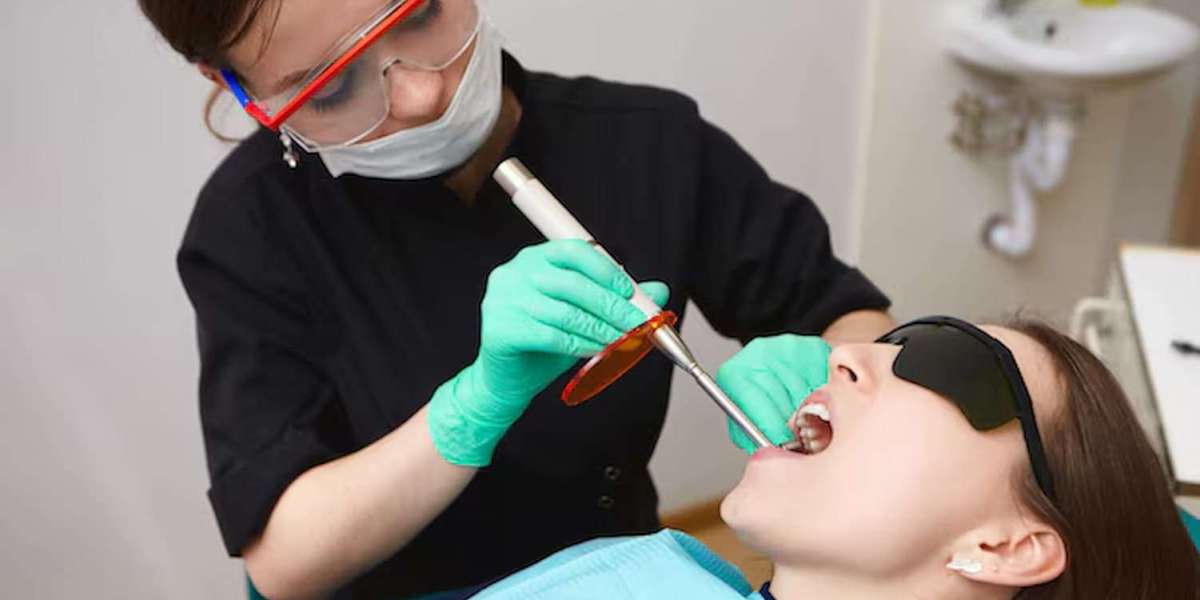
The sealant material is carefully applied to the chewing surfaces of teeth and spread evenly over grooves and pits. A special light may be used to harden the material quickly, creating a durable protective layer.
The entire process usually takes only a few minutes per tooth and can often be completed in a single dental visit. Patients can immediately resume normal activities without discomfort or restrictions.
Follow Up and Maintenance
During routine dental checkups, the dentist will examine the sealants to ensure they are intact and functioning properly. Any worn or damaged sealant can be reapplied to maintain effective protection.
Regular dental visits allow patients to enjoy continuous benefits of tooth sealants, ensuring long term prevention of decay and other dental issues.
Who Should Consider Tooth Sealants
Children and Teenagers
Young patients are the primary beneficiaries of tooth sealants. Their newly erupted permanent molars are particularly vulnerable to cavities, and sealants provide a strong preventive measure during critical developmental years.
Applying sealants early helps instill good oral hygiene habits and reduces the risk of dental problems as they grow. Sealants can be an essential part of a child’s oral health routine.
Adults with Vulnerable Teeth
Adults who have deep grooves, previous cavities, or difficulty maintaining oral hygiene may also benefit from tooth sealants. Sealants can protect these vulnerable areas and prevent future decay.
Even in adulthood, proactive preventive care with sealants can save time, money, and discomfort associated with more extensive dental treatments.
High Risk Patients
Individuals with a history of frequent cavities, limited saliva production, or other risk factors may find tooth sealants particularly beneficial. They provide an added layer of defense against decay in areas prone to bacterial buildup.
High risk patients can maintain better oral health and reduce the likelihood of restorative dental procedures through consistent use of sealants.
Conclusion
Tooth sealant is a simple, effective, and preventive dental solution that helps protect teeth from cavities and decay. By creating a durable barrier over vulnerable tooth surfaces, sealants offer long lasting protection, cost savings, and peace of mind for patients of all ages.
For expert application, professional guidance, and comprehensive preventive dental care, Clove Dental Sherman Oaks provides tooth sealant services to help patients maintain strong, healthy, and cavity free teeth.