If you’ve ever wondered how a simple logo turns into a clean, stitched design on a cap or shirt, the answer often lies in embroidery digitizing services. These services act as the bridge between artwork and embroidery machines. In the USA, embroidery digitizing services have become a go-to solution for businesses, startups, and even hobbyists who want professional-looking results without guesswork.
At first glance, it may seem like a simple file conversion. However, there’s more going on behind the scenes. Let’s break it down in a way that actually makes sense.
What Are Embroidery Digitizing Services?
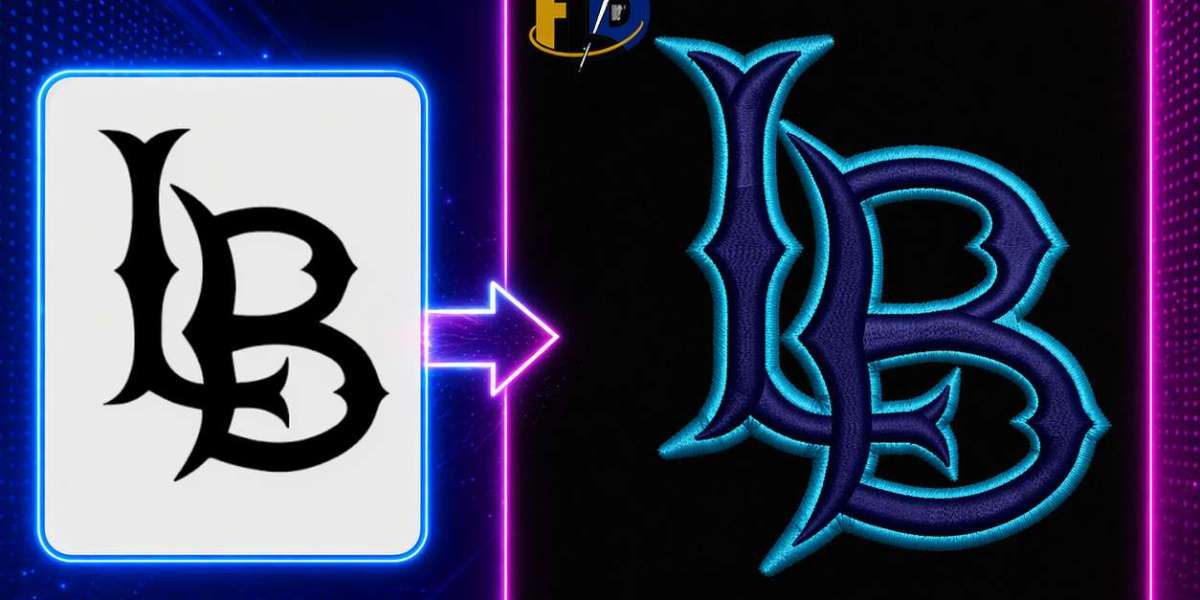
Embroidery digitizing services convert images, logos, or designs into a digital stitch file that embroidery machines can read. Instead of printing ink on fabric, machines follow precise stitch paths created during digitizing.
Think of it like giving instructions to a robot. You don’t just show it a picture—you tell it exactly where to stitch, what type of stitch to use, and how dense the stitching should be.
Because of that, professional embroidery digitizing requires both technical skill and a bit of artistic judgment. A good digitizer knows how fabric behaves, how threads interact, and how to keep designs clean and sharp.
How Embroidery Digitizing Services Work Step by Step
Step 1: Start with Artwork
Everything begins with a design file. This could be a logo, text, or even a rough sketch. Many businesses in the USA use an embroidery logo digitizing service to convert their brand identity into stitch-ready files.
Step 2: Convert into Stitch Data
Next, the digitizer uses specialized software to map out stitches. This is where embroidery design digitizing happens. The software doesn’t “guess” the design. Instead, the digitizer manually defines stitch types like satin, fill, or running stitches.
Step 3: Adjust for Fabric and Size
Not all fabrics behave the same. For example, a cotton t-shirt stretches differently than a cap. That’s why services like a left chest digitizing service or cap logo digitizing service are tailored for specific placements.
Step 4: Test and Refine
Before final delivery, the file is often tested. Adjustments are made to fix thread breaks, gaps, or uneven stitching. This step ensures that the final product looks clean and professional.
Why Businesses Use Embroidery Digitizing Services in the USA
Many businesses choose an embroidery digitizing company instead of doing it in-house. Here’s why:
First, it saves time. Learning digitizing software takes practice, and mistakes can be costly.
Second, it improves quality. A poorly digitized file can ruin fabric or waste thread.
Third, it supports scalability. Whether you need one logo or hundreds, online embroidery digitizing services can handle bulk orders efficiently.
Types of Embroidery Digitizing Services You Can Order
Custom Logo Digitizing Service
This is the most common option. A custom logo digitizing service converts your business logo into a stitch file ready for embroidery machines.
Left Chest Digitizing Service
Small logos placed on shirts require careful scaling. A left chest digitizing service ensures the design stays sharp even at smaller sizes.
Cap Logo Digitizing Service
Caps have curved surfaces, which makes stitching tricky. A cap logo digitizing service adjusts stitch angles and density for better results.
Rush Embroidery Digitizing Service
Need something fast? A rush embroidery digitizing service delivers files within hours, which is helpful for tight deadlines or last-minute orders.
Benefits of Using Online Embroidery Digitizing
With embroidery digitizing online, you don’t need to visit a physical shop. Everything happens remotely.
For example, you can upload your design, get a quote, and receive the final file via email. It’s simple, quick, and often more affordable.
Also, many providers offer revisions. So if your design doesn’t look right on fabric, you can request adjustments without starting over.
A Real-World Example
Let’s say you run a small clothing brand in Texas. You’ve got a great logo, but when you tried embroidery for the first time, the results looked messy.
That’s where a professional service helps. You send your logo to an embroidery digitizing company, and within a day, you receive a stitch file. When you run it on your machine, the difference is obvious. Clean edges, smooth stitching, and a design that actually represents your brand.
It’s a small step that makes a big difference.
Common Mistakes to Avoid
Even though digitizing sounds simple, beginners often run into problems.
For instance, using the wrong stitch type can distort the design. Similarly, ignoring fabric type can lead to puckering or uneven stitching.
That’s why many people rely on embroidery digitizing online services instead of trial and error. It saves both time and frustration.
How to Choose the Right Embroidery Digitizing Company
Not all services are equal, so it’s worth doing a bit of research.
Look for providers with clear pricing and fast turnaround times. Also, check if they offer revisions. A good embroidery digitizing company will work with you until the design looks right.
Customer reviews can also help. If others are happy with the quality, chances are you will be too.
Final Thoughts
In simple terms, embroidery digitizing services turn your ideas into stitch-ready designs. Whether you’re running a business or working on a personal project, these services make embroidery easier and more reliable.
From logos to custom designs, the process ensures that what you see on screen matches what ends up on fabric. And with options like rush embroidery digitizing service and specialized solutions for caps or shirts, there’s something for every need.
Once you try it, you’ll likely wonder how you managed without it.
FAQs
1. What file formats are used in embroidery digitizing?
Common formats include DST, PES, EXP, and JEF. The format depends on the embroidery machine you’re using.
2. How long does embroidery digitizing take?
Standard orders usually take 12 to 24 hours. However, a rush embroidery digitizing service can deliver in just a few hours.
3. Can any image be converted into embroidery?
Most images can be digitized, but simple designs work best. Complex images may need adjustments for better stitching results