
Achieving a bright, healthy smile is a common goal for many individuals, and professional teeth whitening treatment provides an effective solution. With numerous options available, understanding what works best can help patients choose the method that delivers optimal results. Professional treatments are designed to remove surface stains, deeper discoloration, and yellowing caused by food, beverages, aging, or lifestyle habits, providing a safe, predictable, and long-lasting outcome.
Professional In-Office Treatments
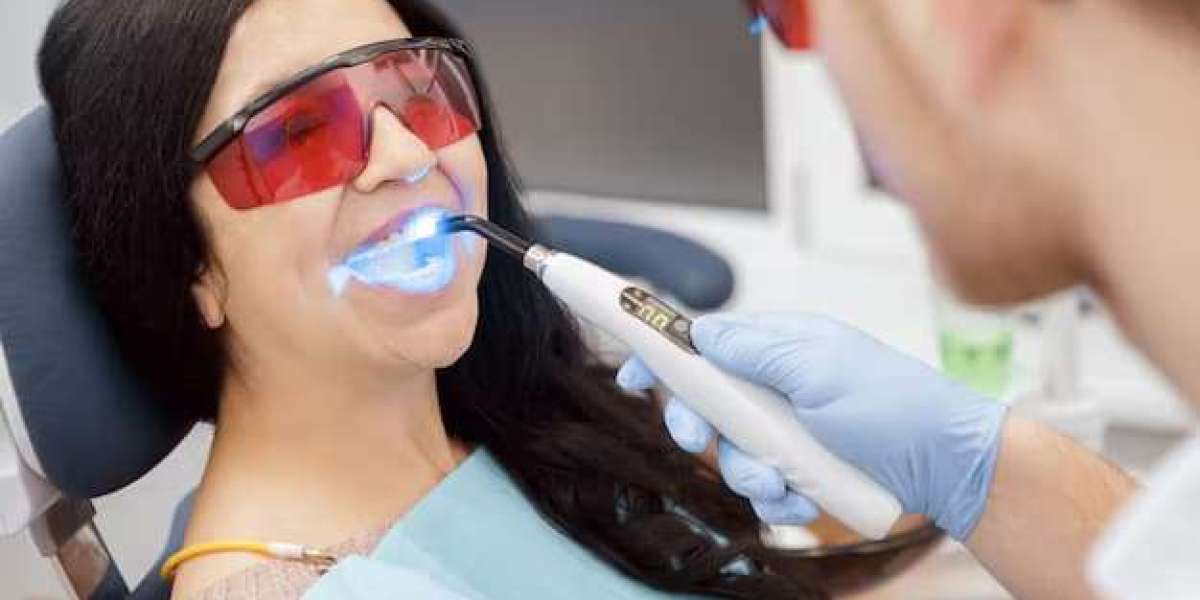
In-office teeth whitening treatments are highly effective for fast and noticeable results. Dentists use stronger bleaching agents under controlled conditions, ensuring safety and reducing sensitivity. These treatments often involve protective measures for gums and soft tissues while maximizing the whitening effect.
Advanced techniques such as LED or laser activation can further enhance the results, allowing patients to achieve multiple shades of improvement in a single session. In-office treatments are ideal for those seeking rapid and dramatic changes in their smile.
Take-Home Whitening Kits
Dentists may also provide custom take-home whitening kits. These include trays molded to fit the patient’s teeth and professional-grade bleaching gel. Patients apply the gel over a series of days or weeks, gradually brightening their smile with minimal discomfort.
Take-home kits offer convenience and flexibility, allowing patients to manage the pace of whitening while maintaining professional guidance. These kits are also an excellent option for touch-ups after in-office treatments.
Over-the-Counter Options
Over-the-counter whitening products such as strips, gels, or toothpaste can help maintain brightness, but they are less potent than professional treatments. Results may take longer, and uneven application can cause temporary sensitivity or inconsistent whitening.
While OTC products can complement professional care, relying solely on them may not achieve the desired level of whitening, particularly for deeper stains or discoloration resistant to standard methods.
Factors That Influence Effectiveness
Several factors affect the success of teeth whitening treatment, including the type and severity of staining, enamel condition, and prior dental work. Patients with crowns or veneers may require customized approaches, as these materials do not respond to bleaching agents like natural teeth.
A thorough dental evaluation ensures that the selected method is safe and effective. Dentists can tailor treatments to achieve natural, uniform results while minimizing risk of sensitivity or damage.
Maintenance and Long-Term Care
Maintaining a bright smile requires good oral hygiene and lifestyle adjustments. Avoiding foods and beverages that stain teeth, practicing regular brushing and flossing, and scheduling professional cleanings help prolong results.
Periodic touch-ups with professional treatments or at-home kits may be recommended to sustain brightness. Following the dentist’s guidance ensures long-lasting, healthy, and aesthetically pleasing results.
Conclusion
Selecting the most effective teeth whitening treatment depends on individual needs, stain severity, and professional guidance. In-office procedures and custom take-home kits provide safe, predictable, and long-lasting results, while over-the-counter products serve as supportive options. For expert advice and personalized whitening care, patients can rely on the professional services offered by Clove Dental Beverly Hills, ensuring a bright, healthy, and radiant smile tailored to their goals.