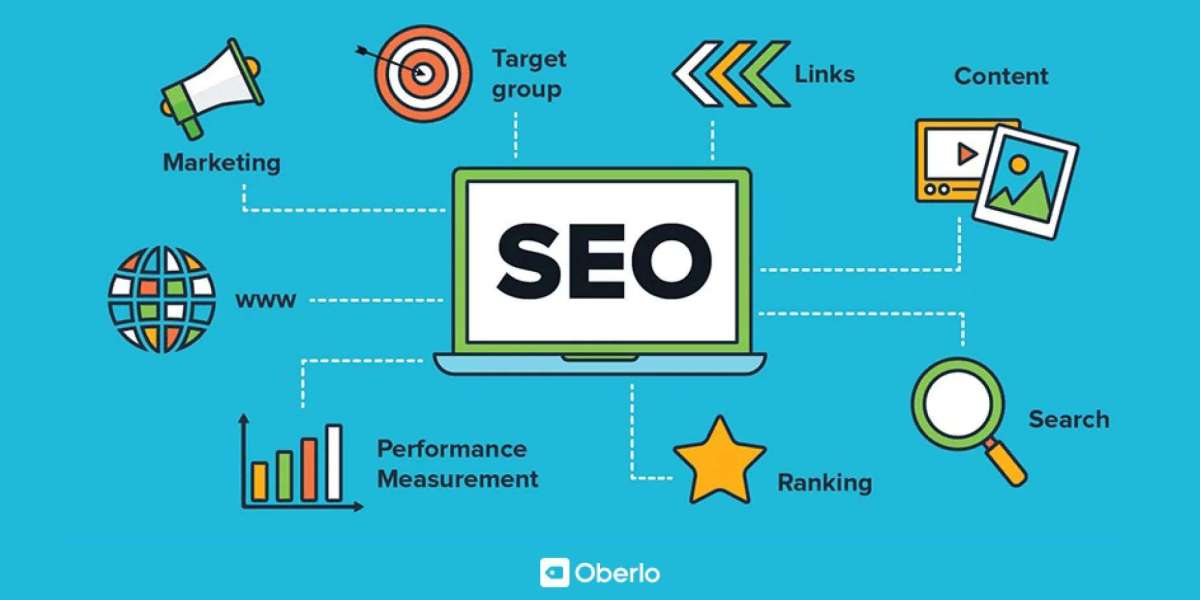

In the evolving world of SEO, one element has become more influential than ever: trust. While keywords, backlinks, and technical optimization still matter, they are no longer enough on their own. Search engines are increasingly focused on delivering reliable, accurate, and safe information to users. As a result, credibility has become a central factor in determining which content earns visibility.
Today, ranking well isn’t just about optimization—it’s about being trusted.
Why Trust Matters More Than Ever
The internet is filled with content, but not all of it is accurate or helpful. Search engines face the ongoing challenge of filtering out low-quality or misleading information while promoting content that genuinely benefits users.
To achieve this, algorithms now prioritize signals that indicate trustworthiness. Websites that consistently provide reliable, well-structured, and valuable information are more likely to rank higher and maintain their positions.
For users, trust translates into confidence. When people trust a source, they are more likely to engage with its content, return for future visits, and take meaningful action.
What Defines Credibility in SEO?
Credibility in SEO is built on several key elements:
Accuracy: Information must be correct, up to date, and supported by reliable sources.
Expertise: Content should demonstrate a clear understanding of the topic.
Consistency: Regularly publishing high-quality content builds reliability over time.
Transparency: Clear information about authors, sources, and your brand enhances trust.
These factors work together to create a strong foundation. Without them, even well-optimized content can struggle to perform.
The Role of Content Quality
High-quality content is at the heart of credibility. But quality is not just about writing—it’s about usefulness.
Content should answer questions clearly, provide actionable insights, and address user needs effectively. It should avoid vague claims and instead focus on delivering real value.
Depth also plays a role. Comprehensive content that explores a topic thoroughly is more likely to be seen as authoritative than surface-level information.
When users find your content helpful and reliable, they are more likely to stay, engage, and trust your brand.
Building Authority Through Signals
Search engines rely on various signals to assess credibility. One of the most important is how other websites interact with your content.
When reputable sites link to or mention your content, it reinforces your authority. These signals act as endorsements, showing that your information is valued within your industry.
User behavior also contributes to credibility. High engagement, low bounce rates, and repeat visits all indicate that users trust your content.
Together, these signals create a reputation that search engines can measure and reward.
Transparency Creates Confidence
In modern SEO, transparency is essential. Users want to know who is behind the content they are reading.
Providing author bios, company information, and clear contact details helps establish legitimacy. It shows that your content is backed by real people and a real organization.
Transparency also involves honesty. Avoid exaggerated claims or misleading information. Instead, focus on being clear, accurate, and straightforward.
This approach not only builds trust but also strengthens your long-term credibility.
User Experience as a Trust Signal
Credibility is not just about content—it’s also about how that content is delivered. A poorly designed website can undermine trust, even if the information is valuable.
Factors such as page speed, mobile responsiveness, and ease of navigation all influence user perception. A smooth, professional experience makes users more comfortable and confident in your site.
Search engines recognize this connection and factor user experience into their ranking decisions.
The Impact of Consistency
Trust is built over time, not in a single interaction. Consistency plays a crucial role in establishing credibility.
Publishing valuable content regularly, maintaining accuracy, and delivering a reliable experience all contribute to long-term trust.
When users know they can depend on your site for quality information, they are more likely to return—and search engines take notice of this behavior.
Avoiding Common Pitfalls
Many websites undermine their credibility without realizing it. Common mistakes include:
Publishing thin or poorly researched content
Using misleading headlines or clickbait
Ignoring updates and allowing information to become outdated
Overloading pages with ads or distractions
Avoiding these issues is just as important as implementing best practices. Credibility can be lost quickly, but it takes time to rebuild.
Trust as a Competitive Advantage
In a crowded digital space, trust sets you apart. While competitors may focus on quick wins or aggressive tactics, a credibility-driven approach creates lasting value.
Websites that prioritize trust are more resilient to algorithm changes and better positioned for long-term success.
This makes credibility not just a ranking factor, but a strategic advantage.
Final Thoughts
The trust factor is reshaping how SEO works. It shifts the focus from technical tricks to meaningful value, from short-term gains to long-term growth.
By prioritizing accuracy, transparency, user experience, and consistent quality, you can build a strong foundation of credibility. And in today’s search landscape, that foundation is what determines visibility.
In the end, search engines don’t just rank content—they rank trust.