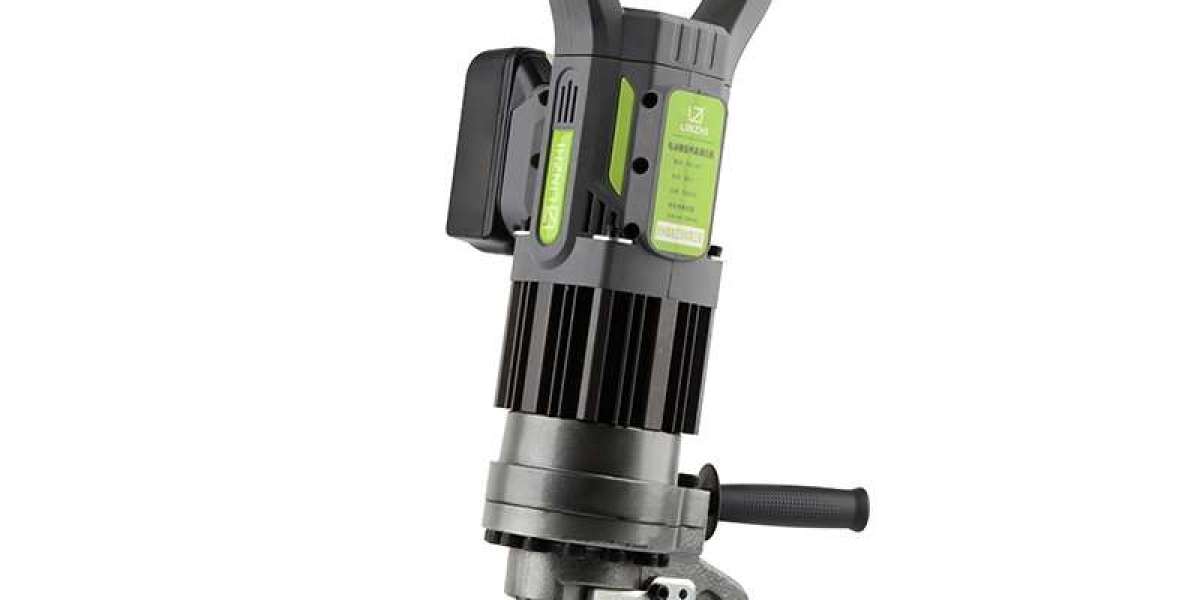

A punching machine serves as a fundamental tool in fabrication, applying concentrated force to create holes, shapes, or indentations in various materials. This equipment operates on a straightforward principle: a powered ram drives a punch tool through a workpiece into a matching die, shearing the material to produce a precise cut-out. Found in workshops and factories worldwide, the punching machine handles materials ranging from thin sheet metal and plastic to thicker plates, adapting its force and tooling to the task's requirements.
The versatility of a punching machine comes from its tooling system and control mechanisms. By changing the punch and die set, a single machine can produce different hole shapes and sizes—from simple circles and squares to complex custom profiles. Modern machines often feature Computer Numerical Control (CNC), which automates the positioning of the workpiece and the actuation of the punch. This allows for highly accurate, repeatable patterns to be executed rapidly from a digital design file, streamlining the production of parts like electrical enclosures, brackets, and decorative panels.
Operation of a punching machine requires attention to setup and safety. Proper alignment of the punch and die is critical for clean cuts and tool longevity. Operators must secure the workpiece and ensure hands are clear of the striking area, often using guards or two-handed controls. Factors like material type, thickness, and the desired edge quality determine the necessary tonnage and clearance settings. A well-maintained punching machine remains a reliable and efficient engine for component fabrication, transforming raw sheet stock into functional parts with consistent accuracy.