
How to Use Greenscreen Like a Pro in Commercial Production
Have you ever watched a high-budget ad and wondered how they managed to film a spokesperson on a tropical beach, inside a futuristic laboratory, and atop a snowy mountain all in one thirty-second spot? Unless they have a private jet and a very exhausted crew, the answer is almost certainly chroma keying. But we’ve all seen the alternative—the "cheap" version where the actor has a weird glowing green outline or their hair looks like it was cut out with safety scissors.
In the world of professional TV commercial production, greenscreen is a superpower, but only if you know how to wield it. When businesses invest in video marketing services, they aren't just looking for a background swap; they’re looking for a seamless, believable reality. Whether you’re a small brand trying to look global or a large corporation needing to scale your content, mastering the green screen is the key to unlocking unlimited creative potential.
The magic doesn't actually happen in the edit—it happens on set. If you don't get the "key" right during filming, no amount of post-production wizardry can fully save it. Let's pull back the curtain on how the pros make the impossible look completely natural.
The Philosophy of "Believable" Chroma Key
Why do some greenscreen shots fail the "eye test"? Usually, it’s because the lighting on the subject doesn't match the lighting of the background. Statistics show that viewers are 80% more likely to disengage from a video if the visual quality feels "off" or "fake" [source needed]. Our brains are incredibly good at spotting mismatched shadows and perspectives.
To pull off a professional look, you have to stop thinking about the green wall as a background and start thinking about it as a window into another world. Every decision you make on set—from the color of the actor's shirt to the height of the camera—must be dictated by the final environment you plan to drop in later.
1. Lighting the Screen vs. Lighting the Subject
This is the golden rule of TV commercial production: your talent and your background are two separate entities. If you try to light them with the same lamps, you’ll end up with shadows on the screen or "green spill" on your actor's skin.
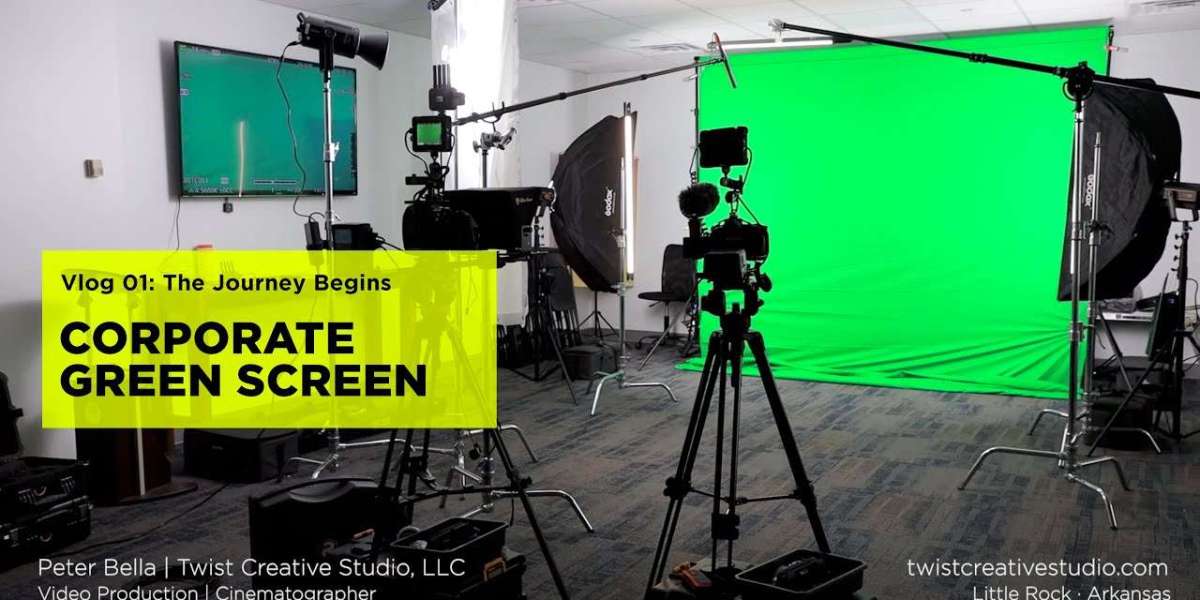
The Screen: It needs to be perfectly flat and evenly lit. Use "soft" lights to wash the screen in a consistent glow. If one corner is brighter than the other, your software will struggle to remove the color cleanly.
The Talent: Light your actor based on the final background. If the digital background is a sunset, use warm, orange-toned lights from the side.
The Separation: Keep your talent at least 6-10 feet away from the screen. This reduces the amount of green light reflecting off the screen and onto the back of their head or shoulders.
The "Spill" Struggle
Imagine filming a spokesperson for a high-end tech company. They’re wearing a crisp white shirt, but because they’re standing too close to the screen, the edges of their sleeves look slightly lime-green. That "spill" is a nightmare for editors. By creating distance and using a subtle "backlight," you can create a clean edge that makes the final composite look sharp and professional.
2. Choosing the Right Materials
Not all green is created equal. While you can technically "key" out any color, "Chroma Key Green" is a specific high-frequency hue that digital cameras are designed to isolate easily.
Paint vs. Fabric: If you have a permanent studio, matte chroma key paint is best because it doesn't wrinkle. If you’re on the go, high-quality wrinkle-resistant fabric is essential.
The Floor: If you need a full-body shot, you’ll need a "cyc" wall where the green curves from the wall to the floor. This eliminates the harsh line where the wall meets the ground.
Avoid Reflection: Ensure no one on set is wearing jewelry, glasses with high-glare coatings, or shiny fabrics. Anything reflective will catch the green and create "holes" in your subject.
3. Camera Settings: Precision is Everything
When you hire video marketing services, you’re paying for technical precision. To get a pro-level key, your camera settings need to be locked in.
Shutter Speed: Use a higher shutter speed to reduce "motion blur." If an actor waves their hand and it gets blurry, the green bleeds into the blur, making it impossible to get a clean edge.
Aperture: Avoid a super-shallow depth of field. If the back of the actor's hair is out of focus, it will blend into the green screen and disappear in the edit.
Resolution: Always shoot in the highest resolution possible (4K or higher). The more pixels the computer has to work with, the smoother the edges will be.
[Internal Link Suggestion: Top 5 Cameras for Professional Chroma Keying]
4. Matching Perspective and Focal Length
The fastest way to ruin a TV commercial production is to film your actor at eye level but use a background image taken from a high-angle "drone" perspective. The physics just don't match.
Before you hit record, look at your background plate. What lens was used? How high was the camera? You must match those variables exactly in the studio. If the background has a slight blur (bokeh), your studio shots should have a similar feel. Consistency in perspective is what tells the viewer’s brain, "Yes, this person is actually standing in that room."
5. The Power of Props and Foregrounds
Want to make your greenscreen look 10x more expensive? Use real props. If your actor is supposed to be standing behind a bar, don't use a digital bar—use a real one.
Interaction: When an actor can touch a physical object, their performance becomes more natural.
Depth: Placing a real plant or a piece of furniture in the "foreground" (between the camera and the actor) creates layers. This depth makes the digital background feel much further away and much more realistic.
[Internal Link Suggestion: Essential Props for Enhancing Your Commercial Shoots]
Transitioning from Studio to Screen
Do you ever feel like your content is stuck in the "standard" lane? Maybe you've avoided greenscreen because it felt too technical or "risky." But when you bridge the gap between imagination and execution, your brand’s story becomes limitless.
Ask yourself these questions before your next shoot:
Do I already have a high-quality "plate" (background) for this scene?
Is my talent far enough away from the wall to avoid that dreaded green glow?
Does the light on my actor's face match the light in the digital world I’m putting them in?
Mastering the Virtual Set
The future of video marketing services is leaning heavily into virtual production. From simple greenscreens to massive LED volumes, the goal remains the same: total immersion. By mastering these foundational tips, you ensure that your investment in TV commercial production translates into a polished, high-authority final product.
Ready to level up? Start by perfecting your lighting. Once you master the "soft wash" of a greenscreen, the rest of the pieces will fall into place. Your brand doesn't have to be limited by your office walls or your local weather—if you can dream it, you can key it.