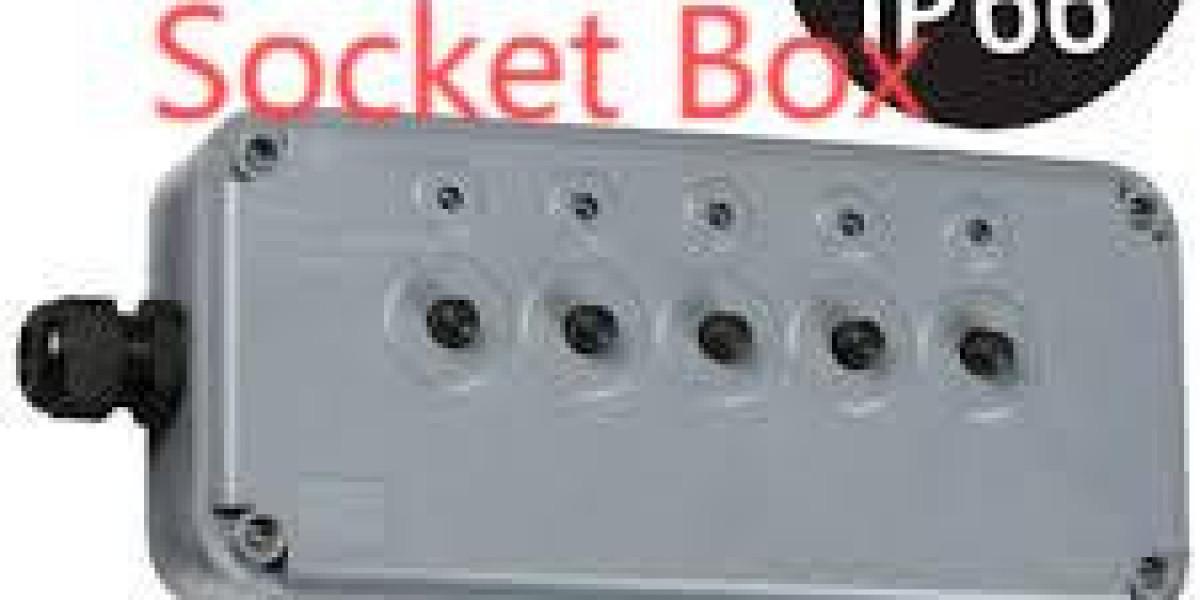

Outdoor power points must withstand weather, vandalism, and heavy use — a thoughtfully designed Outdoor Socket Box placed at the right access point protects equipment and users while simplifying maintenance. When planners prioritize ingress protection, ergonomic placement, and clear labeling, the Outdoor Socket Box becomes a dependable service interface rather than a recurring liability.
Why Proper Specification Matters
Every outdoor installation has trade-offs: aesthetics vs. robustness, accessibility vs. tamper-resistance, and cost vs. longevity. Specifying the right box means starting with the application — pedestrian plaza, roadside maintenance bay, sports field, or industrial loading dock — and matching materials, seals, and locking options to those real conditions. Getting this right prevents water ingress, contact corrosion, and accidental damage that can lead to outages or safety incidents.
Materials, Sealing, and Mechanical Protection
Material choice determines how the box survives years of exposure. UV-stable polymers and GRP (glass-reinforced polyester) resist fading and offer electrical isolation, while powder-coated steel or stainless steel options deliver impact resistance and a professional finish. Combine material selection with robust sealing strategies — continuous EPDM gaskets, dedicated drain channels, and dual-stage cable glands — to keep moisture and particulate out. For high-traffic areas, specify IK-rated faceplates and reinforced mounting bosses to resist knocks and abrasion.
Installer-Friendly Features That Save Time
Designs that consider the installer reduce mistakes and cost. Removable gland plates, captive screws, pre-punched knockouts, and labeled cable-entry zones let technicians pre-wire off-site and finish quickly in the field. Internal mounting rails or modular DIN-rail adaptors allow devices to be pre-mounted and swapped without reworking the whole enclosure. Clear, durable circuit labeling and color-coded faceplates speed commissioning and reduce human error during routine service.
Compatibility And Brand Integration: Schneider Options
When retrofit flexibility matters, compatibility with common accessories eases supply-chain headaches. Choose socket boxes that accept standard module sizes and mounting patterns so technicians can install protective devices or lockable inserts from brands like Schneider without cutting new panel openings. This interoperability lowers spare-part counts and shortens repair cycles when replacements are needed.
Security, Safety, And User Experience
Outdoor socket boxes should balance ease-of-use with theft and tamper prevention. Lockable covers, tamper-resistant screws, and recessed outlets deter casual interference while illuminated indicators or weatherproof LEDs provide visible status to users at night. Where safety is critical, incorporate RCDs or local isolators within the enclosure to protect against ground faults. Ergonomic considerations — handle positions, outlet heights, and unobstructed access — also improve long-term user satisfaction and reduce misuse.
Maintenance Practices That Extend Life
Routine inspection is inexpensive but effective: check gaskets for compression set, verify torque on terminal screws, and inspect for surface corrosion around fasteners. After storms or heavy dust events, clean drain channels and wipe seals to prevent grit abrasion. Keep a small stock of replaceable parts — gaskets, gland plates, and contact inserts — to enable rapid field repairs instead of full replacements.
Smart Additions And Remote Monitoring
Low-power sensors for humidity, temperature, and door-open status can be housed in sealed pockets to enable condition-based maintenance. Simple telemetry reduces emergency callouts by alerting technicians to seal failures or moisture ingress early. Consider integrating local surge protection where lightning or transients are common.
Sustainability And End-Of-Life Thinking
Design for repair and recyclability: use standard fasteners, separable materials, and modular inserts so worn components are replaced instead of discarding the entire assembly. Choosing recyclable materials and minimizing mixed-material bonds simplifies end-of-life processing and reduces environmental impact over many installations.
In short, a properly specified Outdoor Socket Box protects service continuity, reduces maintenance, and improves user safety. Matching materials, sealing, mounting, and accessories to the site’s real-world conditions turns a simple outlet into a reliable, long-lived service point. For product details, installation guidance, and authorized distributors, visit www.nante.com