
Introduction
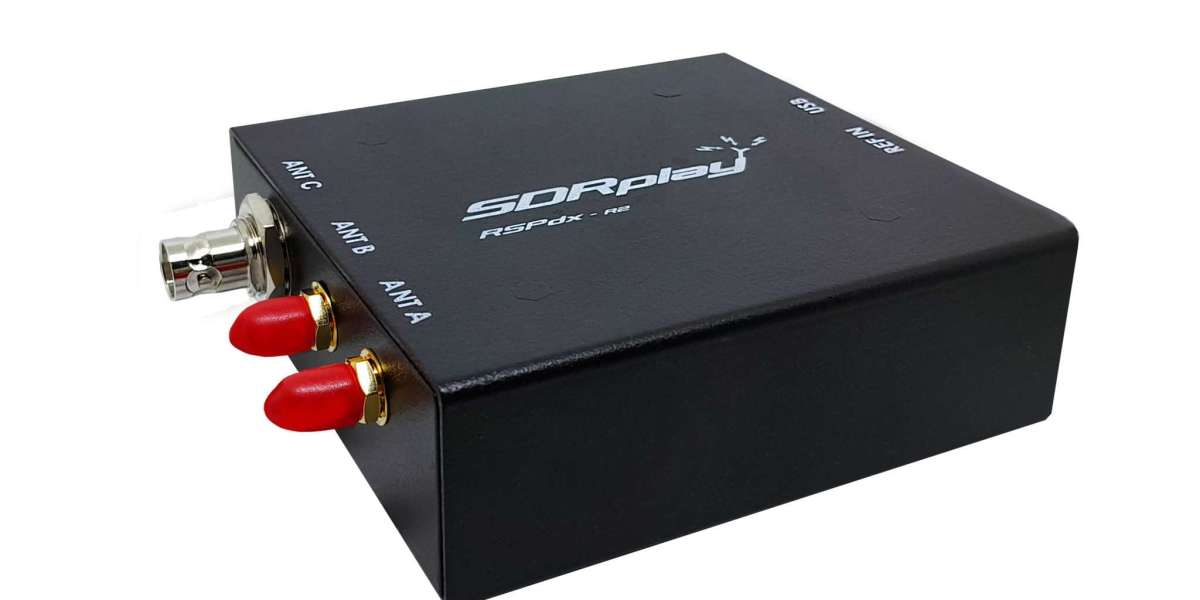
An SDRplay RF Receiver gives users a practical and flexible way to analyse radio signals in modern technical environments. It supports wideband monitoring, software based control, and detailed spectrum visibility, which makes it valuable for learning, testing, and signal observation. As wireless systems continue to expand across electronics and communication networks, this type of receiver helps users understand complex RF activity more effectively.
Traditional radio equipment often performs limited tasks through fixed hardware. In contrast, software defined technology allows a receiver to process signals through software, giving users more control over how signals are viewed and interpreted. Because of this, the SDRplay RF Receiver has become a strong option for users who need adaptability as well as performance.
What Makes the SDRplay RF Receiver Different
The SDRplay RF Receiver is built around the idea that radio analysis should be flexible. Instead of depending on one rigid hardware design, it works with software to support different listening and monitoring needs. This allows users to change settings, inspect activity, and respond to changing signal conditions without needing several separate devices.
That difference matters in real working environments. A user may need to monitor one band, examine interference, and then compare signal changes in another area of the spectrum. With software control, these shifts are easier to manage. As a result, the receiver becomes useful across a broad range of applications.
It also helps users see more than they would with a simple analogue setup. Real time displays, spectrum views, and waterfall data make signal behaviour easier to follow. Therefore, users can move from general observation to deeper analysis with greater confidence.
Why Software Defined Radio Supports Better Monitoring
Software defined radio improves monitoring because it replaces many fixed hardware limitations with adjustable software tools. This means the user can modify how the receiver behaves, often with more precision than with conventional equipment.
For example, software can help manage:
- Bandwidth selection
- Filter adjustment
- Gain control
- Signal display options
- Recording and playback functions
These features are especially useful in technical spaces where electronics, connectors, and cables are used close to communication systems. In such environments, the ability to inspect signals in detail helps users identify noise, verify operation, and reduce uncertainty.
Key Advantages of Using an SDRplay RF Receiver
Strong Flexibility for Different Tasks
One of the biggest strengths of an SDRplay RF Receiver is its versatility. It can support casual exploration, educational work, and more advanced technical analysis within the same general setup.
This makes it suitable for:
- Spectrum observation
- Signal discovery
- Communication studies
- Interference tracking
- Learning digital radio concepts
Because the receiver can adapt to different tasks, users often get more long term value from it.
Better Visibility Into Signal Behaviour
Signal problems are not always obvious. In some cases, a system may appear to work while still suffering from noise, overlap, or unstable performance. The SDRplay RF Receiver helps users move beyond assumptions by showing what is happening in the spectrum.
This visibility can be important when working around switches, contactors, LEDs, and related electrical equipment. Even though these components are not designed as radio tools, they may exist in environments where signal integrity matters. Clear observation supports better diagnosis and better planning.
Useful for Both Learning and Professional Work
Another advantage is that the SDRplay RF Receiver can serve users at different levels. Beginners can use it to understand basic radio behaviour, while more advanced users can study wider signal patterns and compare results across projects.
This wide appeal is one reason software defined radio continues to grow in popularity. It allows one platform to support both skill development and practical analysis.
Practical Applications in Modern Technical Settings
The SDRplay RF Receiver is relevant in many environments where signal awareness matters. Its value goes beyond simple listening and extends into testing, research, and technical support.
Education and Technical Training
In education, students often learn faster when theory is connected to real examples. A receiver that shows live radio activity can make abstract concepts easier to understand. Instead of only reading about tuning, filtering, or modulation, learners can see how those functions affect real signals.
This is especially useful in subjects linked to electronics, microcontrollers, controllers, and microprocessors. It helps bridge the gap between classroom learning and technical practice.
Development and Product Testing
Development teams often need to review how devices behave in live environments. If a system includes sensors, wireless communication, or embedded control functions, signal analysis becomes part of effective testing.
The SDRplay RF Receiver can support this process by helping users inspect surrounding RF conditions. It can also assist when comparing different setups involving laptops, cables, or connected modules. Therefore, it becomes easier to identify outside influences that may affect device performance.
Research and Signal Observation
For research work, flexibility is critical. Users may want to observe signal patterns over time, compare locations, or review recordings later. A software defined receiver supports this style of work by giving users more control over how signals are captured and reviewed.
Factors That Affect Performance
Although the SDRplay RF Receiver offers strong capability, results still depend on good setup and careful use. Performance is influenced by both hardware quality and the surrounding environment.
Important factors to consider include:
- Reliable connectors and clean cables
- Stable software installation
- Reduced electrical noise near the workspace
- Suitable antenna setup
- Consistent power conditions
Physical organisation also plays a role. In technical spaces where thermal pads, oils, tools, and component storage are present, neat arrangement improves workflow and reduces avoidable issues. While these items do not define RF analysis directly, a well managed environment supports better results.
Best Practices for Effective RF Analysis
Users can improve their experience with an SDRplay RF Receiver by following a few simple practices. Good habits often make the difference between basic operation and reliable analysis.
Helpful steps include:
- Begin with a clean spectrum scan
- Save recordings for comparison
- Adjust filters gradually instead of all at once
- Keep the receiver away from obvious noise sources
- Use stable connections throughout the setup
Safety should also remain important. In areas where powered systems, fuses, or industrial electronics are in use, proper handling is essential. Appropriate safety measures, including the use of secure grips and suitable workspace controls, help protect both the user and the equipment.
Why Interest in SDR Continues to Grow
Interest in software defined radio keeps increasing because wireless activity is now part of many industries and daily systems. As more devices depend on digital communication, users need better ways to inspect and understand the signals around them.
The SDRplay RF Receiver fits that need by offering flexibility, visibility, and broad practical value. It supports everything from beginner learning to more advanced signal review. Because of that balance, it remains a smart choice for a wide range of users.
Conclusion
The SDRplay RF Receiver improves RF analysis by giving users a clearer, more flexible way to monitor and interpret radio signals. Its software defined design supports signal discovery, spectrum observation, and practical troubleshooting in a single platform.
Whether it is used for education, technical development, or ongoing research, this receiver helps users build stronger insight into complex signal environments. For anyone working with electronics, sensors, controllers, laptops, microcontrollers, and related systems, it offers a reliable foundation for smarter RF analysis.