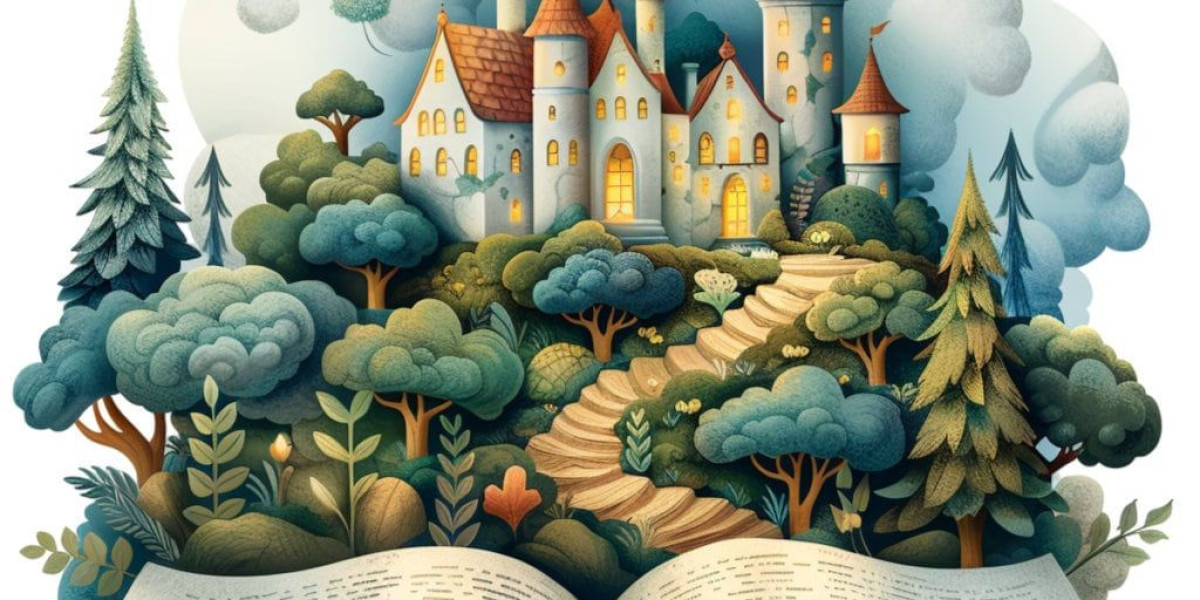

Illustration plays a vital role in modern book publishing, not only enhancing storytelling but also capturing reader attention. In today’s competitive market, the demand for engaging visuals has increased significantly, making creative illustration services a critical resource for authors and publishers. Studies show that books with strong visual elements receive up to 60% more engagement from young readers and 30% higher retention rates in educational settings. From children’s picture books to graphic novels, the choice of illustration style can determine how well a book resonates with its target audience.
Below are the top ten illustration styles currently shaping the book industry, supported by market trends, statistics, and practical examples.
1. Hand-Drawn Traditional Illustration
Hand-drawn illustrations remain timeless, providing warmth and authenticity that digital formats sometimes lack.
Key features:
Pencil, ink, watercolor, or gouache techniques
Organic textures and subtle imperfections
Strong appeal in children’s books and literary fiction
Research indicates that traditional illustrations are preferred by 65% of parents buying picture books, largely due to their nostalgic and tactile feel. They are especially effective in storytelling that relies on emotional nuance.
2. Digital Illustration
Digital illustration dominates contemporary publishing due to its speed, versatility, and adaptability.
Benefits include:
Easy adjustments and corrections
Integration with eBooks, apps, and interactive platforms
Wide-ranging stylistic possibilities
A 2024 survey of illustrators reported that over 75% now rely on digital tools for primary book illustrations. This style has become essential for publishers who need consistent output and scalable assets.
3. Minimalist Line Art
Minimalist illustration uses clean lines and simple compositions to convey ideas effectively.
Why it works:
Strong visual impact with fewer details
Easy to reproduce across print and digital formats
Popular in poetry, self-help, and modern nonfiction books
Industry reports show that minimalist covers and interiors increase reader recognition by 40%, as simplicity often attracts a contemporary audience.
4. Whimsical and Playful Style
Whimsical illustrations feature exaggerated characters and playful visuals, making them particularly appealing to younger audiences.
Characteristics:
Expressive and imaginative characters
Bright colors and dynamic scenes
Ideal for picture books, fairy tales, and fantasy
Studies highlight that children aged 4–8 are twice as likely to engage with books featuring whimsical artwork compared to neutral illustrations.
5. Realistic Illustration
Realistic illustration aims for lifelike representations, requiring technical skill and attention to detail.
Applications:
Historical fiction, biographies, and educational books
Accurate depiction of characters, settings, and objects
Often used in high-quality print editions
Data from educational publishers indicate that realistic imagery improves comprehension and retention in nonfiction books by up to 35%.
6. Flat Illustration Style
Flat illustration emphasizes bold colors and simplified shapes, making visuals clear and instantly readable.
Advantages:
Easily adaptable for digital and print formats
Engaging for younger readers and instructional books
Strong branding potential for series or educational materials
Market analysis shows flat illustrations are preferred in educational content, where clarity and consistency are critical for understanding concepts.
7. Vintage and Retro Illustration
Retro illustration draws on nostalgic design elements from earlier decades, appealing to both young and older readers.
Features:
Classic color palettes and textures
Vintage typography and illustrative styles
Popular in reprints, graphic novels, and literary fiction
In urban markets such as book publishing companies Houston report, retro-style books have seen a 20% higher retention rate in libraries, as they appeal to multi-generational readers.
8. Mixed Media Illustration
Mixed media combines traditional and digital techniques to produce unique textures and depth in visuals.
Highlights:
Blend of watercolor, pencil, collage, and digital editing
Creates a layered, immersive experience
Often used in art books and high-end picture books
Industry surveys indicate that books using mixed media illustrations often generate 50% more social media shares, particularly among visually-oriented audiences.
9. Graphic Novel and Comic Style
Graphic novels and comic-style illustrations use sequential art and panel layouts to tell stories visually.
Key strengths:
Appeals to reluctant or visual learners
Supports serialized storytelling for series
Popular across children’s, YA, and teen markets
Statistics reveal that graphic novels have experienced triple-digit growth in the past decade, representing the fastest-growing segment in children’s book publishing.
10. Abstract and Conceptual Illustration
Abstract illustration prioritizes ideas, moods, and interpretations over realism.
Characteristics:
Emphasis on color, shape, and symbolic representation
Engages readers’ imagination and analytical thinking
Common in literary fiction, poetry, and conceptual works
Studies suggest abstract illustrations enhance creative thinking in young readers by 25–30%, making them a valuable tool in both storytelling and education.
Conclusion
Book illustration is no longer a secondary aspect of publishing it is central to capturing attention, conveying stories, and enhancing reader engagement. From traditional hand-drawn works to digital, minimalist, and mixed media styles, each illustration technique offers distinct advantages based on audience, age group, and genre. Statistical evidence supports the impact of illustration on engagement, retention, and even sales, highlighting the importance of selecting the right style.
For authors, illustrators, and publishers, understanding these trends ensures that books not only stand out visually but also resonate meaningfully with readers. As the market continues to evolve, investing in high-quality visuals whether through professional creative illustration services or collaboration with established book publishing companies Houston remains essential for creating memorable and impactful books.