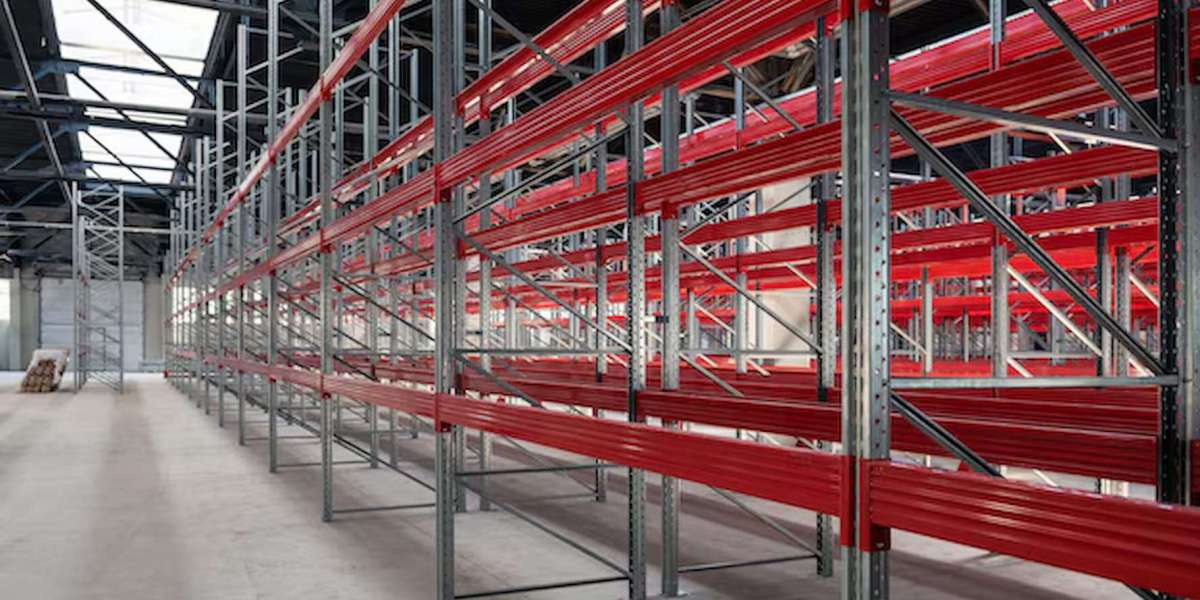

Efficient storage systems are the backbone of modern warehouses and industrial facilities. As businesses expand and inventory volumes increase, the need for organised, scalable, and space saving solutions becomes essential. Industrial pallet racking has emerged as one of the most effective storage systems for managing palletised goods in a structured and efficient manner.
Industrial pallet racking not only improves storage capacity but also enhances workflow, safety, and inventory control. It enables warehouses to operate smoothly by providing a clear structure for storing and retrieving goods. This article explores industrial pallet racking in detail, covering its features, benefits, and importance in achieving efficient storage.
Understanding Industrial Pallet Racking
Definition and Core Concept
Industrial pallet racking is a storage system designed to hold palletised goods on multiple levels using a framework of vertical frames and horizontal beams. It allows warehouses to utilise vertical space effectively, which is often underused in traditional storage setups. This vertical expansion significantly increases storage capacity.
The system is designed to support easy access to pallets using forklifts or other handling equipment. Each pallet is placed in a designated position, ensuring organised storage. This structured approach helps reduce clutter and improves overall warehouse efficiency.
Key Components of the System
Industrial pallet racking systems consist of several important components that ensure stability and functionality. Upright frames provide vertical support, while horizontal beams hold the pallets in place. Additional elements such as base plates, braces, and safety locks enhance the strength of the structure.
Accessories like pallet supports, wire decking, and column protectors further improve safety and usability. Each component plays a vital role in maintaining the integrity of the system. Proper installation and maintenance ensure that these components work together effectively.
Types of Industrial Pallet Racking
Selective Pallet Racking
Selective pallet racking is the most commonly used type of industrial pallet racking. It allows direct access to every pallet, making it ideal for warehouses with a wide variety of products. This system is simple to use and highly flexible.
It is particularly suitable for operations that require frequent picking and quick access to goods. Although it offers lower storage density compared to other systems, its accessibility makes it a popular choice.
High Density Racking Systems
High density systems such as double deep and drive in racking provide increased storage capacity by reducing aisle space. These systems are designed for bulk storage where large quantities of similar products are stored together.
While accessibility may be slightly reduced, the benefit of higher storage density often outweighs this limitation. These systems are ideal for warehouses looking to maximise space utilisation.
Dynamic Racking Solutions
Dynamic racking systems such as pallet flow and push back racking use gravity to move pallets within the structure. These systems improve efficiency by reducing the need for manual handling.
They are particularly useful in high turnover environments where speed and accuracy are important. Dynamic systems support efficient stock rotation and enhance workflow.
Benefits of Industrial Pallet Racking
Maximising Storage Space
One of the most significant advantages of industrial pallet racking is its ability to maximise storage space. By utilising vertical height, warehouses can store more goods without increasing their footprint. This is especially beneficial in facilities with limited floor space.
Maximising storage space allows businesses to accommodate growing inventory without expanding their premises. It also leads to better organisation and improved efficiency.
Improving Inventory Management
Industrial pallet racking provides a structured storage system that improves inventory management. Each pallet has a designated location, making it easier to track and manage stock. This reduces the chances of misplaced items and errors.
Improved inventory management leads to better control over stock levels and more accurate record keeping. It also supports efficient order fulfilment and customer satisfaction.
Enhancing Operational Efficiency
Faster Retrieval and Storage
Industrial pallet racking enables quick storage and retrieval of goods. Forklifts can easily access pallets, reducing the time required for handling operations. This improves overall productivity and efficiency.
Faster retrieval times are essential in busy warehouses where speed is critical. Efficient handling processes ensure smooth operations and timely delivery of goods.
Streamlined Workflow
A well organised racking system contributes to a streamlined workflow. Clear storage zones and logical layout design reduce unnecessary movement within the warehouse. This allows employees to perform tasks more efficiently.
Streamlined workflow improves coordination and reduces operational delays. It creates a more productive working environment and enhances overall performance.
Design and Planning Considerations
Load Capacity and Structural Integrity
When implementing industrial pallet racking, it is important to consider load capacity and structural integrity. The system must be designed to handle the weight of stored goods safely. Proper engineering ensures that the structure remains stable under load.
Using high quality materials and following safety standards are essential for reliable performance. Regular inspections help maintain the integrity of the system.
Layout and Space Optimisation
Effective layout planning is crucial for maximising the benefits of industrial pallet racking. The arrangement of racks and aisles should support efficient movement of equipment and personnel. A well planned layout reduces congestion and improves accessibility.
Space optimisation ensures that every part of the warehouse is used effectively. It also allows for future expansion and adaptability.
Flexibility and Scalability
Customisation Options
Industrial pallet racking systems can be customised to meet specific storage requirements. They can accommodate different pallet sizes, product types, and operational needs. This flexibility makes them suitable for various industries.
Customisation allows businesses to design a system that aligns with their workflow. It ensures that the storage solution remains effective over time.
Supporting Business Growth
As businesses grow, their storage needs increase. Industrial pallet racking provides a scalable solution that can be expanded as required. Additional levels or sections can be added without major structural changes.
This scalability supports long term growth and reduces the need for relocation. It ensures that the warehouse can handle increasing inventory efficiently.
Safety and Maintenance
Ensuring Workplace Safety
Safety is a critical aspect of industrial pallet racking systems. Proper installation and adherence to safety guidelines ensure that the system operates securely. Training employees on correct handling practices further enhances safety.
Safety features such as guards and barriers help protect the structure and prevent accidents. A safe working environment is essential for smooth operations.
Routine Maintenance Practices
Regular maintenance is necessary to ensure the longevity of industrial pallet racking. This includes inspecting components, repairing damage, and keeping the system clean. Proper maintenance ensures consistent performance.
Routine checks help identify potential issues early, reducing downtime and repair costs. A well maintained system supports efficient and reliable operations.
Cost Efficiency and Sustainability
Reducing Storage Costs
Industrial pallet racking helps reduce storage costs by improving space utilisation. By storing more goods within the same area, businesses can lower their overall expenses. This includes savings on infrastructure and utilities.
Efficient storage systems also reduce labour costs by improving productivity. Over time, these savings contribute to better financial performance.
Supporting Sustainable Practices
Industrial pallet racking supports sustainable practices by making efficient use of resources. It reduces the need for additional construction and minimises energy consumption. This helps businesses lower their environmental impact.
Sustainable operations are increasingly important in modern industries. Efficient storage solutions contribute to long term environmental and economic benefits.
Conclusion
Industrial pallet racking is an essential solution for achieving efficient storage in modern warehouses. Its ability to maximise space, improve organisation, and enhance operational efficiency makes it a valuable asset for businesses of all sizes. From faster access to goods to better inventory management, the benefits of industrial pallet racking are extensive and impactful.
With proper planning, design, and maintenance, industrial pallet racking systems provide long term value and support business growth. They enable organisations to optimise their storage capabilities while maintaining a safe and organised environment.
Dalvie Systems offers dependable and innovative solutions that help businesses implement industrial pallet racking effectively, ensuring efficient storage and long term success.