
Skin tags are common, benign skin growths that many people find unsightly or uncomfortable. While they rarely pose health risks, their appearance can affect confidence and self-esteem. Choosing the right removal method is essential to ensure effectiveness, safety, and minimal scarring. Understanding how dermatologists decide on the best approach can help patients feel more confident about their options, especially for those seeking Skin Tag Removal in Dubai.
Comprehensive Skin Evaluation
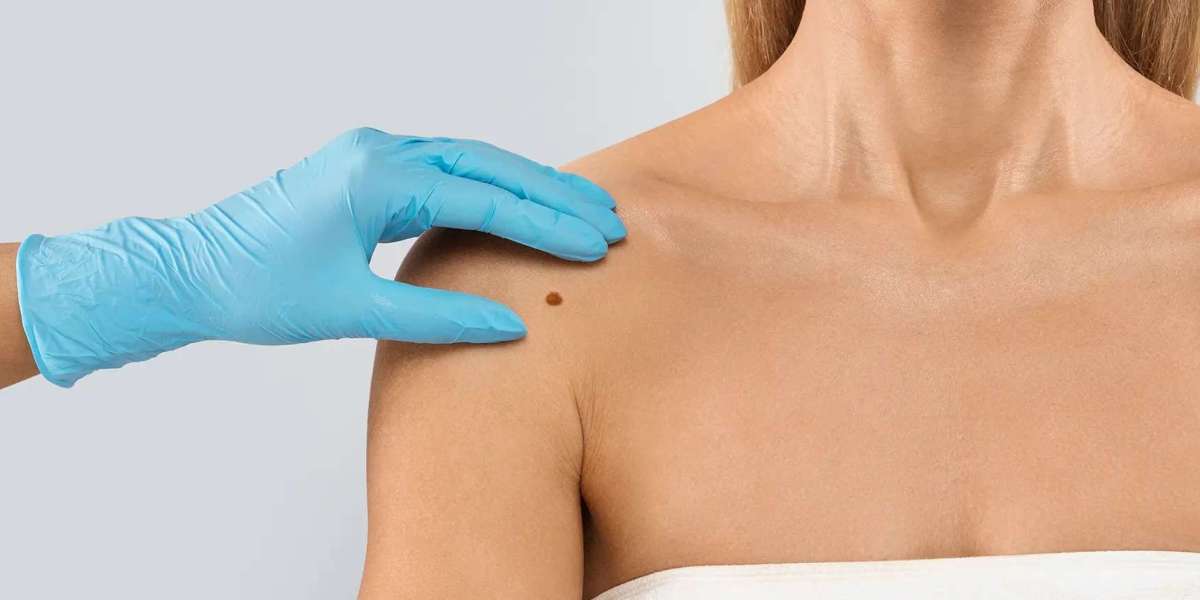
Before recommending any removal technique, dermatologists conduct a thorough skin evaluation. This assessment includes examining the size, location, and number of skin tags, as well as evaluating the surrounding skin’s condition. Certain areas, such as the neck, underarms, or eyelids, require more delicate handling due to sensitivity and the risk of irritation.
During this evaluation, dermatologists also look for signs that the growth might not be a simple skin tag. Differentiating skin tags from other growths, such as moles or warts, is crucial. Misdiagnosis could lead to inappropriate treatment or complications, making the initial evaluation a critical step in the removal process.
Understanding Patient Health and History
A key factor in determining the removal method is the patient’s overall health and medical history. Conditions such as diabetes, skin infections, or bleeding disorders can influence which techniques are safe and effective. Additionally, dermatologists consider any history of keloid or hypertrophic scarring, as some procedures may increase the risk of abnormal scarring in susceptible individuals.
Patient lifestyle and preferences also play a role. Some patients may prefer minimally invasive procedures to reduce downtime, while others may prioritize methods that provide quicker results. Understanding these factors allows dermatologists to create a customized removal plan tailored to each individual.
Evaluating Removal Techniques
Dermatologists have a range of techniques at their disposal, each suited to different types of skin tags.
- Cryotherapy involves freezing the skin tag with liquid nitrogen. It’s highly effective for small, superficial tags and minimizes bleeding.
- Electrocautery uses a small electrical current to burn off the tag, which can be ideal for medium-sized growths.
- Excision or snipping with sterile scissors or scalpels is often used for larger tags, providing immediate results while allowing precise control.
- Ligation involves tying off the base of the tag, cutting off its blood supply, causing it to fall off over time.
The choice of technique depends on the tag’s characteristics, patient preferences, and the dermatologist’s expertise. Safety, healing time, and cosmetic outcomes are carefully weighed to ensure optimal results.
Considering Skin Type and Healing Factors
Skin type and color are important considerations in selecting a removal method. Dermatologists are cautious to minimize pigmentation changes or scarring, which can be more noticeable in darker skin tones. Healing tendencies also vary from person to person, so the dermatologist must assess how quickly and cleanly the skin is likely to recover.
Special attention is given to sensitive areas, such as the face or neck, where precision is essential to avoid visible marks. Proper aftercare guidance is also provided to support healing, reduce the risk of infection, and enhance cosmetic outcomes.
Patient Education and Informed Decisions
An essential part of the process is patient education. Dermatologists discuss the pros and cons of each method, potential side effects, recovery timelines, and realistic expectations. This conversation empowers patients to make informed decisions and feel confident about the chosen approach.
They also explain post-procedure care, including keeping the area clean, monitoring for infection, and avoiding irritation. Understanding the aftercare process improves outcomes and ensures that the skin heals smoothly.
Follow-Up and Monitoring
Follow-up appointments are a standard part of the skin tag removal process. These visits allow dermatologists to monitor healing, address any complications early, and provide guidance for additional treatments if necessary. For patients with multiple skin tags or recurring growths, regular monitoring helps maintain skin health and prevents future issues.
Tailored Approach for Optimal Results
Every patient is unique, and dermatologists emphasize a tailored approach to skin tag removal. By combining careful evaluation, consideration of health and skin type, expert selection of removal techniques, and thorough patient education, dermatologists ensure safe and effective outcomes.
Patients seeking Enfield Royal Clinic can expect a personalized, professional approach that prioritizes both aesthetics and safety. The right technique not only removes the tag but also supports healthy, smooth skin with minimal risk of scarring.