
Why Are Autoimmune Diseases on the Rise Globally in 2025?
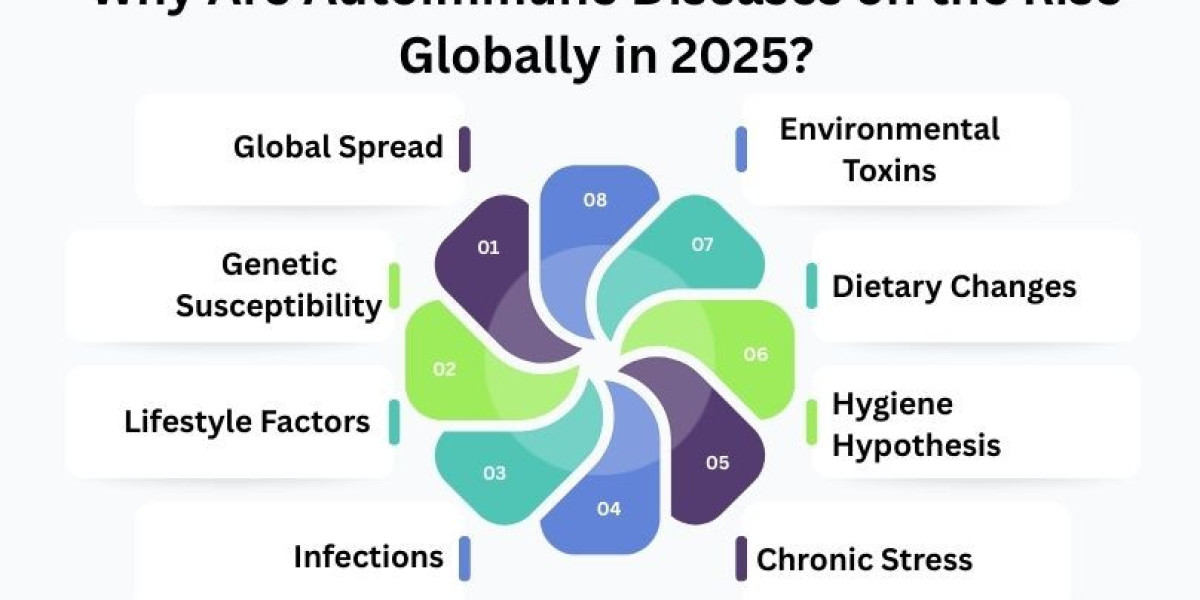
Autoimmune diseases are rising globally due to a combination of environmental factors like pollution and chemicals and lifestyle changes such as modern diets, stress, and reduced physical activity. Other contributing factors include genetic predisposition, changes in the gut microbiome, and an increased prevalence of infections, with some research suggesting a link to climate change as well. Why Are Autoimmune Diseases on the Rise Globally in 2025? Autoimmune diseases—conditions in which the immune system mistakenly attacks the body’s own tissues—are growing in prevalence worldwide. In 2025, researchers, clinicians, and public health experts observe several interacting causes behind this increase. Understanding these drivers is crucial for prevention, diagnosis, and treatment.
What human beings are asking today is simple but powerful: Why is this happening now?
The answer lies in a complex mix of modern living, environmental exposure, lifestyle habits, and how our immune system is shaped over time.
Understanding Autoimmune Disease in Simple Terms
Your immune system is meant to recognize threats like bacteria and viruses and destroy them. In autoimmune diseases, this system becomes confused and starts attacking healthy cells, tissues, or organs. The result is chronic inflammation, pain, fatigue, and long-term health complications.
Autoimmune diseases don’t appear overnight. They develop slowly, often triggered by a combination of genetic vulnerability and environmental stressors.
1. We Are Diagnosing More Than Ever Before
One important reason autoimmune diseases seem to be increasing is that medicine has improved.
In the past, many people lived for years with unexplained symptoms—joint pain, gut problems, brain fog, extreme fatigue—without clear answers. Today, advanced blood tests, imaging tools, and specialist awareness mean these conditions are being identified earlier and more accurately.
So yes, part of the rise is because we are finally putting a name to what was once misunderstood.
2. Our Environment Has Changed Faster Than Our Bodies
Human biology hasn’t changed much in the last hundred years—but our environment has changed dramatically.
We are exposed daily to:
Air pollution
Pesticides and chemicals in food
Plastics and industrial toxins
Heavy metals and endocrine disruptors
These substances can quietly interfere with immune regulation. For people with genetic sensitivity, long-term exposure can push the immune system into a chronic inflammatory state—one of the key drivers of autoimmune disease.
3. The Modern Diet Is Harming the Immune System
Food today is very different from what humans ate for thousands of years.
Ultra-processed foods, excess sugar, refined carbohydrates, unhealthy fats, and artificial additives have become the norm. At the same time, fiber-rich whole foods are disappearing from many diets.
This shift directly impacts the gut microbiome, the community of bacteria that plays a major role in immune balance. When gut bacteria become imbalanced, the immune system becomes more reactive, increasing the risk of autoimmune responses.
Simply put: a damaged gut often leads to a confused immune system.
4. The Hygiene Paradox: Too Clean Isn’t Always Better
Modern hygiene has saved lives—but it has also created an unexpected problem.
Children today grow up with:
Less outdoor play
Fewer natural microbial exposures
More antibacterial products
Frequent antibiotic use
This can prevent the immune system from learning how to regulate itself properly. Without early exposure to diverse microbes, the immune system may overreact later in life, increasing the risk of allergies and autoimmune diseases.
This doesn’t mean hygiene is bad—but immune education matters.
5. Chronic Stress Is Quietly Weakening Immune Balance
Stress is no longer occasional—it’s constant.
Deadlines, financial pressure, digital overload, poor work-life balance, and emotional strain all contribute to chronic stress, which directly affects immune function.
When stress hormones stay elevated for long periods:
Inflammation increases
Immune regulation weakens
Autoimmune flare-ups become more likely
Stress doesn’t cause autoimmune disease by itself—but it can trigger or worsen it.
6. Poor Sleep and Sedentary Lifestyles Add Fuel to the Fire
Modern life often sacrifices sleep and movement.
Late nights, screen exposure, irregular schedules, and long hours of sitting disrupt natural immune rhythms. Poor sleep interferes with immune repair, while inactivity increases inflammation.
Over time, these factors silently push the immune system out of balance, making autoimmune conditions more likely to develop or worsen.
7. Infections Can Act as Triggers
Certain viral or bacterial infections can confuse the immune system through a process called molecular mimicry, where the immune system attacks both the infection and similar-looking healthy tissue.
Not everyone exposed to infections develops autoimmune disease, but in genetically vulnerable individuals, infections can act as the final trigger.
8. Genetics Loads the Gun, Environment Pulls the Trigger
Autoimmune diseases often run in families, showing that genetics matter. However, genes alone don’t explain the rapid rise.
Think of genetics as risk potential, while lifestyle and environment determine whether the disease actually appears.
This explains why two people with similar genes can have very different health outcomes depending on diet, stress, exposure, and immune health.
9. Aging Populations and Immune Changes
As people live longer, age-related immune changes become more common. With age, the immune system becomes less precise and more inflammatory—a process sometimes called inflammaging.
This increases autoimmune risk, especially when combined with modern lifestyle stressors.
Conclusion: Why Are Autoimmune Diseases on the Rise Globally in 2025?
The rise in autoimmune diseases is not random—it reflects how modern life is reshaping immune health.
Supporting gut health, reducing toxic exposure, managing stress, improving sleep, eating whole foods, and staying physically active can all help restore immune balance.
While autoimmune diseases cannot always be prevented, early awareness and healthier living can make a powerful difference.
Frequently Asked Questions (FAQ): Why Are Autoimmune Diseases on the Rise Globally in 2025?
1. Are autoimmune diseases really increasing worldwide?
Yes. More people across all regions are being diagnosed, especially in urban and industrialized areas.
2. Can autoimmune diseases be prevented?
Not always, but healthy lifestyle choices can significantly reduce risk and severity.
3. Is diet really that important for immune health?
Absolutely. Diet directly affects gut bacteria, inflammation, and immune balance.
4. Does stress really trigger autoimmune disease?
Chronic stress can worsen immune dysfunction and trigger flare-ups.
5. Are autoimmune diseases lifelong?
Many are chronic, but symptoms can often be managed or reduced with proper care.
6. Why do women develop autoimmune diseases more often?
Hormones, immune sensitivity, and genetic factors play a role.
7. Can children develop autoimmune diseases?
Yes, although risk often increases with age and environmental exposure.
8. Is the immune system weak in autoimmune disease?
Not weak—misdirected. It’s often overactive rather than underactive.