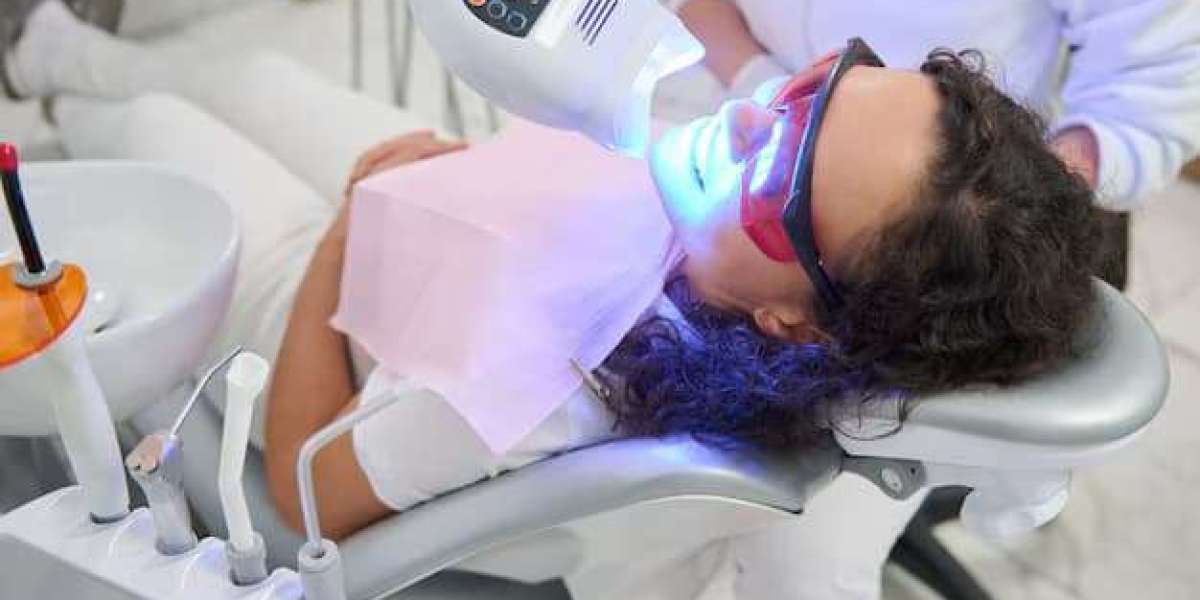

Many people desire a brighter smile, which makes teeth whitening treatment one of the most popular cosmetic dental procedures. Despite its widespread use, numerous misconceptions surround this treatment. These myths can create confusion, hesitation, or unrealistic expectations. Understanding the facts about teeth whitening is essential for anyone considering this option. This article addresses common myths, separating fact from fiction to provide clear, accurate information about teeth whitening treatments and their effects.
Myth 1: Teeth Whitening Damages Tooth Enamel
One common misconception is that teeth whitening causes irreversible damage to tooth enamel. Many people fear that bleaching agents weaken or erode the protective outer layer of teeth.
How Teeth Whitening Affects Enamel
Modern whitening treatments use carefully formulated bleaching agents, such as hydrogen peroxide or carbamide peroxide, in concentrations safe for dental enamel. When applied correctly under professional supervision, these agents break down stains without compromising enamel integrity. Research shows that whitening, when performed appropriately, does not cause structural harm.
Importance of Professional Supervision
At-home whitening kits with unregulated concentrations or improper use can increase risks. Professional treatment ensures the right strength and application method, minimizing the chance of enamel damage and other side effects.
Myth 2: Teeth Whitening Works Permanently
Another widespread belief is that teeth whitening results last forever. Some expect a single treatment to provide a lifelong bright smile.
Factors Influencing Whitening Longevity
The effects of teeth whitening typically last from several months up to a few years, depending on lifestyle factors. Consumption of staining substances such as coffee, tea, red wine, and tobacco can cause discoloration to return over time.
Maintenance and Touch-Up Treatments
Maintaining a bright smile involves good oral hygiene and avoiding foods or habits that cause staining. Periodic touch-up treatments, either professionally or with at-home products, help sustain whitening results.
Myth 3: Whitening Makes Teeth Sensitive for a Long Time
Tooth sensitivity after whitening is a concern for many, with some believing sensitivity is severe and long-lasting.
Sensitivity Is Usually Temporary and Mild
While some patients may experience temporary sensitivity due to bleaching agents, this typically resolves within a few days. Sensitivity often occurs when nerves in the teeth react to the whitening process, but it is generally mild and manageable.
Methods to Reduce Sensitivity
Using desensitizing toothpaste, limiting treatment duration, and choosing professional care tailored to individual needs can help minimize sensitivity. Dentists can also recommend appropriate products or alternative treatments for patients prone to sensitivity.
Myth 4: Whitening Removes All Types of Stains
Many assume that teeth whitening is effective for every kind of tooth discoloration, but this is not always the case.
Types of Stains and Their Response to Whitening
Extrinsic stains, which develop on the tooth surface due to food, drinks, or smoking, respond well to whitening. However, intrinsic stains caused by trauma, certain medications, or fluorosis are more resistant and may not respond fully.
Alternative Treatments for Resistant Stains
For intrinsic discoloration, other cosmetic procedures like veneers or bonding might be more suitable. A professional dental consultation helps determine the best treatment for individual staining types.
Myth 5: Over-The-Counter Whitening Products Are Just as Effective as Professional Treatments
Many people believe that over-the-counter whitening products can deliver the same results as professional treatments, often leading to frustration or disappointment.
Differences in Strength and Customization
Professional whitening uses stronger bleaching agents and custom-fitted trays or in-office techniques to ensure even application and better results. Over-the-counter options usually have lower concentrations, which can limit their effectiveness.
Risks of Using Unregulated Products
Incorrect use of over-the-counter products may cause uneven whitening, increased sensitivity, or gum irritation. Professional supervision reduces these risks and improves safety.
Myth 6: Whitening Is Harmful for Dental Restorations
Another myth is that whitening treatments can negatively affect dental restorations such as crowns, veneers, or fillings.
Whitening Effects on Natural Teeth vs. Restorations
Teeth whitening targets natural tooth enamel and does not change the color of dental restorations. While whitening treatments are safe, restorations will not lighten, which can lead to color mismatches if restorations are present.
Planning Treatment with Restorations in Mind
Dentists can evaluate existing restorations and plan whitening treatments accordingly. In some cases, replacing restorations after whitening may be recommended to achieve a consistent appearance.
Myth 7: Whitening Is Only for Cosmetic Reasons
While whitening is often chosen for aesthetic improvement, it also has benefits beyond appearance.
Boosting Confidence and Oral Hygiene
A brighter smile can enhance self-esteem and social confidence. Patients motivated by cosmetic results may also adopt better oral hygiene habits, improving overall dental health.
Whitening as Part of a Comprehensive Dental Plan
Teeth whitening can complement other dental treatments and encourage regular dental visits. It is one aspect of maintaining a healthy and attractive smile.
Myth 8: Whitening Is Painful and Involves a Long Recovery
Some individuals worry that whitening treatments are uncomfortable and require significant recovery time.
Treatment Is Generally Quick and Comfortable
Most whitening procedures are painless, lasting between 30 minutes to an hour for in-office treatments. At-home treatments involve wearing trays for a set time daily, usually causing minimal discomfort.
No Significant Downtime Required
Patients can resume normal activities immediately after treatment. Mild sensitivity or gum irritation may occur but resolves quickly.
Conclusion
Understanding the truth behind common myths about teeth whitening treatment helps individuals make informed decisions about their dental care. Professional whitening is a safe, effective, and convenient way to enhance smile brightness when approached with realistic expectations. Awareness of limitations, maintenance needs, and proper care maximizes treatment success and satisfaction. For those seeking expert advice and high-quality whitening services, puridentistry offers comprehensive solutions tailored to individual needs and goals.
Click here to access expert oral health advice in Oxnard.