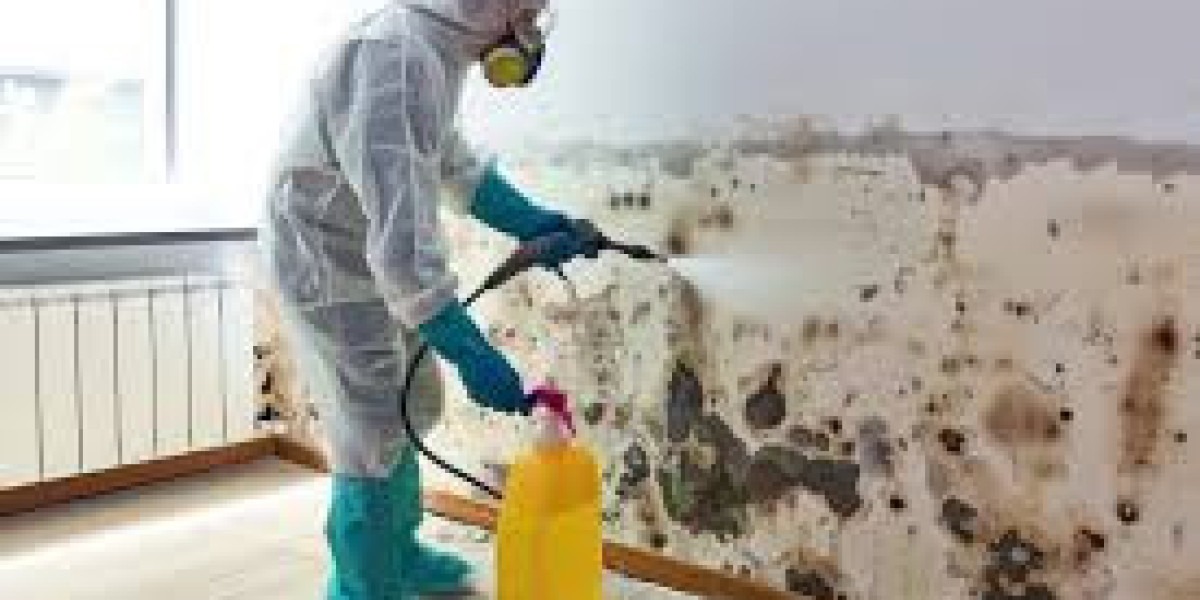

Mold remediation is the process of identifying, containing, removing, and preventing mold growth inside residential and commercial properties. Mold is more than just an unsightly problem—it can damage building materials, reduce indoor air quality, and cause serious health issues if left untreated. Understanding how mold remediation works and why professional treatment matters can help protect your property and your health.
What Is Mold Remediation?
Mold remediation refers to the systematic removal of mold and the correction of the underlying moisture problems that allow it to grow. Unlike simple mold cleaning, remediation focuses on long-term solutions, not temporary fixes. This process includes inspection, containment, air filtration, mold removal, cleaning, and prevention.
Mold can grow on walls, ceilings, carpets, HVAC systems, and even furniture. Common indoor molds include Aspergillus, Cladosporium, and Stachybotrys (black mold).
Signs You Need Mold Remediation
You may need mold remediation if you notice:
A persistent musty or earthy odor
Visible mold patches on walls, ceilings, or floors
Water damage or recent flooding
Allergic reactions such as coughing, sneezing, or skin irritation
Peeling paint or warped drywall
Excessive indoor humidity or condensation
If mold covers more than a small area or keeps returning, professional remediation is strongly recommended.
Causes of Mold Growth
Mold thrives in damp, dark, and poorly ventilated environments. The most common causes include:
Leaking pipes or roofs
Flooding or water damage
High humidity levels
Poor ventilation in bathrooms and kitchens
Damp basements or crawl spaces
Condensation on windows or walls
Without addressing these moisture sources, mold will continue to return even after cleaning.
The Mold Remediation Process
1. Mold Inspection and Assessment
A professional mold remediation specialist inspects the property to identify the type, location, and severity of mold growth. Moisture meters and air sampling may be used.
2. Containment
The affected area is sealed using plastic sheeting and negative air pressure to prevent mold spores from spreading to other areas.
3. Air Filtration
HEPA air scrubbers and vacuum systems are used to remove airborne mold spores and improve indoor air quality.
4. Mold Removal
Contaminated materials such as drywall, insulation, or carpets may be removed. Non-porous surfaces are cleaned using specialized antimicrobial solutions.
5. Cleaning and Sanitization
All affected areas, including furniture and belongings, are cleaned and deodorized to remove lingering spores and odors.
6. Moisture Control and Prevention
The source of moisture is repaired to prevent future mold growth. This may include fixing leaks, improving ventilation, or installing dehumidifiers.
DIY vs Professional Mold Remediation
DIY Mold Removal
Small mold patches (less than 10 square feet) can sometimes be cleaned using household products like vinegar or hydrogen peroxide. However, DIY methods are not suitable for large infestations or toxic mold.
Professional Mold Remediation
Professionals have the tools, training, and protective equipment to handle mold safely and thoroughly. They ensure complete removal and long-term prevention, reducing health risks and property damage.
Health Risks of Mold Exposure
Exposure to mold can cause:
Respiratory problems
Allergic reactions
Asthma attacks
Headaches and fatigue
Skin and eye irritation
Children, elderly individuals, and people with weakened immune systems are especially vulnerable. Prompt mold remediation helps maintain a healthy living environment.
How Much Does Mold Remediation Cost?
Mold remediation costs vary depending on:
Size of the affected area
Type of mold
Level of contamination
Required repairs
On average, mold remediation can range from a few hundred to several thousand dollars. Early detection can significantly reduce costs.
Preventing Mold Growth
To prevent mold from returning:
Fix leaks immediately
Keep indoor humidity below 50%
Use exhaust fans in bathrooms and kitchens
Ensure proper ventilation
Clean and dry water-damaged areas quickly
Schedule regular inspections
Prevention is always cheaper and safer than remediation.
Conclusion
Mold remediation is essential for protecting your home, health, and indoor air quality. Ignoring mold can lead to structural damage and serious health concerns. Whether caused by water damage, high humidity, or poor ventilation, addressing mold promptly and professionally ensures a safer, cleaner environment.
If you suspect mold in your home or business, don’t wait—professional mold remediation is the safest and most effective solution.