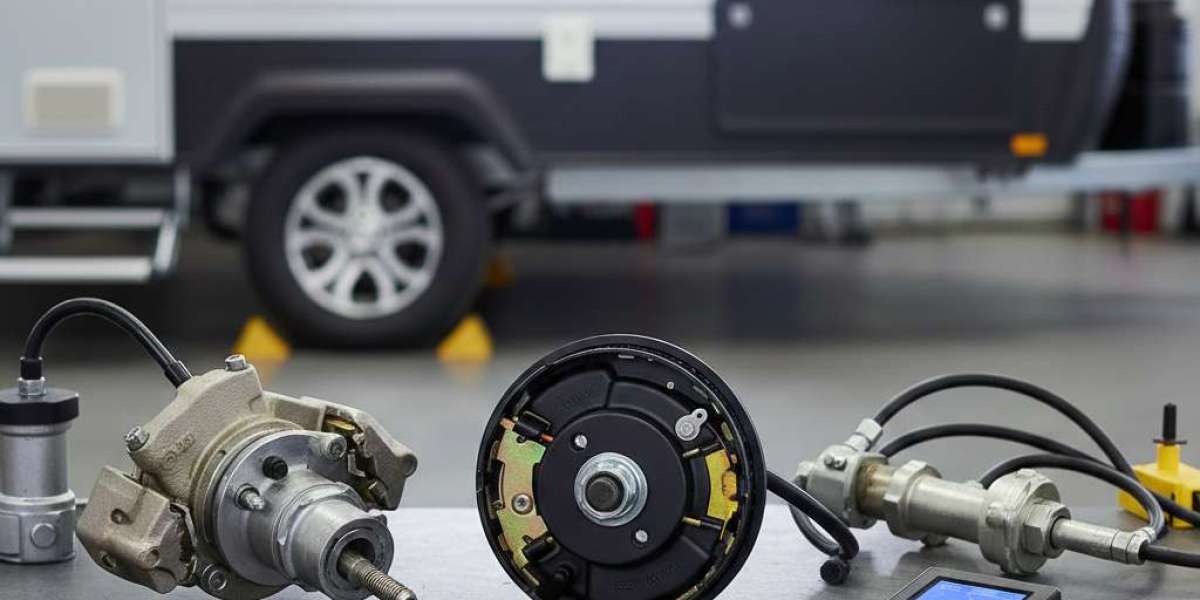

When you’re towing a caravan or camper across Australia’s long highways, winding coastal roads, or rugged outback tracks, your brake system is not just a legal requirement—it’s a critical safety feature. Choosing the right trailer brake system ensures better control, shorter stopping distances, and a smoother towing experience, no matter where your adventures take you.
With several types of trailer brakes available, understanding how they work and which option suits your setup can make all the difference. This guide breaks down everything you need to know to choose the right brake system for your caravan or camper trailer.
Why Trailer Brake Systems Matter
Towing significantly increases your vehicle’s weight and momentum. Without effective trailer brakes, stopping distances become longer, brake wear increases on your tow vehicle, and control can be compromised—especially during sudden stops or downhill driving.
For caravans and camper trailers, a properly matched braking system helps:
Improve towing stability
Reduce strain on your tow vehicle
Enhance safety in emergency braking situations
Meet Australian road safety regulations
Whether you’re towing a lightweight camper or a fully loaded off-road caravan, reliable trailer brakes are essential.
Australian Trailer Brake Regulations
In Australia, trailer brake requirements depend on the Aggregate Trailer Mass (ATM):
Up to 750kg ATM: No brakes required
750kg–2000kg ATM: Brakes required on at least one axle
Over 2000kg ATM: Brakes required on all wheels, with a breakaway system
Most caravans and camper trailers fall well above the 750kg mark, making a suitable braking system mandatory. Always check state-specific regulations, as compliance requirements may vary slightly.
Types of Trailer Brake Systems
Understanding the different types of trailer brakes is the first step in choosing the right option.
Mechanical Override Brakes
Mechanical override brakes use the trailer’s forward momentum to activate braking when the tow vehicle slows down. As the trailer pushes forward, a sliding coupling applies the brakes through a mechanical linkage.
Pros:
Simple and reliable
No electrical connections required
Suitable for lighter camper trailers
Cons:
Less precise braking control
Can feel jerky during stop-start driving
Not ideal for heavier caravans
These brakes are commonly found on smaller camper trailers and basic setups.
Hydraulic Override Brakes
Hydraulic override systems work similarly to mechanical versions but use hydraulic fluid instead of cables. When the trailer pushes forward, hydraulic pressure is applied to the brakes.
Pros:
Smoother braking than mechanical systems
Better stopping performance
Suitable for mid-weight caravans and camper trailers
Cons:
More complex than mechanical brakes
Maintenance requires hydraulic expertise
Hydraulic systems are a popular upgrade for campers that frequently travel on highways or uneven terrain.
Electric Trailer Brakes
Electric trailer brakes use an in-car brake controller that sends signals to electromagnets in the trailer’s brake assemblies. The braking force is proportional to how hard the driver applies the brakes.
Pros:
Excellent braking control
Adjustable from inside the vehicle
Ideal for heavier caravans
Cons:
Requires a brake controller
Electrical wiring installation needed
Electric brakes are among the most common trailer brakes for caravans in Australia due to their responsiveness and driver control.
Electric-Over-Hydraulic (EOH) Brakes
Electric-over-hydraulic systems combine electric control with hydraulic braking power. An electric signal activates a hydraulic pump, applying pressure to the brakes.
Pros:
Very smooth and powerful braking
Ideal for heavy or off-road caravans
Works well with modern brake controllers
Cons:
Higher cost
More complex installation
EOH systems are often used on premium caravans and heavy camper trailer brakes designed for demanding conditions.
Key Factors to Consider When Choosing Trailer Brakes
Selecting the right brake system isn’t just about weight—it’s about how and where you tow.
Trailer Weight and Load
Always consider the fully loaded weight of your caravan or camper, not just its empty weight. Accessories, water tanks, gear, and supplies can significantly increase ATM.
Heavier setups benefit from electric or electric-over-hydraulic trailer brakes for better control and safety.
Towing Conditions
If you mainly tow on sealed roads, standard electric brakes may be sufficient. However, if you regularly travel:
Off-road
On steep descents
In remote areas
You may want a more robust braking system with smoother modulation and higher reliability.
Tow Vehicle Compatibility
Not all tow vehicles come with a brake controller fitted. Some modern 4WDs support integrated controllers, while others require aftermarket installation.
Ensure your chosen trailer brake system is compatible with your vehicle’s braking electronics.
Maintenance and Reliability
Mechanical systems are easier to maintain but may wear faster. Electric and hydraulic systems offer better performance but require regular inspections, especially for wiring, fluid levels, and seals.
Consider how comfortable you are with ongoing maintenance before making a decision.
Breakaway Systems: A Must for Safety
For trailers over 2000kg ATM, Australian law requires a breakaway system. This system automatically applies the trailer brakes if it becomes disconnected from the tow vehicle.
Breakaway systems use a dedicated battery and are commonly paired with electric or electric-over-hydraulic trailer brakes. They provide an added layer of safety, especially at highway speeds.
Common Mistakes to Avoid
When choosing camper trailer brakes, avoid these common pitfalls:
Selecting brakes based only on empty weight
Ignoring future upgrades or added loads
Overlooking compatibility with the tow vehicle
Skipping professional installation for complex systems
A poorly matched braking system can compromise safety and increase wear on both the trailer and tow vehicle.
Professional Installation and Setup
While some basic systems can be installed by experienced DIYers, electric and hydraulic trailer brakes are best installed by professionals. Correct setup ensures:
Proper brake balance
Smooth engagement
Compliance with Australian regulations
A professional installation can also help fine-tune brake controller settings for optimal performance.
Final Thoughts
Choosing the right trailer brake system for your caravan or camper is about more than compliance—it’s about confidence on the road. From lightweight camper trailer brakes to heavy-duty electric-over-hydraulic systems, the right choice depends on your trailer’s weight, towing conditions, and vehicle compatibility.
By understanding how different trailer brakes work and matching them to your specific needs, you’ll enjoy safer towing, better control, and peace of mind wherever your Australian adventures take you.