
Maintaining strong and healthy teeth requires consistent care and preventive measures. While brushing and flossing are essential, certain areas of the teeth are more prone to decay due to their structure. A tooth sealant is a preventive dental solution designed to protect these vulnerable areas from cavities and damage. It is widely used for both children and adults to enhance oral health and reduce the risk of tooth decay.
This article explains what a tooth sealant is, how it works, its benefits, and why it plays an important role in maintaining long term dental health.
Understanding Tooth Sealant
What Is a Tooth Sealant
A tooth sealant is a thin protective coating applied to the chewing surfaces of the back teeth. These teeth often have grooves and pits that can trap food particles and bacteria. A tooth sealant covers these areas, creating a smooth surface that is easier to clean. This protective layer helps prevent the formation of cavities. The application process is simple and painless. Tooth sealants are an effective way to protect teeth from decay.
Why Back Teeth Need Extra Protection
The back teeth, also known as molars and premolars, are more susceptible to decay. Their uneven surfaces make it difficult to remove all food particles during brushing. A tooth sealant provides additional protection by sealing these grooves. This reduces the chances of bacteria buildup. Protecting these teeth is essential for maintaining overall oral health. Sealants help ensure long lasting dental strength.
Who Can Benefit from Tooth Sealants
Tooth sealants are beneficial for individuals of all ages. Children and teenagers are often ideal candidates as their newly erupted teeth are more vulnerable. Adults can also benefit from a tooth sealant if they have deep grooves in their teeth. Preventive care is important at every stage of life. Sealants provide an added layer of protection. They are a valuable tool for maintaining oral health.
How Tooth Sealant Works
Creating a Protective Barrier
A tooth sealant works by forming a barrier over the tooth surface. This barrier prevents food particles and bacteria from settling into the grooves. The sealant bonds to the enamel, creating a smooth and protective layer. This makes it easier to maintain cleanliness. The barrier reduces the risk of decay significantly. Tooth sealants are an effective preventive solution.
Preventing Bacteria Buildup
Bacteria thrive in areas that are difficult to clean. A tooth sealant eliminates these hiding spots by covering the grooves. This reduces the chances of plaque formation. Maintaining a clean surface helps prevent cavities. Patients benefit from improved oral hygiene. Preventing bacteria buildup is key to dental health.
Supporting Daily Oral Hygiene
Tooth sealants complement regular brushing and flossing routines. They make it easier to clean teeth effectively. Even with proper hygiene, some areas may remain hard to reach. A tooth sealant provides additional protection in these areas. This supports overall oral care efforts. Combining sealants with good habits ensures better results.
The Application Process
Cleaning and Preparation
The process of applying a tooth sealant begins with cleaning the tooth thoroughly. Dentists remove any plaque or debris from the surface. This ensures proper bonding of the sealant. The tooth is then dried and prepared for application. Proper preparation is essential for effective results. Patients experience a quick and comfortable procedure.
Applying the Sealant Material
Once the tooth is prepared, the sealant material is applied to the surface. A tooth sealant is carefully painted onto the grooves of the tooth. The material flows into the pits and fissures, covering them completely. This step ensures full protection of vulnerable areas. The application is painless and non invasive. Patients benefit from immediate protection.
Hardening and Final Check
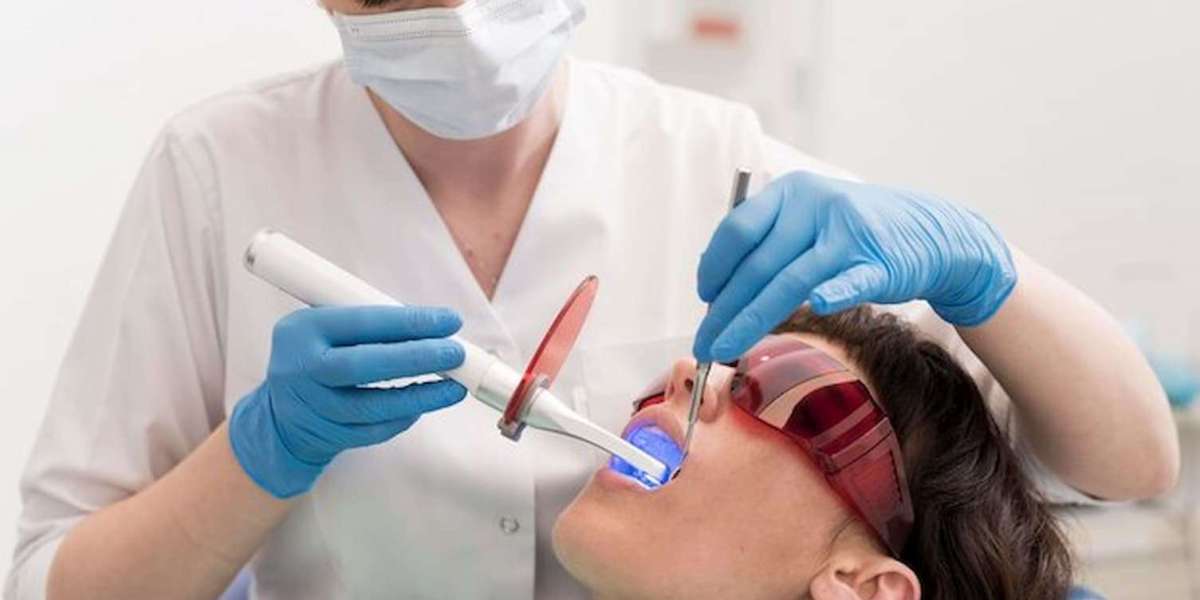
After application, the sealant is hardened using a special light. This process ensures that the tooth sealant bonds securely to the tooth. Dentists then check the sealant to ensure proper coverage. Any adjustments are made if necessary. The entire procedure is completed quickly. Patients can resume normal activities immediately.
Benefits of Tooth Sealant
Prevention of Cavities
One of the primary benefits of a tooth sealant is cavity prevention. By covering the grooves of the teeth, it reduces the risk of decay. Patients benefit from stronger and healthier teeth. Preventing cavities helps avoid future dental treatments. Sealants provide long term protection. This makes them an important preventive measure.
Cost Effective Dental Care
Tooth sealants are a cost effective way to protect teeth. Preventing cavities reduces the need for expensive treatments. Patients can maintain oral health without significant costs. Investing in preventive care saves money in the long run. Sealants provide value and protection. This makes them a practical choice for dental care.
Long Lasting Protection
Tooth sealants can last for several years with proper care. They provide continuous protection against decay. Regular dental checkups ensure that the sealant remains intact. Patients benefit from long term oral health. Maintaining sealants is simple and effective. Their durability makes them a reliable solution.
Importance for Children and Teenagers
Protecting Developing Teeth
Children and teenagers are at a higher risk of cavities due to developing oral hygiene habits. A tooth sealant helps protect their teeth during this stage. Newly erupted molars are particularly vulnerable. Sealants provide immediate protection. Parents can ensure their children maintain healthy teeth. Early care supports long term dental health.
Encouraging Preventive Care Habits
Applying a tooth sealant encourages the importance of preventive care. Children learn the value of protecting their teeth early. This helps build good oral hygiene habits. Preventive measures reduce the risk of dental problems. Patients benefit from better awareness and care. Early education supports lifelong oral health.
Reducing Dental Anxiety
Preventive treatments like tooth sealants reduce the need for more complex procedures. Children experience fewer dental issues and less discomfort. This helps reduce anxiety related to dental visits. Positive experiences encourage regular checkups. Patients feel more comfortable with dental care. Sealants contribute to a stress free approach.
Caring for Teeth with Sealants
Maintaining Proper Oral Hygiene
Even with a tooth sealant, maintaining good oral hygiene is essential. Patients should continue brushing and flossing regularly. Proper care ensures the longevity of the sealant. Clean teeth support overall oral health. Combining hygiene with sealants provides maximum protection. Consistent care is key to success.
Regular Dental Checkups
Regular checkups are important to monitor the condition of the sealant. Dentists check for wear or damage during visits. A tooth sealant may need to be reapplied if necessary. Routine visits ensure continuous protection. Patients benefit from professional guidance. Monitoring supports long term effectiveness.
Avoiding Harmful Habits
Certain habits can damage a tooth sealant. Patients should avoid biting hard objects or using teeth as tools. Protecting the sealant ensures its durability. Following dental advice helps maintain results. Patients benefit from lasting protection. Proper care supports oral health.
Long Term Impact of Tooth Sealant
Supporting Lifelong Oral Health
Tooth sealants play a significant role in maintaining long term oral health. They provide ongoing protection against decay. Patients benefit from fewer dental issues over time. Preventive care supports overall well being. Sealants contribute to healthier smiles. Long term benefits make them a valuable solution.
Reducing Need for Treatments
Preventing cavities reduces the need for fillings and other procedures. A tooth sealant helps maintain the natural structure of teeth. Patients avoid unnecessary treatments and discomfort. This leads to better dental experiences. Preventive care ensures better outcomes. Sealants help preserve natural teeth.
Enhancing Overall Dental Confidence
Healthy teeth contribute to confidence and comfort. A tooth sealant helps maintain strong and clean teeth. Patients feel more confident in their smiles. Improved oral health enhances quality of life. Sealants support both function and appearance. Confidence plays an important role in daily life.
Conclusion
A tooth sealant is a simple yet highly effective preventive solution that protects teeth from decay and supports long term oral health. By creating a protective barrier over vulnerable areas, it helps reduce the risk of cavities and enhances overall dental hygiene. Understanding the importance of tooth sealant encourages individuals to take proactive steps in maintaining healthy teeth. For those seeking reliable and professional dental care, Clove Dental sherman oaks stands as a trusted option, helping patients achieve strong and healthy smiles through expert tooth sealant treatments and comprehensive preventive care.