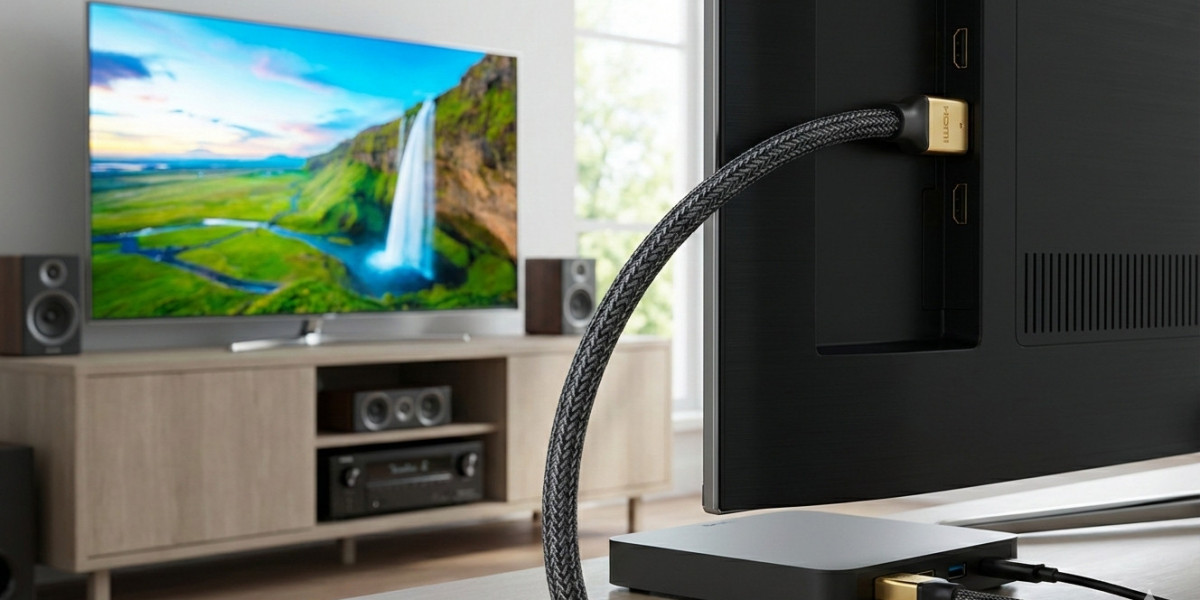

If you've ever shopped for an HDMI cable, you've probably encountered confusing labels like "High Speed," "Premium High Speed," or "Ultra High Speed." These aren't just marketing buzzwords—they represent official certification levels that determine what your cable can actually do. Understanding these designations helps you avoid buying the wrong cable and ensures your home entertainment system performs at its best.
The Problem: Not All HDMI Cables Are Created Equal
Many people assume that any HDMI cable works with any HDMI device. After all, the connector looks the same, right? Unfortunately, this assumption leads to countless frustrated customers who wonder why their new 4K TV displays a fuzzy picture or why their gaming console won't output at 120Hz.
The HDMI Licensing Administrator created these naming conventions to solve a real problem. As HDMI technology evolved to support higher resolutions, faster refresh rates, and more advanced features, cables needed to keep pace. The organization established clear certification levels to help consumers identify which cables support which features.
Understanding the Official HDMI Cable Categories
Standard HDMI Cables (The Basics)
Standard HDMI cables represent the original specification. These cables support resolutions up to 1080i or 720p, which made them perfect for early HDTVs and DVD players. You rarely see these marketed today because most modern devices require more bandwidth than Standard cables provide.
High Speed HDMI Cables (The Workhorse)
High Speed HDMI cables marked a significant upgrade. These cables support 1080p, 4K resolution at 30Hz, 3D video, and Deep Color. For years, High Speed cables served as the industry standard because they handled most consumer needs adequately.
These cables work fine for basic 4K streaming, Blu-ray players, and older gaming consoles. However, they struggle with newer features like 4K at 60Hz or HDR content, which require more bandwidth.
Premium High Speed HDMI Cables (The Step Up)
Premium High Speed HDMI cables entered the market when 4K HDR content became mainstream. The HDMI Forum introduced this certification to guarantee reliable performance with demanding content formats.
These cables support 4K resolution at 60Hz, High Dynamic Range (HDR), wide color gamuts, and enhanced audio return channel (eARC). Premium High Speed cables undergo rigorous testing and carry a special certification label with a QR code you can scan to verify authenticity.
This category serves most current home theater needs well. If you own a 4K TV with HDR and stream content from services like Netflix or Disney+, a Premium High Speed cable delivers the quality you're paying for.
Ultra High Speed HDMI Cables (The Future-Proof Choice)
The ultra high speed HDMI cable represents the latest and most capable certification. Introduced with HDMI 2.1 specifications, these cables support cutting-edge features that push the boundaries of home entertainment.
An ultra high speed HDMI cable handles 8K resolution at 60Hz, 4K at 120Hz, Dynamic HDR, Variable Refresh Rate (VRR), Quick Frame Transport (QFT), and Auto Low Latency Mode (ALLM). Gamers particularly appreciate these cables because they enable the high frame rates and responsive gameplay that modern consoles like PlayStation 5 and Xbox Series X deliver.
The bandwidth tells the whole story. While Premium High Speed cables max out at 18 Gbps, an ultra high speed HDMI cable provides a massive 48 Gbps bandwidth. This increased capacity ensures smooth performance with the most demanding content and leaves headroom for future innovations.
Why Does the HDMI Forum Use These Names?
The naming convention serves several practical purposes. First, it creates a clear hierarchy that consumers can understand without technical knowledge. "Ultra High Speed" obviously sounds more capable than "High Speed," which helps shoppers make informed decisions quickly.
Second, these certifications protect consumers from false advertising. Manufacturers must test their cables and obtain certification before using these official designations. The Premium High Speed and Ultra High Speed categories include verification programs with unique labels, making counterfeit products easier to spot.
Third, the names future-proof your purchases to some degree. When you buy an ultra high speed HDMI cable, you invest in technology that supports current devices and upcoming innovations.
How to Choose the Right HDMI Cable
Your device capabilities should guide your cable selection. Check what resolution and refresh rate your TV, monitor, or projector supports. Then consider what content sources you use.
For basic HD streaming and older equipment, High Speed cables work fine. If you own a 4K HDR TV and watch 4K streaming content, invest in Premium High Speed cables. For gaming consoles, 8K TVs, or high-refresh-rate monitors, choose an ultra high speed HDMI cable.
Don't overspend on features you won't use, but don't cheap out either. A few extra dollars for proper certification prevents headaches and ensures your equipment performs as intended.
The Truth About Cable Length and Quality
Here's something important: HDMI cables face signal degradation over distance. A cheap 3-foot cable might work fine, but that same cable design stretched to 15 feet could fail with high-bandwidth content.
Certified cables undergo testing at specific lengths to ensure reliable performance. If you need longer runs, stick with certified cables from reputable manufacturers. Some situations require active cables with built-in signal boosters for runs exceeding 25 feet.
Spotting Fake Certifications
Unfortunately, some manufacturers slap official-sounding names on substandard cables. Protect yourself by looking for proper certification marks. Premium High Speed and ultra high speed HDMI cables include holographic labels with QR codes linking to verification websites.
Buy from reputable retailers who stand behind their products. Suspiciously cheap cables claiming premium certifications usually deliver disappointing performance.
The Bottom Line
HDMI cable names like "High Speed" and "Premium" exist for good reason. They help consumers navigate increasingly complex technology choices and ensure compatible performance across devices. While the naming might seem strange at first, these certifications provide valuable guidance.
When shopping for your next HDMI cable, remember that the name indicates capability, not just marketing hype. Match the cable certification to your equipment requirements, verify authenticity through proper labels, and enjoy the full potential of your home entertainment system.