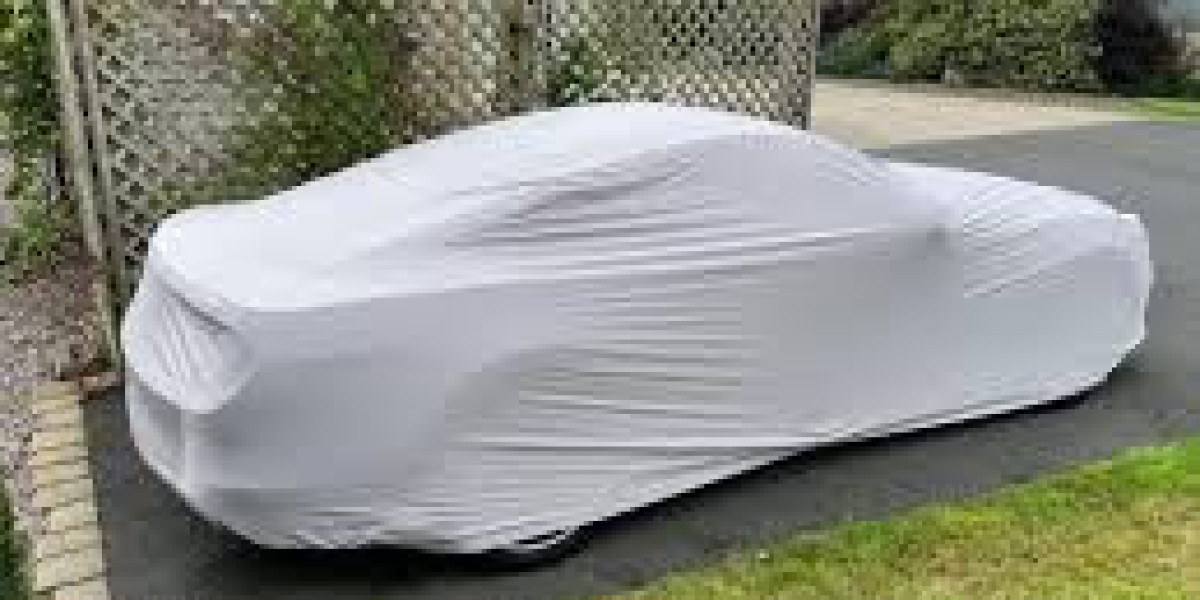

Owning a car is more than just having a mode of transportation—it’s an investment. Whether you drive a brand-new vehicle or a classic model, protecting it from the elements should be a top priority. One of the most effective ways to safeguard your car is by using a high-quality car cover. Car covers are not just simple dust shields; they provide protection against weather, scratches, UV rays, dirt, and even theft. In this article, we’ll explore the benefits, types, and tips for choosing the right car cover to keep your vehicle in pristine condition.
Why You Need a Car Cover
Many car owners underestimate the impact of environmental factors on their vehicles. Sunlight, rain, snow, dust, and bird droppings can all contribute to the deterioration of your car’s exterior. Here’s how a car cover can help:
Protects Against Weather Damage: Sunlight can fade paint and damage interiors, while rain and snow can lead to rust and corrosion. A car cover acts as a protective barrier, keeping your car safe from extreme weather conditions.
Prevents Dust and Dirt Accumulation: Dust, pollen, and debris can accumulate on your vehicle even if it’s parked in a garage. Car covers help maintain cleanliness and reduce the frequency of washing, saving you time and effort.
Guards Against Scratches and Dings: Parking in crowded areas or outdoor spaces exposes your car to accidental scratches from other vehicles, shopping carts, or branches. A car cover acts as a cushion, minimizing surface damage.
UV Protection: Prolonged exposure to the sun can weaken your car’s paint and interior materials. A UV-resistant car cover prevents fading and cracking, keeping your vehicle looking newer for longer.
Discourages Theft: While not a foolproof security measure, a covered car is less likely to attract opportunistic thieves, as it’s harder to access and less visible.
Types of Car Covers
Choosing the right type of car cover depends on how, where, and when you plan to use it. Here are the most common options:
1. Indoor Car Covers
Indoor car covers are designed for vehicles stored in garages or covered areas. They are usually made from lightweight, soft fabrics that prevent scratches. These covers are breathable, allowing air circulation to reduce moisture buildup and prevent mold growth.
Pros:
Lightweight and easy to handle
Protects against dust and minor scratches
Soft, gentle on paint
Cons:
Not suitable for outdoor use
Limited protection against moisture and UV rays
2. Outdoor Car Covers
Outdoor car covers are made from durable, weather-resistant materials. They protect your car from rain, snow, UV rays, bird droppings, and other environmental hazards. Some premium outdoor covers also feature reinforced stitching and straps for added security against wind.
Pros:
Excellent protection against weather and UV rays
Heavy-duty and durable
Often water-resistant or waterproof
Cons:
Heavier and bulkier than indoor covers
May require more effort to put on and remove
3. All-Weather Car Covers
All-weather car covers are versatile options suitable for both indoor and outdoor use. They offer balanced protection from dust, rain, UV rays, and light scratches. These covers often feature multi-layered fabrics with waterproof exteriors and soft interiors.
Pros:
Can be used indoors and outdoors
Provides comprehensive protection
Lightweight compared to heavy-duty outdoor covers
Cons:
May not provide maximum protection in extreme conditions
Usually more expensive than single-purpose covers
4. Custom-Fit vs. Universal Car Covers
Car covers come in either custom-fit or universal designs.
Custom-Fit Covers: These are tailored to the exact make and model of your car, providing a snug fit. They reduce flapping in the wind and offer superior protection against scratches.
Universal Covers: Designed to fit a range of vehicles, these covers are versatile but may not provide the same level of protection as custom-fit options.
Material Matters
The material of a car cover determines its effectiveness. Common materials include:
Polyester: Lightweight, affordable, and water-resistant. Suitable for light protection.
Polypropylene: Breathable and dust-resistant, ideal for indoor use.
PVC or Vinyl: Waterproof and heavy-duty, perfect for outdoor protection.
Microfiber or Fleece Lining: Soft and scratch-resistant, often used for high-end vehicles.
Tips for Using a Car Cover
To maximize the effectiveness of your car cover, follow these practical tips:
Clean Your Car First: Always wash your car before covering it. Trapped dirt and debris can scratch the paint.
Dry Thoroughly: Moisture under the cover can lead to mold and corrosion. Ensure your car is completely dry.
Secure Properly: Use straps or tie-downs to prevent the cover from blowing away in windy conditions.
Store Carefully: When not in use, fold your car cover neatly and store it in a dry, cool place.
Additional Features to Consider
Modern car covers come with features that enhance convenience and protection:
UV Protection: Essential for sunny climates to prevent paint fading.
Waterproofing: Protects against rain, snow, and ice.
Ventilation: Reduces condensation and mold buildup.
Anti-Theft Mechanisms: Straps, grommets, and locks to secure the cover.
Conclusion
Investing in a quality car cover is a simple yet highly effective way to extend the life of your vehicle. It not only protects your car from environmental damage but also preserves its aesthetic appeal and resale value. Whether you’re looking for a lightweight indoor cover or a heavy-duty outdoor option, there’s a perfect car cover to suit your needs. By understanding the different types, materials, and features, you can make an informed decision that keeps your car looking and performing its best for years to come.
Protect your investment today—because a covered car is a cared-for car.