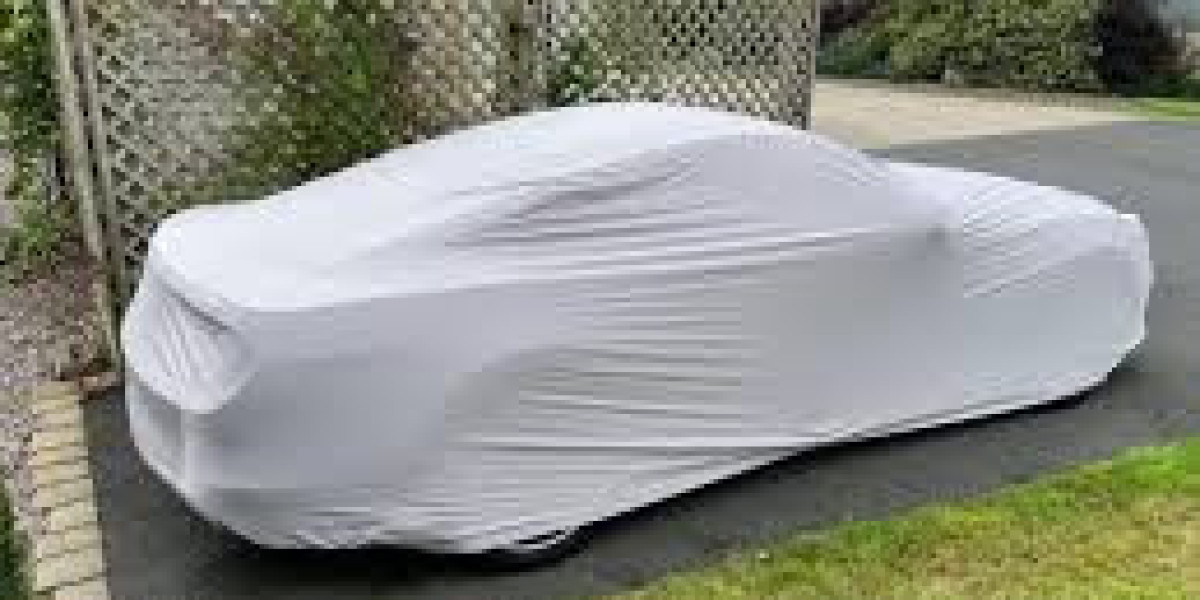

Owning a car is more than just a mode of transportation—it’s an investment. Whether it’s a luxury vehicle, a daily commuter, or a classic collectible, protecting your car is essential. One of the most effective ways to safeguard your vehicle from environmental damage, dust, and scratches is by using a high-quality car cover. In this article, we will explore the benefits of car covers, types available, tips for choosing the right one, and maintenance practices to maximize their lifespan.
Why a Car Cover Is Essential
A car cover acts as a protective barrier between your vehicle and the elements. Here are some reasons why every car owner should consider using one:
Protection from Weather Conditions: Exposure to sun, rain, snow, and ice can gradually damage a vehicle’s exterior. Ultraviolet (UV) rays from the sun can fade paint and crack dashboards, while rain and snow can cause rust and corrosion over time. A durable car cover shields your vehicle from these harsh elements.
Prevention of Dust and Dirt Accumulation: Even if your car is parked in a garage, dust can settle on surfaces, affecting both appearance and finish. A car cover keeps dust and debris off the paint, reducing the need for frequent washing.
Scratch and Dent Prevention: Outdoor parking or even crowded garages can expose vehicles to accidental scratches, bird droppings, tree sap, and minor dings. Using a car cover minimizes direct contact with potential sources of damage.
Theft Deterrent: While a car cover may not stop a determined thief, it can act as a deterrent. It adds an extra layer of effort and time for anyone trying to access your vehicle, making it less appealing for opportunistic theft.
Maintaining Resale Value: Protecting the exterior and interior of your car with a cover ensures it looks well-maintained. Vehicles with minimal scratches, fading, and dents tend to retain higher resale value.
Types of Car Covers
Car covers come in various materials and designs, each tailored for specific needs. Choosing the right type depends on where and how your car is parked, the climate you live in, and the level of protection you require.
1. Indoor Car Covers
Indoor car covers are lightweight and soft, designed to protect vehicles from dust, dirt, and minor scratches inside a garage or storage unit. They are typically made from cotton or polyester blends and are ideal for classic or luxury cars that are stored indoors most of the time.
2. Outdoor Car Covers
Outdoor car covers are more robust, offering protection against harsher weather conditions like rain, snow, and UV rays. They are often made from multi-layered fabrics, including polyester or polypropylene, with waterproof and UV-resistant coatings. Some models include reinforced seams and elastic hems to secure the cover against wind.
3. Custom-Fit Car Covers
Custom-fit car covers are tailored to the exact make and model of your vehicle. They provide superior coverage, minimizing movement and friction that can cause scratches. This type is perfect for cars that are parked outdoors for extended periods or for collectors who want maximum protection.
4. Universal Car Covers
Universal car covers are one-size-fits-most solutions. They are adjustable and suitable for a variety of vehicle sizes and types. While they offer general protection, they may not fit as snugly as custom-fit options, leaving small areas exposed.
5. Weatherproof and All-Season Covers
These covers combine features of outdoor and heavy-duty covers. They are water-resistant, UV-resistant, and often come with breathable materials to prevent condensation. All-season car covers are ideal for extreme climates with frequent temperature fluctuations.
Tips for Choosing the Right Car Cover
Selecting the right car cover involves considering several factors to ensure optimal protection and longevity:
Material Quality: Look for durable, tear-resistant fabrics that match your parking conditions. Soft materials for indoor use prevent scratches, while heavy-duty, weather-resistant fabrics suit outdoor protection.
Fit and Size: A snug-fitting cover is better than a loose one. Too much movement can cause friction, leading to scratches. Custom-fit covers provide the best fit, but high-quality universal covers can also work well.
Breathability: A breathable car cover prevents moisture from being trapped underneath, which can cause mold, mildew, or paint damage. Always choose a cover that allows airflow while remaining protective.
Ease of Use: Consider how easy it is to put on and remove the cover. Lightweight covers are easier to handle but may offer less protection. Some covers come with storage bags for convenience.
Security Features: Some car covers include locking mechanisms, reinforced grommets, or tie-down straps to keep the cover secure, especially in windy conditions.
Maintenance and Care of Car Covers
A car cover is an investment, and proper maintenance ensures it lasts longer and continues to protect your vehicle effectively.
Cleaning: Wash your car cover regularly according to the manufacturer’s instructions. Most indoor covers can be machine washed, while outdoor covers may require hand washing with mild soap and water.
Storage: Store the cover in a clean, dry location when not in use. Avoid folding it with dirt or moisture trapped inside, as this can damage both the cover and the vehicle.
Inspect for Damage: Periodically check the cover for tears, worn areas, or frayed edges. Repair or replace damaged covers promptly to maintain protection.
Proper Placement: Always ensure the cover is completely dry before placing it on your car. Wet covers can trap moisture and cause rust or mold.
Conclusion
A car cover is more than just an accessory—it’s a practical tool to extend the life of your vehicle, maintain its appearance, and protect your investment. With options ranging from indoor, lightweight covers to heavy-duty, all-weather outdoor covers, there is a solution for every car owner. By choosing the right material, fit, and style, and maintaining it properly, you can ensure your vehicle remains in top condition for years to come. Whether you’re looking to protect a luxury car, daily driver, or a collectible classic, investing in a high-quality car cover is a small step that pays big dividends in the long run.