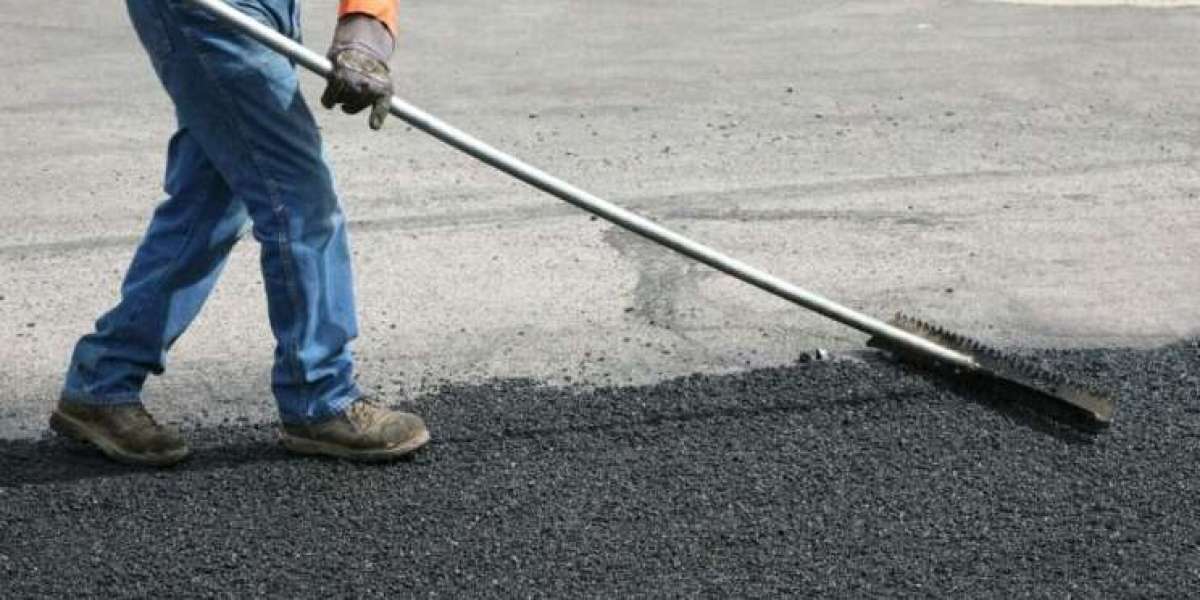

Maintaining pavement in commercial properties is about much more than appearance—it directly impacts safety, compliance, and long-term costs. Parking lots, driveways, and walkways experience constant wear from traffic and weather, making a proactive approach essential. By focusing on long-term pavement maintenance, property owners can protect their investment, reduce repair expenses, and create a safe environment for visitors and employees.
Understanding Long-Term Pavement Maintenance
Long-term pavement maintenance is a strategic, ongoing process designed to keep asphalt and concrete surfaces in optimal condition. Instead of waiting for major damage, this approach emphasizes prevention through regular inspections, timely repairs, and protective treatments.
A well-planned maintenance strategy helps extend pavement life and ensures that small issues—like minor cracks—don’t develop into costly structural problems. This proactive mindset is key to maintaining both functionality and visual appeal over time.
Benefits of Regular Maintenance
Cost Savings
Addressing minor issues early prevents expensive repairs or full reconstruction later, helping you manage your budget more effectively.
Enhanced Safety
Smooth, well-maintained surfaces reduce hazards such as potholes and uneven areas, lowering the risk of accidents.
Aesthetic Appeal
Clean and properly maintained pavement enhances curb appeal and reflects professionalism, making a positive impression on clients and tenants.
The Role of Sealcoating in Pavement Maintenance
Sealcoating is one of the most important components of long-term pavement care. It involves applying a protective layer over asphalt surfaces to shield them from damage.
Weather Resistance
Sealcoating protects against UV rays, rain, and temperature changes that can cause asphalt to weaken and crack.
Chemical Protection
It prevents damage from oil, gasoline, and other chemicals that can break down pavement surfaces.
Extended Lifespan
Regular sealcoating significantly increases the durability of asphalt, reducing the need for frequent repairs.
Ensuring ADA Compliance
Accessibility is a critical requirement for commercial properties. Maintaining compliance with ADA standards ensures that your property is safe and usable for everyone.
Proper Line Striping
Clearly marked parking spaces, including accessible spots, help meet regulatory requirements and improve organization.
Smooth Surfaces
Even pavement is essential for wheelchair access and pedestrian safety.
Accessible Routes
Walkways, ramps, and slopes must be properly designed and maintained to ensure easy navigation for all users.
Asphalt vs. Concrete: Durability and Maintenance
Choosing the right material plays a big role in long-term maintenance planning.
Asphalt
Flexibility
Asphalt adapts well to temperature changes, reducing the likelihood of cracking.
Repair Ease
It is easier and more cost-effective to repair compared to concrete.
Sealcoating Benefits
Asphalt responds well to sealcoating, which enhances its durability and lifespan.
Concrete
Durability
Concrete typically lasts longer and requires less frequent maintenance.
Strength
It is ideal for areas with heavy loads, such as industrial zones.
Higher Initial Cost
While more expensive upfront, its longevity can make it a cost-effective choice over time.
Implementing a Pavement Maintenance Plan
A structured plan is essential for keeping your pavement in excellent condition.
Regular Inspections
Inspect your pavement at least twice a year to identify early signs of damage.
Timely Repairs
Fix cracks, potholes, and drainage issues promptly to prevent further deterioration.
Sealcoating Schedule
Apply sealcoating every few years based on traffic levels and environmental conditions.
Professional Services
Hiring experienced professionals ensures high-quality maintenance and long-lasting results.
Long-Term Benefits of a Proactive Approach
Reduced Repair Costs
Preventive maintenance minimizes the need for expensive repairs and reconstruction.
Increased Property Value
Well-maintained pavement enhances the overall value and appeal of your property.
Improved User Experience
Safe, smooth surfaces create a better experience for customers, tenants, and employees.
Conclusion
Long-term pavement maintenance is a smart and necessary investment for commercial property owners. By focusing on regular inspections, timely repairs, sealcoating, and ADA compliance, you can extend the life of your pavement while maintaining safety and visual appeal.