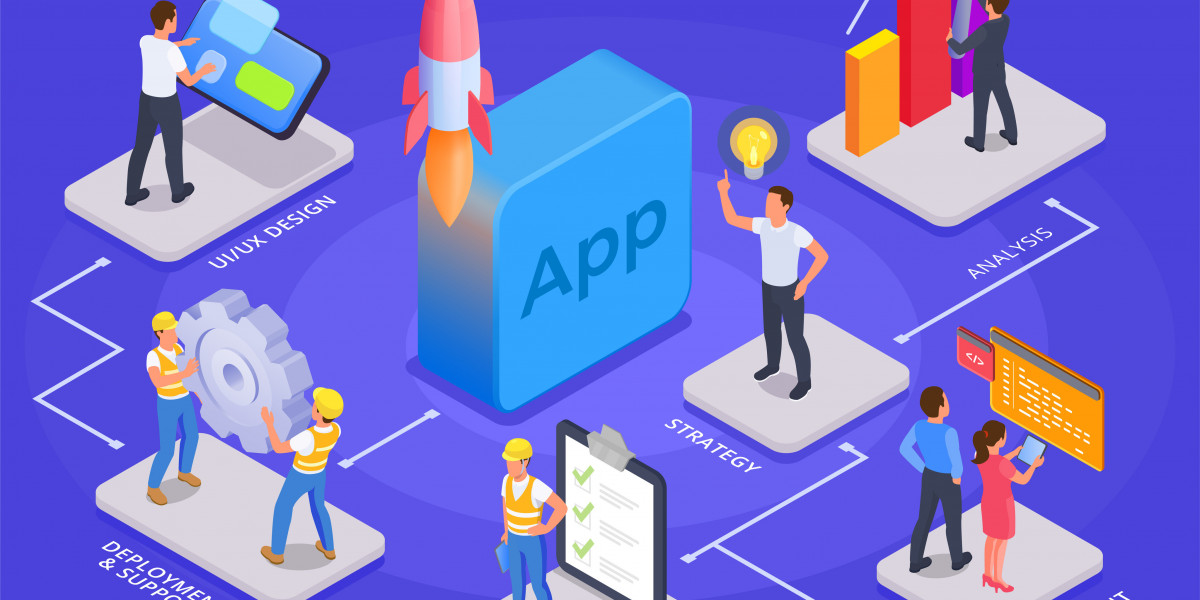

Building a successful mobile app is no longer limited to large enterprises with massive budgets. Today, startup entrepreneurs can turn an idea into a functional, scalable app with the right strategy, tools, and development approach. However, app development is not just about coding—it involves research, validation, design, development, testing, and continuous improvement.
This guide walks you through the complete process of making an app, from idea validation to post-launch optimization, in a practical and startup-friendly way.
1. Start With a Clear App Idea
Every great app begins with a clear problem to solve. Instead of thinking about features first, focus on the user pain point. Ask yourself:
What problem does my app solve?
Who will use it?
Why will users choose it over existing solutions?
Document your idea in simple terms. Define your target audience, the core value proposition, and the expected outcome for users. This clarity will guide every future decision, from design to marketing.
2. Validate Your App Idea Before Building
One of the most common startup mistakes is building an app without validation. Before investing time and money, validate demand using cost-effective methods:
Conduct user interviews and surveys
Analyze competitors and app store reviews
Create a simple landing page explaining your app idea
Test interest through ads or waitlists
Validation helps you understand whether users actually want your solution and which features matter most.
3. Define Core Features for an MVP
Instead of building a full-featured product, focus on a Minimum Viable Product (MVP). An MVP includes only the essential features needed to solve the main problem.
Create a feature list and categorize it into:
Must-have features
Nice-to-have features
Future enhancements
This approach reduces development cost, shortens time to market, and allows faster user feedback.
4. Choose the Right Platform and Technology
Decide whether your app will be built for:
Android
iOS
Cross-platform (single codebase for both)
Your choice should depend on your target audience, budget, and timeline. Cross-platform frameworks like React Native or Flutter are popular among startups because they reduce development time and cost.
Also decide on backend technologies, databases, and third-party integrations early to avoid scalability issues later.
5. Focus on User-Centric App Design
Design plays a crucial role in user adoption. A visually appealing but confusing app will fail quickly. Prioritize usability over aesthetics.
Key design steps include:
Wireframing user flows
Creating intuitive navigation
Designing consistent UI components
Ensuring accessibility and responsiveness
Good design makes your app easy to understand, reduces user friction, and increases retention.
6. Develop the App in Iterations
App development should be iterative, not linear. Break development into small milestones and review progress regularly.
Typical development phases include:
Frontend development
Backend development
API integration
Security implementation
Regular internal testing during development helps catch issues early and keeps the project aligned with your original goals.
7. Test Thoroughly Before Launch
Testing is critical for delivering a stable app. Bugs, crashes, or poor performance can quickly damage your brand.
Types of testing to perform:
Functional testing
Performance testing
Security testing
Usability testing
Device and OS compatibility testing
Beta testing with real users provides valuable insights and helps refine the app before public release.
8. Launch Strategically on App Stores
A successful launch requires more than uploading the app. Prepare optimized app store listings with:
Clear app descriptions
High-quality screenshots and videos
Relevant keywords
Honest user messaging
Plan a soft launch if possible to monitor performance and fix issues before a full-scale release.
9. Gather Feedback and Improve Continuously
After launch, track user behavior and feedback closely. Use analytics tools to understand:
User engagement
Drop-off points
Feature usage
Actively respond to reviews and update your app regularly. Continuous improvement helps retain users and keeps your app competitive.
10. Plan for Maintenance and Scalability
App development does not end at launch. Ongoing maintenance is essential to fix bugs, improve security, and support new OS versions.
Plan early for scalability by:
Using modular architecture
Optimizing backend performance
Preparing for increased user traffic
A well-maintained app builds long-term trust and supports business growth.
Conclusion:
Building an app as a startup entrepreneur requires clarity, validation, and disciplined execution. By focusing on user needs, launching an MVP, and iterating based on feedback, you significantly increase your chances of success.
With the right development strategy and long-term mindset, your app can evolve from a simple idea into a scalable digital product that delivers real value to users and your business.
Source: https://www.agicent.com/blog/how-to-make-an-app/