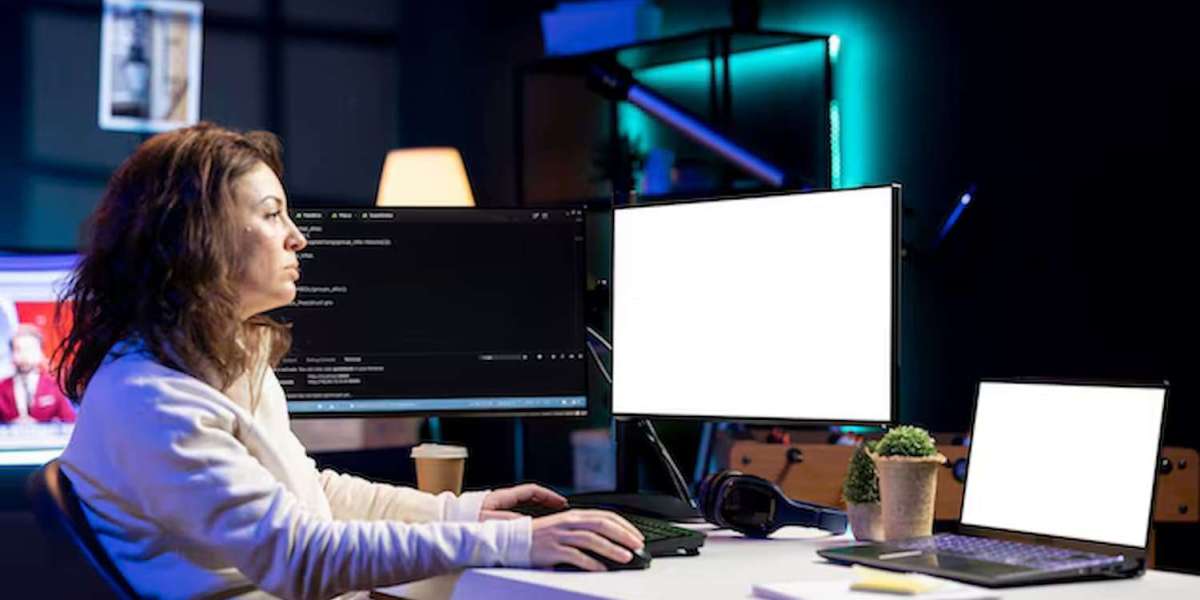

The global shift toward remote work has transformed how organizations operate, communicate, and manage their workforce. Businesses now require technologies that provide secure access, consistent performance, and seamless collaboration regardless of location. A virtual desktop solution has emerged as one of the most effective ways to support remote work while maintaining control over IT infrastructure.
A virtual desktop solution enables employees to access their work environments from anywhere using centralized systems. This approach not only enhances flexibility but also ensures data security and operational efficiency. This article explores the importance, features, and benefits of virtual desktop solutions for remote work, helping organizations understand how to implement them effectively.
Understanding Virtual Desktop Solutions
What is a Virtual Desktop Solution
A virtual desktop solution is a technology that hosts desktop environments on centralized servers and delivers them to users over a network. Instead of relying on physical desktops, employees can log in to a virtual workspace that contains all their applications, files, and settings. This creates a consistent experience across devices.
The best virtual desktop solution separates the user environment from the physical hardware, allowing businesses to manage desktops more efficiently. Employees can access their workspaces from laptops, tablets, or smartphones without compromising performance or security. This flexibility is essential for modern remote work environments.
How It Works
A virtual desktop solution works by creating virtual machines that run desktop operating systems on a central server or cloud platform. Each user is assigned a virtual desktop that they can access securely through a client or browser. All computing processes take place on the server, while the user interacts with the interface remotely.
Key Features of Virtual Desktop Solutions
Secure Remote Access
Security is one of the most important features of a virtual desktop solution. Employees can access their desktops through encrypted connections, ensuring that data remains protected أثناء transmission. Multi factor authentication adds an extra layer of security by verifying user identities.
Centralized data storage ensures that sensitive information is not stored on local devices. This reduces the risk of data breaches caused by lost or compromised hardware. Businesses can maintain a secure environment while enabling remote access.
Centralized Management
A virtual desktop solution provides centralized management, allowing IT administrators to control all desktops from a single interface. This simplifies tasks such as updates, patching, and troubleshooting. IT teams can ensure that all systems are consistent and up to date.
Centralized management also improves visibility into system performance and user activity. Administrators can quickly identify and resolve issues, reducing downtime. This efficiency is essential for maintaining productivity in remote work environments.
Benefits of Virtual Desktop Solutions for Remote Work
Increased Productivity
A virtual desktop solution helps improve productivity by providing employees with uninterrupted access to their work environments. Users can log in from any location and continue their tasks without delays. This eliminates the limitations of traditional office setups.
Consistent access to applications and data ensures that employees can work efficiently. They do not need to worry about transferring files or configuring systems. This streamlined workflow leads to higher output and better performance.
Enhanced Security
Security is a major concern in remote work environments, and a virtual desktop solution addresses this effectively. By centralizing data and implementing advanced security measures, businesses can protect sensitive information. Unauthorized access is minimized through strict access controls.
Real time monitoring and threat detection further enhance security. Organizations can respond quickly to potential risks and maintain a safe working environment. This is especially important for industries handling confidential data.
Cost Efficiency
A virtual desktop solution reduces costs by minimizing the need for high performance hardware and physical office space. Employees can work using standard devices, reducing hardware expenses. Centralized management also lowers IT maintenance costs.
Businesses can optimize their resources and allocate budgets more effectively. This financial efficiency makes virtualization an attractive option for organizations of all sizes.
Supporting Collaboration and Communication
Seamless Team Collaboration
Collaboration is essential for remote teams, and a virtual desktop solution supports this by providing shared access to applications and data. Employees can work together in real time, improving communication and coordination. This reduces delays and enhances decision making.
Centralized systems ensure that all team members have access to the latest information. This eliminates confusion and improves workflow efficiency. Strong collaboration leads to better project outcomes.
Consistent User Experience
A virtual desktop solution ensures that all users have a consistent experience regardless of their location or device. This uniformity reduces the learning curve and helps employees adapt quickly. They can access the same interface, tools, and settings at all times.
Consistency improves confidence and efficiency, allowing employees to focus on their tasks. This contributes to overall productivity and satisfaction within the organization.
Scalability and Flexibility
Adapting to Workforce Changes
Scalability supports business growth and helps organizations respond to changing conditions. Whether expanding teams or managing temporary projects, virtualization provides the flexibility needed to succeed.
Supporting Business Continuity
A virtual desktop solution plays a critical role in ensuring business continuity. Employees can continue working even during disruptions such as natural disasters or system failures. Centralized backups and recovery systems ensure that data remains accessible.
This resilience helps businesses maintain operations and avoid significant losses. It also builds confidence among employees and stakeholders.
Challenges and Considerations
Network Dependency
A virtual desktop solution relies heavily on network connectivity. A stable and high speed internet connection is essential for smooth performance. Poor connectivity can lead to delays and reduced productivity.
Organizations must invest in reliable network infrastructure to ensure a seamless experience. Proper planning and monitoring can help mitigate these challenges.
Initial Setup and Training
Implementing a virtual desktop solution requires careful planning and setup. IT teams must configure servers, security policies, and user access. This process may require time and expertise.
Training employees to use the new system is also important. Proper guidance ensures that users can take full advantage of the solution. This helps maximize the benefits of virtualization.
Future of Virtual Desktop Solutions for Remote Work
Integration with Cloud Technologies
This integration supports global operations and remote work. Businesses can access resources from anywhere, improving efficiency and performance.
Advancements in Automation
Automation is transforming virtual desktop solutions by simplifying management tasks. Automated systems can monitor performance, allocate resources, and detect issues in real time. This reduces the workload on IT teams.
As automation continues to evolve, virtual desktop solutions will become more efficient and user friendly. Organizations that adopt these advancements will benefit from improved operations.
Conclusion
A virtual desktop solution has become an essential tool for supporting remote work in todays digital landscape. By providing secure access, centralized management, and flexibility, it enables organizations to maintain productivity and efficiency. Businesses can adapt to changing work environments while ensuring data security and operational continuity.
The benefits of a virtual desktop solution extend beyond remote work, offering long term advantages such as cost savings, scalability, and improved collaboration. Organizations that invest in this technology can build a resilient and future ready IT infrastructure.
For organizations seeking a reliable and advanced solution, Inuvika OVD Enterprise offers powerful virtual desktop solution capabilities to support remote work and drive digital transformation.