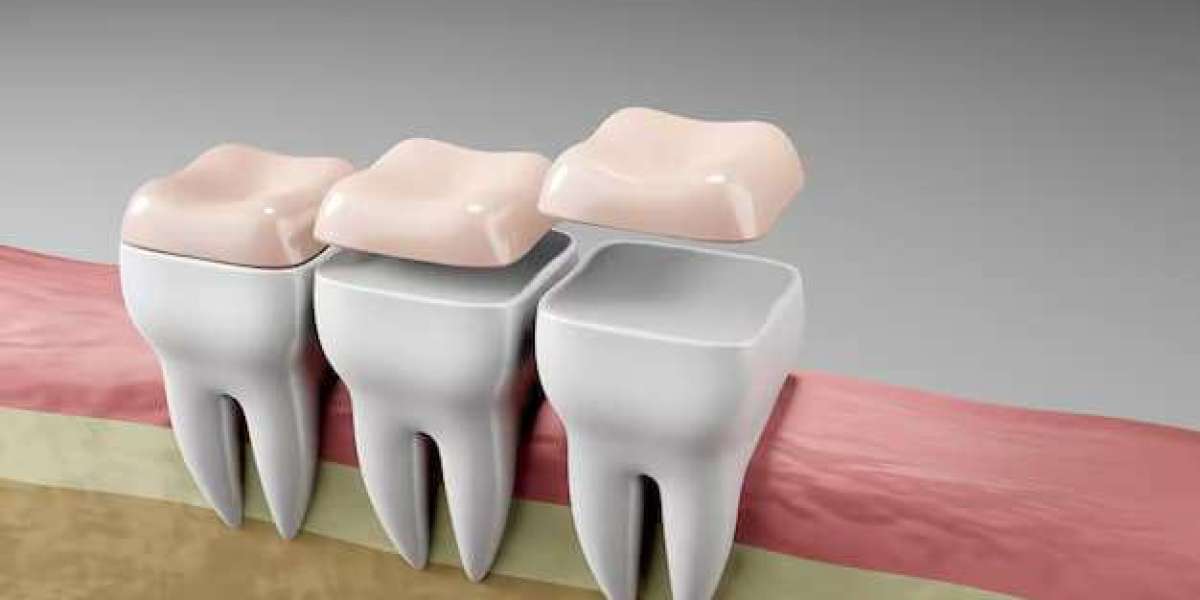

When people search for dental onlay near me, they are often concerned about both the effectiveness and the longevity of the treatment. A dental onlay is a restorative solution designed to repair moderately damaged teeth while preserving as much natural tooth structure as possible. Understanding how long an onlay lasts can help patients make informed decisions about their oral health. This article explores the lifespan of dental onlays, the factors that influence durability, and how proper care can extend their longevity.
What Is a Dental Onlay?
A dental onlay is a custom made restoration that fits over a tooth to repair damage caused by decay or trauma. Unlike a filling, which only covers a small portion, or a crown, which covers the entire tooth, an onlay sits between these two options. It is often used when the damage is too extensive for a filling but not severe enough to require a crown. Onlays are typically made from porcelain, composite resin, or gold, each offering unique benefits.
Types of Materials Used in Dental Onlays
The material used for an onlay plays a significant role in its durability and appearance. Porcelain onlays are popular because they closely match the natural color of teeth and provide excellent strength. Composite resin is more affordable and blends well but may not last as long as porcelain. Gold onlays are extremely durable and can withstand heavy chewing forces, though they are less commonly chosen due to their appearance. Each material has its own lifespan and maintenance needs.
How Dental Onlays Are Placed
The placement of a dental onlay usually requires two visits. During the first appointment, the dentist removes any decayed or damaged portion of the tooth and takes an impression. This impression is sent to a dental lab where the onlay is custom fabricated. A temporary restoration may be placed in the meantime. During the second visit, the permanent onlay is bonded securely to the tooth, restoring its function and shape.
Average Lifespan of a Dental Onlay
Dental onlays are known for their durability and can last anywhere from 10 to 20 years or even longer with proper care. The exact lifespan depends on various factors such as the material used, oral hygiene practices, and lifestyle habits. Porcelain onlays typically last around 10 to 15 years, while gold onlays can last 20 years or more. Composite onlays generally have a shorter lifespan but can still provide reliable performance for several years.
Comparison with Other Dental Restorations
When compared to fillings and crowns, onlays offer a balanced solution in terms of longevity and tooth preservation. Fillings may need replacement more frequently, often within 5 to 10 years. Crowns can last as long as or longer than onlays but require more extensive removal of tooth structure. Onlays strike a balance by providing strength and durability without compromising too much of the natural tooth.
Signs That an Onlay Needs Replacement
Even though onlays are durable, they are not permanent. Over time, they may show signs of wear such as cracks, chips, or loosening. Patients might also experience sensitivity or discomfort around the restored tooth. Regular dental checkups are essential for detecting these issues early. Prompt replacement can prevent further damage and ensure continued oral health.
Factors That Influence the Longevity of Dental Onlays
Several factors can affect how long a dental onlay lasts. Understanding these factors can help patients take proactive steps to extend the life of their restoration.
Oral Hygiene Practices
Good oral hygiene is crucial for maintaining the health of both natural teeth and dental restorations. Brushing twice a day and flossing daily helps prevent decay and gum disease, which can compromise the stability of an onlay. Using fluoride toothpaste and an antibacterial mouthwash can provide additional protection.
Dietary Habits
Diet plays an important role in the longevity of dental onlays. Consuming hard foods such as ice or nuts can cause cracks or damage to the restoration. Sugary and acidic foods can contribute to decay around the edges of the onlay. Maintaining a balanced diet and avoiding excessive consumption of harmful foods can help preserve the restoration.
Teeth Grinding and Clenching
Bruxism, or teeth grinding, can significantly reduce the lifespan of a dental onlay. The constant pressure can cause the material to wear down or crack. Patients who grind their teeth may benefit from wearing a custom night guard to protect their restorations and natural teeth.
Quality of Dental Work
The skill and experience of the dentist performing the procedure also influence the longevity of an onlay. Proper placement, bonding, and finishing techniques ensure a secure fit and reduce the risk of complications. Choosing a qualified dental professional is essential for achieving the best results.
Benefits of Choosing a Dental Onlay
Dental onlays offer several advantages that make them a preferred choice for many patients. They provide a strong and durable solution while preserving more of the natural tooth compared to crowns. This conservative approach helps maintain the structural integrity of the tooth.
Aesthetic Appeal
One of the main benefits of onlays, especially those made from porcelain, is their natural appearance. They can be color matched to blend seamlessly with surrounding teeth, making them virtually indistinguishable. This makes them an excellent option for restoring teeth in visible areas.
Strength and Durability
Onlays are designed to withstand the forces of chewing and biting. Their custom fit ensures even distribution of pressure, reducing the risk of fractures. This strength contributes to their long lifespan and reliability as a restorative option.
Preservation of Natural Tooth Structure
Unlike crowns, which require significant removal of the tooth, onlays preserve more of the healthy structure. This not only maintains the strength of the tooth but also reduces the likelihood of future complications. Preserving natural tooth structure is always a priority in modern dentistry.
Tips to Extend the Life of a Dental Onlay
Taking proper care of a dental onlay can significantly extend its lifespan. Simple daily habits and regular dental visits can make a big difference in maintaining the restoration.
Maintain Regular Dental Checkups
Routine dental visits allow professionals to monitor the condition of the onlay and address any issues early. Cleanings and examinations help prevent problems that could compromise the restoration.
Use Protective Devices When Necessary
For individuals who grind their teeth or engage in contact sports, using protective devices such as night guards or mouthguards can prevent damage. These devices act as a barrier and reduce stress on the onlay.
Avoid Harmful Habits
Habits such as chewing on pens, opening packages with teeth, or biting nails can damage dental restorations. Avoiding these behaviors helps maintain the integrity of the onlay and reduces the risk of fractures.
When to Consider a Dental Onlay
A dental onlay is an ideal solution for patients with moderate tooth damage who want a durable and aesthetically pleasing restoration. It is often recommended when a filling is insufficient but a crown is not necessary. Consulting with a dental professional can help determine if an onlay is the right choice based on the condition of the tooth.
Suitable Candidates for Onlays
Patients with good overall oral health and sufficient remaining tooth structure are typically good candidates for onlays. Those looking for a long lasting and natural looking solution often find onlays to be a suitable option.
Alternatives to Dental Onlays
While onlays are effective, there are other restorative options available. Fillings, crowns, and veneers may be recommended depending on the extent of damage and the location of the tooth. Each option has its own benefits and considerations.
Conclusion
Dental onlays are a reliable and long lasting solution for restoring damaged teeth while preserving natural structure. With proper care and regular dental visits, they can last for many years and provide both functional and aesthetic benefits. Understanding the factors that influence their longevity helps patients make informed decisions and maintain their oral health effectively. For those considering this treatment, consulting a trusted dental provider can ensure the best results. Clove Dental Riverpark is committed to helping patients achieve durable and high quality dental restorations.