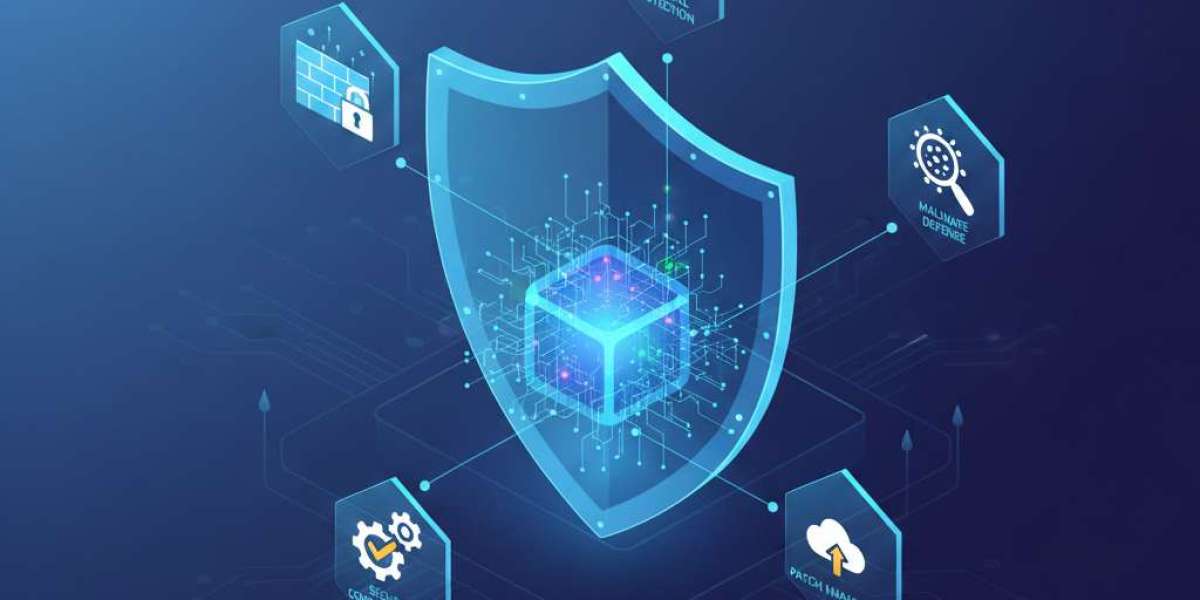

Cyber security essentials are the foundation of a strong digital defence in today’s interconnected business environment. As cyber threats continue to grow in sophistication and frequency, organisations can no longer rely on basic security measures alone. Businesses of all sizes must adopt structured cybersecurity frameworks that provide clear, practical, and effective protection. One of the most widely recognised and trusted frameworks in the UK is the Cyber Essentials scheme — a government-backed certification designed to help organisations safeguard themselves against common cyber risks.
This guide explores what Cyber Essentials is, how it works, why it matters, and how businesses can achieve Cyber Essentials compliance while strengthening their overall security posture.
What is Cyber Essentials?
Cyber Essentials is a cybersecurity standard developed to help organisations implement basic but highly effective technical controls to defend against everyday cyber threats. It is particularly valuable for small and medium-sized enterprises (SMEs) that may not have dedicated security teams but still need strong digital protection.
The framework focuses on five key technical controls:
Secure configuration of devices and systems – ensuring computers, laptops, and servers are set up safely.
Boundary firewalls and internet gateways – protecting networks from unauthorised access.
Access control and user permissions – preventing unauthorised individuals from accessing sensitive systems.
Malware protection – using antivirus and security tools to block malicious software.
Patch management and updates – keeping software up to date to eliminate vulnerabilities.
By implementing these controls, organisations significantly reduce their exposure to common cyber attacks such as phishing, ransomware, and malware infections.
Why Cyber Essentials is Important for Businesses
Cyber threats are no longer limited to large corporations. Small businesses, startups, and mid-sized organisations are increasingly targeted because they often lack robust security systems. Adopting the Cyber Essentials standard helps businesses build a strong cybersecurity foundation.
1. Protects Against Common Cyber Attacks
Many cyber breaches occur due to basic security weaknesses like outdated software, weak passwords, or unsecured networks. Cyber Essentials addresses these vulnerabilities by enforcing structured security measures that reduce risk significantly.
2. Builds Trust with Clients and Partners
Achieving Cyber Essentials compliance demonstrates to customers, suppliers, and business partners that your organisation takes cybersecurity seriously. It reassures stakeholders that their data is protected and handled responsibly.
3. Helps Secure Government and Corporate Contracts
Many government contracts and corporate tenders now require businesses to hold Cyber Essentials certification. Without this accreditation, companies may be ineligible to bid for certain projects, limiting growth opportunities.
4. Supports Legal and Regulatory Compliance
With increasing data protection regulations, businesses must prove they have taken reasonable steps to secure sensitive information. Cyber Essentials helps organisations meet these expectations by implementing recognised security controls.
Cyber Essentials vs Cyber Essentials Plus
There are two levels of certification: Cyber Essentials and Cyber Essentials Plus. Understanding the difference helps businesses choose the right option based on their security needs.
Cyber Essentials (Basic Certification)
This is the entry-level certification, which involves a self-assessment questionnaire completed by the organisation. The answers are reviewed by an accredited certification body to confirm compliance with the Cyber Essentials standard.
This level is ideal for small businesses, startups, and organisations looking to establish a baseline level of cybersecurity without undergoing extensive technical testing.
Cyber Essentials Plus (Advanced Certification)
Cyber Essentials Plus provides a higher level of assurance by including hands-on technical testing of systems and networks. Independent assessors conduct vulnerability scans and security checks to verify that the controls are properly implemented in real-world environments.
This level is particularly beneficial for businesses handling sensitive data, working in regulated industries, or bidding for high-risk contracts.
How to Achieve Cyber Essentials Certification
The process of obtaining certification is structured and straightforward:
Initial Security Assessment – Businesses review their existing cybersecurity measures to identify gaps.
Implementation of Controls – Necessary security improvements are made to align with the Cyber Essentials standard.
Completion of Questionnaire – Organisations submit their self-assessment for review.
Independent Verification – An accredited body evaluates the submission and confirms compliance.
Certification Awarded – Once approved, the organisation receives official accreditation.
Annual Renewal – Certification must be renewed every year to maintain compliance.
For businesses choosing Cyber Essentials Plus, additional technical testing is conducted before certification is granted.
How Cyber Essentials Strengthens Overall Cybersecurity
While Cyber Essentials does not cover every possible cyber threat, it establishes a strong baseline level of protection. It helps organisations move from reactive security measures to proactive risk management.
Many businesses use Cyber Essentials as a stepping stone toward more advanced cybersecurity frameworks such as ISO 27001 or SOC 2. By first achieving Cyber Essentials compliance, organisations build a solid foundation for future security improvements.
Conclusion
In today’s digital world, Cyber security essentials are not optional — they are a business necessity. The Cyber Essentials framework provides a practical, structured, and cost-effective way for organisations to protect themselves from common cyber threats while building credibility and trust.
Whether a business chooses basic Cyber Essentials certification or the more rigorous Cyber Essentials Plus, both options help strengthen security, reduce risk, and enhance reputation. By investing in cybersecurity today, organisations protect not only their systems but also their customers, partners, and future growth opportunities.
FAQs
1. What is Cyber Essentials?
Cyber Essentials is a government-backed cybersecurity certification that helps businesses implement fundamental security controls to protect against common cyber threats.
2. Who should apply for Cyber Essentials?
Any organisation that handles digital data, uses the internet, or stores customer information should consider Cyber Essentials certification.
3. What is the difference between Cyber Essentials and Cyber Essentials Plus?
Cyber Essentials is based on self-assessment, while Cyber Essentials Plus includes independent technical testing of systems.
4. How long is Cyber Essentials certification valid?
Certification is valid for 12 months and must be renewed annually.
5. Does Cyber Essentials guarantee complete protection?
No. It provides essential baseline protection but should be combined with other security measures for maximum safety.