
In today’s fast-paced industrial and commercial environments, workplace safety is not just a priority—it’s a necessity. Businesses must take proactive steps to protect employees, reduce risks, and stay compliant with safety regulations. One of the most effective yet often overlooked tools in workplace safety is the danger label. These labels play a critical role in hazard communication, helping prevent accidents and ensuring a safer working environment for everyone.
What Are Danger Labels?
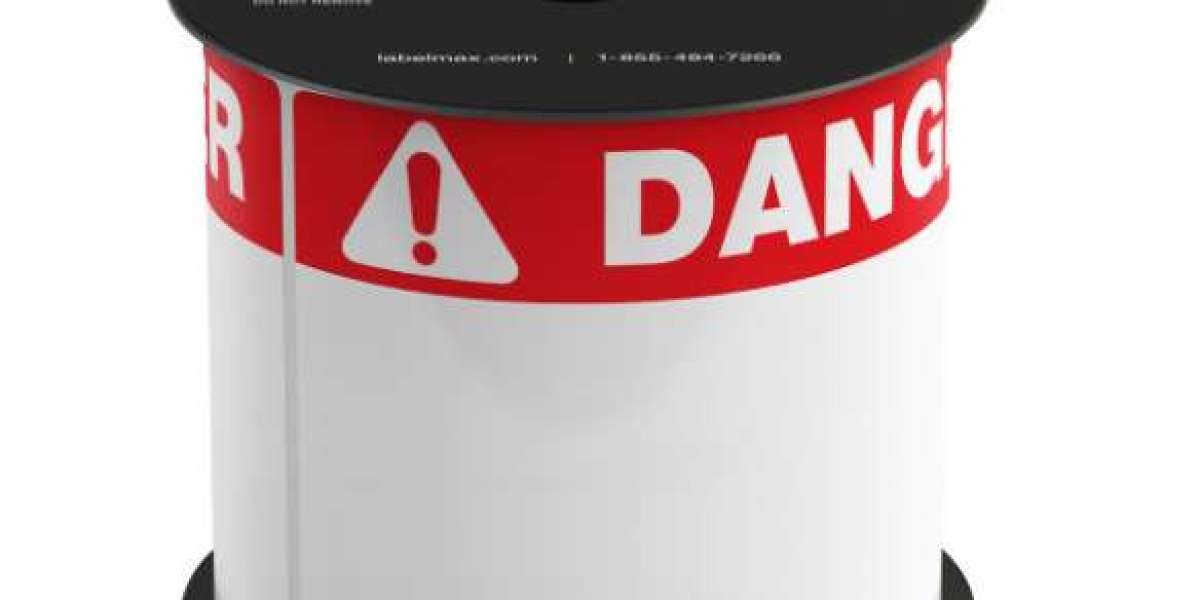
Danger labels are highly visible safety signs used to warn individuals about immediate hazards that could result in serious injury or even death. These labels typically feature a bold “DANGER” heading, often in red, along with clear symbols and concise text that describe the specific risk.
You’ll commonly find danger labels on machinery, electrical panels, chemical containers, and restricted areas. Their purpose is simple but powerful: to alert workers instantly and encourage them to take necessary precautions.
Why Are Danger Labels Crucial?
Hazard Identification
The primary role of danger labels is to clearly identify workplace hazards. Whether it’s high voltage equipment, toxic chemicals, or moving machinery, these labels provide immediate awareness. Without proper labeling, employees may unknowingly expose themselves to serious risks.
OSHA Compliance
Workplace safety regulations require employers to properly communicate hazards. Organizations like OSHA mandate the use of standardized labels to ensure that employees are informed about potential dangers. Failing to comply with these regulations can result in penalties, legal issues, and increased liability.
Clear and Universal Communication
Workplaces often include employees from different backgrounds and language groups. Danger labels use universally recognized symbols, colors, and simple wording to communicate risks effectively. This reduces confusion and ensures that safety messages are understood by everyone.
Accident Prevention
Proper labeling is a proactive safety measure. By clearly marking dangerous areas and equipment, businesses can significantly reduce workplace accidents. This not only protects employees but also minimizes downtime, medical costs, and operational disruptions.
Implementing OSHA-Compliant Danger Labels
To maximize the effectiveness of danger labels, businesses must follow a structured approach when implementing them.
Conduct a Hazard Assessment
Start by identifying all potential hazards in your workplace. This includes machinery, chemical exposure, electrical systems, and confined spaces. A detailed assessment ensures that no risk goes unnoticed.
Choose the Right Labels
Select labels that meet safety standards and are appropriate for the specific hazard. Look for features like weather resistance, strong adhesives, and high visibility to ensure long-term performance.
Ensure Proper Placement
Labels should be placed where they are easily visible and directly associated with the hazard. Position them at eye level whenever possible and ensure they are not obstructed by equipment or poor lighting.
Maintain and Update Regularly
Safety labeling is not a one-time task. Labels can wear out, fade, or become damaged over time. Regular inspections and timely replacements are essential to maintain effectiveness and compliance.
Benefits of Die-Cut Danger Labels
Die-cut danger labels offer several advantages that make them ideal for industrial environments.
Custom Fit and Design
These labels can be tailored to fit specific shapes and surfaces, ensuring better coverage and visibility on different types of equipment.
Strong Adhesion
Die-cut labels are designed to stick firmly to various surfaces, including metal, plastic, and textured materials. This reduces the chances of peeling or detachment.
Professional Appearance
A clean, precise finish enhances the overall look of the label, reinforcing the seriousness of the safety message.
Long-Lasting Durability
Made from high-quality materials, die-cut labels can withstand harsh conditions such as heat, moisture, and chemical exposure, making them reliable for long-term use.
Future Trends in Safety Labeling
Workplace safety is evolving, and labeling technology is advancing along with it.
Smart Labels
Modern labels are beginning to include QR codes and NFC technology, allowing workers to access detailed safety instructions or training materials instantly.
Eco-Friendly Materials
As sustainability becomes more important, manufacturers are developing labels using environmentally friendly materials without compromising durability.
Augmented Reality (AR) Integration
AR is being explored as a tool for safety training. Workers may soon use mobile devices to scan labels and view interactive safety demonstrations, improving understanding and awareness.
Conclusion
Danger labels are a simple yet powerful tool in maintaining workplace safety. They provide clear hazard identification, support regulatory compliance, and play a vital role in preventing accidents. By implementing high-quality, OSHA-compliant labeling solutions, businesses can create safer environments, protect employees, and improve overall operational efficiency.