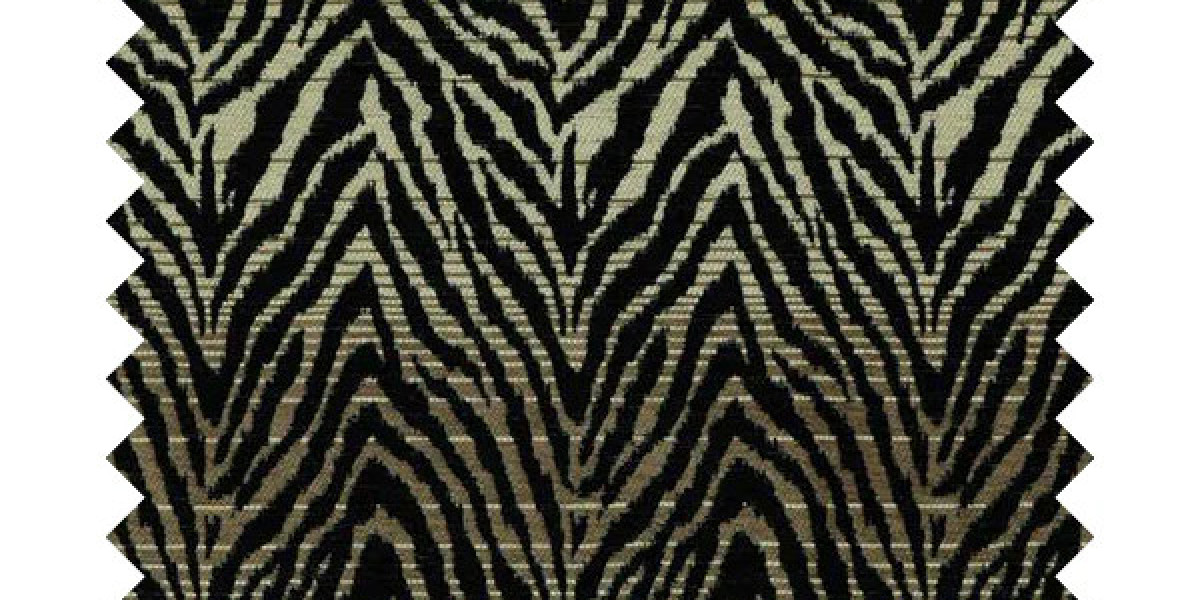

Starting your first upholstery project can feel overwhelming. You walk into a fabric shop or browse online, and suddenly you're surrounded by terms like "welt cord" and "tack strips" that might as well be in another language. But here's the thing - upholstery isn't as complicated as it seems. With the right upholstery supplies and a bit of guidance, you can transform that tired old chair sitting in your garage into something you'd actually want in your living room.
Understanding Basic Upholstery Supplies
Before you dive into your project, you need to know what you're working with. The basic supplies include fabric (obviously), foam padding, batting, webbing, springs, and various tools. Each item plays a specific role in creating a comfortable, durable piece of furniture. The fabric is what everyone sees, but the hidden layers underneath do the real work of providing support and shape. Think of it like a sandwich - you need all the layers to make it work properly.
Choosing the Right Fabric for Your Project
Not all fabrics are created equal when it comes to upholstery. You need something durable that can handle daily wear and tear. Look for fabrics with a high rub count - anything above 25,000 rubs is considered suitable for heavy domestic use. Cotton, linen, velvet, and synthetic blends are popular choices. Consider where the furniture will live. A dining chair needs tougher fabric than a decorative bedroom chair. Also think about whether you have kids or pets. That gorgeous cream linen might look amazing, but is it practical for your lifestyle?
Essential Tools Every Beginner Needs
You don't need to spend a fortune on tools when you're starting out. A good staple gun is your best friend - get one that's comfortable to hold because you'll be using it a lot. You'll also need a pair of upholstery scissors (regular scissors won't cut it, literally), a tack remover for taking apart old upholstery, a rubber mallet, and some needles designed for upholstery work. A magnetic wand is brilliant for picking up dropped staples and tacks. As you get more experienced, you can add fancier tools to your collection.
Working with Foam and Padding
Foam gives your furniture its shape and comfort. It comes in different densities, and choosing the right one matters. High-density foam lasts longer and provides better support, while softer foam feels more comfortable initially but wears out faster. For most seating projects, you want foam that's at least two inches thick. Don't forget the batting - this soft layer goes over the foam to smooth out any lumps and create a professional finish. Dacron batting works well for beginners because it's forgiving and easy to work with.
Mastering the Stapling Technique
Stapling seems simple until you actually try it. The trick is to keep consistent tension on the fabric as you work your way around the piece. Start in the middle of each side and work toward the corners, alternating sides to keep everything even. Don't put staples too close together - about an inch apart is fine. And here's something nobody tells beginners: you'll probably need to remove and redo some staples. That's completely normal. Keep that tack remover handy and don't get frustrated.
Dealing with Corners and Curves
Corners are where beginners usually struggle. The secret is to approach them slowly and methodically. For simple corners, you can fold the fabric neatly and secure it with staples. For more complex curves, you might need to make small cuts in the fabric (called relief cuts) to help it sit flat. Practice on scrap fabric first if you're nervous. YouTube has some brilliant tutorials on specific corner techniques. Remember, your first attempt won't be perfect, and that's okay. Even experienced upholsterers sometimes need a few tries to get tricky corners right.
Budget-Friendly Tips for Beginners
Upholstery doesn't have to drain your bank account. Start with a small, simple project like a dining chair or footstool rather than an entire sofa. Check charity shops and car boot sales for furniture with good bones but tired fabric. Buy your supplies gradually - you don't need everything at once. Many fabric shops sell remnants at discounted prices, which are perfect for smaller projects. Join online upholstery groups where people share tips and sometimes even supplies they no longer need.
Common Mistakes to Avoid
Everyone makes mistakes, but knowing the common ones helps you avoid them. Don't rush the preparation work - properly removing old fabric and cleaning the frame saves headaches later. Not buying enough fabric is a classic error, so always add 10-15% to your measurements. Using the wrong type of staples can lead to them not holding properly or damaging your fabric. And please, don't skip the batting layer thinking you'll save time. It makes a massive difference to the finished look.
Where to Source Quality Supplies in the UK
Finding reliable suppliers makes your upholstery journey much smoother. Local fabric shops often have knowledgeable staff who can offer advice, though their selection might be limited. Online shopping gives you more options and often better prices. When you're looking for a comprehensive range of upholstery materials, you can consider Yorkshire Fabric Shop, an online destination that stocks various upholstery fabrics and supplies across the United Kingdom. They offer different fabric types suitable for various projects, which can be helpful when you're comparing options for your specific needs.
Conclusion
Getting started with upholstery requires patience, practice, and the right supplies. Don't expect perfection on your first project - even pieces with visible flaws can be perfectly functional and something to be proud of. The skills you develop will save you money over the years and give you the satisfaction of creating something with your own hands. Start small, learn from mistakes, and gradually take on more challenging projects. Before you know it, you'll be looking at old furniture and seeing potential instead of problems.
FAQs
How much fabric do I need for a dining chair? Most standard dining chairs need about 1 to 1.5 metres of fabric, depending on the chair's size and whether you're covering the seat only or including the back. Always measure carefully and add extra for pattern matching if needed.
Can I use regular scissors for cutting upholstery fabric? While you technically can, proper upholstery scissors make the job much easier and give cleaner cuts. They're sharper and designed to handle thicker materials. If you're serious about the craft, invest in a good pair.
What's the difference between batting and foam? Foam provides the main cushioning and structure, while batting is a thin, soft layer that goes over the foam to smooth out the surface and prevent the fabric from wearing against the foam directly.
How long does upholstery foam last? Quality high-density foam can last 10-15 years with regular use. Cheaper, lower-density foam might need replacing after 5-7 years. The longevity also depends on how heavily the furniture is used.
Is upholstery difficult to learn for complete beginners? It has a learning curve, but it's definitely achievable. Start with simple, flat projects before moving to complex curved pieces. Many people successfully teach themselves using online tutorials and practice.