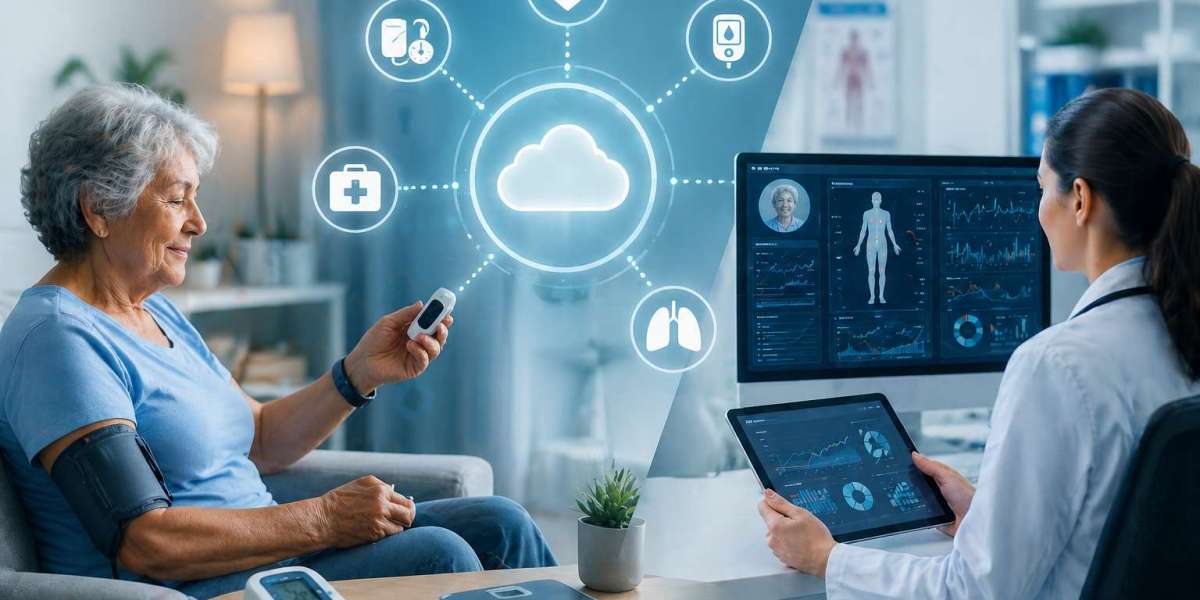

Healthcare is rapidly moving beyond hospital walls. One of the biggest drivers of this shift is Remote Patient Monitoring (RPM) — a care model that allows clinicians to track patients’ health data in real time using connected devices, apps, and cloud platforms.
From chronic disease management to post-surgery recovery, RPM is transforming how care is delivered, making it more proactive, efficient, and patient-centered.
In this blog, we explore the major benefits of remote patient monitoring for both patients and healthcare providers.
What Is Remote Patient Monitoring?
Remote Patient Monitoring involves collecting patient health data outside traditional healthcare settings and securely sharing it with providers for continuous care.
Common RPM devices include:
- Blood pressure monitors
- Glucose meters
- Pulse oximeters
- Smart wearables
- Weight scales
- ECG monitors
These tools help clinicians detect issues early and intervene before problems escalate.
Benefits of Remote Patient Monitoring for Patients
1. Better Access to Care From Home
RPM eliminates the need for frequent in-person visits, especially for:
- Elderly patients
- Rural populations
- Mobility-limited individuals
- Busy working professionals
Patients can receive high-quality care without travel, long wait times, or disruptions to daily life.
Result: Healthcare becomes more accessible and convenient.
2. Early Detection of Health Issues
Continuous monitoring allows providers to identify warning signs before symptoms worsen.
Examples:
- Rising blood pressure trends
- Abnormal heart rate patterns
- Sudden weight gain in heart failure patients
- Blood sugar spikes
Early detection means earlier intervention, which can prevent complications and hospitalizations.
3. Greater Patient Engagement
RPM empowers patients to actively participate in their care.
Patients can:
- Track their own health metrics
- Understand how lifestyle affects outcomes
- Stay motivated with real-time feedback
This leads to improved adherence to treatment plans and healthier habits.
4. Improved Chronic Disease Management
RPM is especially powerful for managing long-term conditions like:
- Diabetes
- Hypertension
- Heart disease
- COPD
- Obesity
Instead of occasional checkups, patients receive continuous care, resulting in better long-term outcomes.
5. Reduced Hospital Visits and Readmissions
With continuous monitoring and timely interventions, RPM helps prevent emergency situations.
Benefits include:
- Fewer ER visits
- Shorter hospital stays
- Lower risk of readmission
Patients enjoy peace of mind knowing their health is being watched continuously.
6. Increased Comfort and Quality of Life
Receiving care at home reduces stress and anxiety associated with hospital visits.
Patients experience:
- More independence
- Less disruption to daily routines
- Better mental wellbeing
Healthcare becomes less intimidating and more supportive.
Benefits of Remote Patient Monitoring for Healthcare Providers
7. Proactive Instead of Reactive Care
Traditional care often reacts to problems after symptoms appear. RPM flips this model.
Providers can:
- Identify risks early
- Intervene before complications arise
- Deliver preventive care
This shift leads to better outcomes and more efficient care delivery.
8. Improved Clinical Decision-Making
RPM provides a continuous stream of real-world health data instead of isolated snapshots.
Clinicians gain:
- More accurate patient insights
- Trend-based analysis
- Data-driven treatment plans
Better data leads to better decisions.
9. Reduced Healthcare Costs
RPM helps healthcare organizations reduce costs by:
- Preventing hospital readmissions
- Reducing emergency visits
- Optimizing resource utilization
- Minimizing unnecessary appointments
It supports value-based care models focused on outcomes.
10. Increased Operational Efficiency
Remote monitoring allows providers to manage more patients without increasing workload dramatically.
Benefits include:
- Automated data collection
- Remote triaging
- Efficient scheduling
- Better care coordination
Clinicians can focus attention where it’s needed most.
11. Stronger Patient–Provider Relationships
Frequent virtual touchpoints and proactive outreach build trust.
Patients feel:
- Supported and cared for
- Connected to their providers
- Confident in their treatment plans
RPM strengthens communication and long-term engagement.
12. Better Population Health Management
RPM enables healthcare systems to monitor large patient groups simultaneously.
This helps providers:
- Identify at-risk populations
- Track health trends
- Improve community health outcomes
- Support preventive care initiatives
It’s a powerful tool for large-scale healthcare transformation.
Why Remote Patient Monitoring Is the Future of Healthcare
Remote Patient Monitoring bridges the gap between patients and providers, bringing healthcare into everyday life.
It delivers a win-win outcome:
- Patients receive convenient, personalized care
- Providers deliver smarter, more efficient treatment
As healthcare continues to evolve toward digital and value-based care models, RPM will play a central role in shaping the future of medicine.