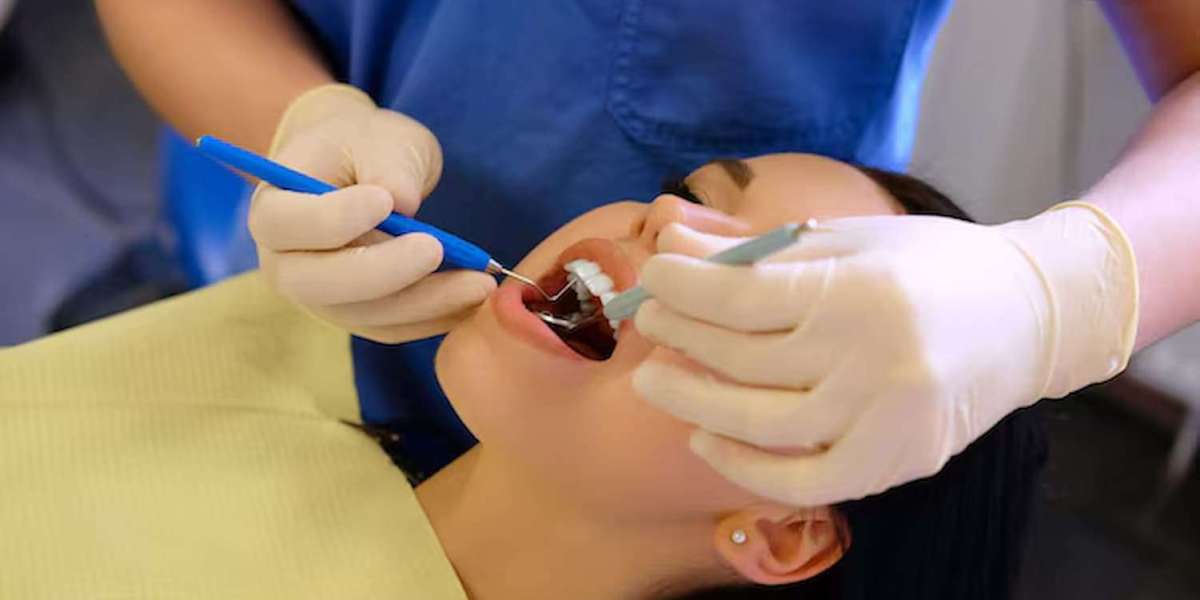

Dental restorations have advanced significantly, providing patients with options that preserve tooth structure while restoring function and appearance. A dental onlay is one such solution, designed to repair teeth that have been damaged due to decay or fractures. Many patients searching for dental onlay near me are looking for a treatment that is both effective and minimally invasive. This article provides a comprehensive overview of what to expect before, during, and after receiving a dental onlay.
Understanding Dental Onlays
What Is a Dental Onlay?
A dental onlay is a type of restoration used to repair a damaged tooth when the decay or fracture is too extensive for a simple filling but not severe enough for a full crown. Unlike traditional fillings, onlays cover one or more cusps of the tooth, providing strength and support. They can be made from materials such as porcelain, gold, or composite resin, and are custom-made to fit the exact contours of the affected tooth.
When Is a Dental Onlay Needed?
Dental onlays are recommended in cases of moderate decay, cracked teeth, or large fillings that have weakened the tooth structure. They are particularly beneficial for preserving as much of the natural tooth as possible while providing long-lasting protection. Patients who notice discomfort when biting or visible damage to their teeth may benefit from consulting a dentist for a dental onlay.
The Dental Onlay Procedure
Initial Consultation and Examination
The process begins with a thorough examination by a dental professional. X-rays may be taken to assess the extent of the damage and to determine whether an onlay is the most suitable treatment option. During this consultation, patients can discuss their concerns, review the available materials for the onlay, and understand the steps involved in the procedure.
Tooth Preparation
Before placing an onlay, the dentist removes any decay or old filling material from the tooth. The tooth is then shaped to accommodate the onlay, which ensures a precise fit. This step is crucial for maintaining the tooth’s integrity and for preventing further damage. Local anesthesia is typically used to ensure patient comfort during the preparation process.
Taking Impressions
Once the tooth is prepared, impressions are taken to create a custom onlay that perfectly matches the patient’s tooth anatomy. These impressions can be made using traditional molds or digital scanning technology, which allows for highly accurate fabrication of the onlay. The chosen material, whether porcelain, gold, or composite resin, is also confirmed at this stage.
Temporary Onlay Placement
While the permanent onlay is being fabricated in the dental lab, a temporary onlay may be placed to protect the prepared tooth. This temporary restoration helps maintain normal function and prevents sensitivity, allowing patients to continue their daily activities without discomfort.
Receiving the Permanent Dental Onlay
Fitting and Adjustment
Once the permanent onlay is ready, the dentist removes the temporary restoration and fits the custom onlay onto the tooth. Adjustments are made to ensure that the bite is comfortable and that the onlay aligns perfectly with adjacent teeth. This step is important to prevent issues such as discomfort, uneven wear, or damage to the surrounding teeth.
Bonding the Onlay
After confirming the fit, the onlay is bonded to the tooth using strong dental cement. This bonding process not only secures the restoration in place but also reinforces the tooth structure, enhancing durability. The dentist will check the bite one last time and polish the onlay for a natural appearance that blends seamlessly with the rest of the teeth.
Post-Procedure Care
Patients may experience mild sensitivity or discomfort for a few days following the placement of a dental onlay. This is normal and usually resolves on its own. Proper oral hygiene practices, including regular brushing and flossing, are essential for maintaining the longevity of the onlay. Avoiding hard or sticky foods immediately after placement can help prevent damage during the initial healing period.
Advantages of Dental Onlays
Preservation of Natural Tooth Structure
One of the main benefits of dental onlays is their conservative approach. Unlike crowns that require significant removal of tooth structure, onlays preserve most of the natural tooth while still providing protection and strength.
Longevity and Durability
Dental onlays are highly durable and can last many years with proper care. Porcelain and gold onlays are particularly resistant to wear, making them a reliable solution for restoring damaged teeth.
Aesthetic Appeal
Onlays made from tooth-colored materials, such as porcelain or composite resin, blend seamlessly with natural teeth. This provides patients with a functional and aesthetically pleasing restoration that enhances their smile.
Reduced Risk of Further Damage
By covering and reinforcing the damaged portion of the tooth, onlays prevent further fractures or decay. This reduces the likelihood of needing more extensive treatments in the future, such as crowns or root canal therapy.
Maintaining Your Dental Onlay
Routine Dental Check-Ups
Regular dental visits are essential to monitor the condition of the onlay and overall oral health. During these visits, the dentist can identify any issues early and provide maintenance care if needed.
Proper Oral Hygiene
Brushing twice daily and flossing around the onlay helps prevent plaque buildup and decay at the margins of the restoration. Using fluoride toothpaste can further strengthen enamel and protect both the onlay and natural tooth.
Avoiding Harmful Habits
Patients should avoid habits such as chewing ice, biting fingernails, or using teeth as tools, as these behaviors can damage both natural teeth and onlays. Wearing a mouthguard during sports can also prevent trauma to the restoration.
Diet Considerations
While dental onlays are durable, patients should be mindful of excessively hard or sticky foods that may place undue stress on the restoration. Maintaining a balanced diet and limiting sugary snacks can support overall oral health and the longevity of the onlay.
Conclusion
Dental onlays are a highly effective solution for restoring damaged teeth while preserving natural tooth structure. From initial consultation to permanent placement, patients can expect a precise, customized, and comfortable treatment process. With proper care, a dental onlay can last for many years, improving both function and aesthetics. For professional guidance and expert placement of dental onlay near me, puridentistry offers specialized care, ensuring that each patient receives a long-lasting and beautifully restored smile.
Click here to connect with dental experts offering personalized care in Oxnard.