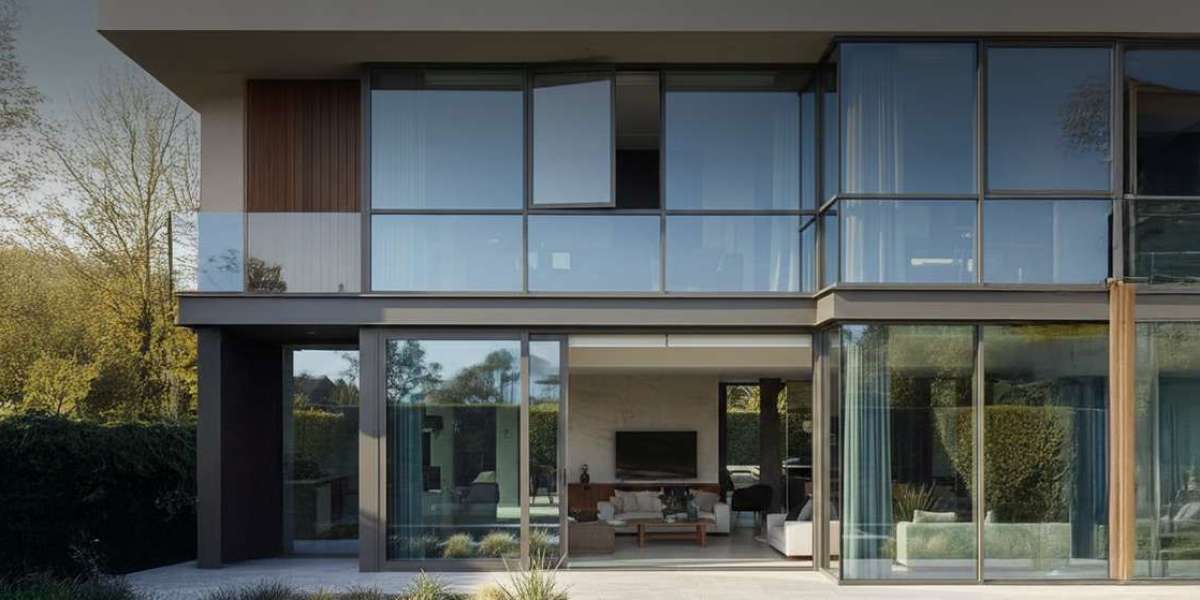

Many homes still struggle with poor ventilation, dark rooms, and heavy window frames that block natural light. Older window systems often limit airflow and make spaces feel smaller or closed off. Over time, this affects both comfort and the overall look of a home.
As modern homes focus more on openness and natural light, homeowners are now looking for window solutions that improve both functionality and design. Heavy materials and outdated window styles no longer match the clean and minimal look of contemporary homes.
This is where modern aluminium window design is becoming the preferred choice.
Aluminium frames are strong, slim, and durable, allowing larger glass panels without making the window look heavy. Because of this, aluminium window design for home spaces is widely used in new residential projects. From sliding windows to tilt-and-turn systems, several aluminium window styles are shaping the way modern homes are designed today.
Key Aluminium Window Design Trends
1. Sliding Aluminium Windows
Sliding windows are one of the most common choices in modern homes, especially in apartments and urban spaces. Instead of opening inward or outward, the window panels move horizontally along a track.
This design saves space and makes the window easy to operate. Because there is no swing movement, sliding windows work well in areas like kitchens, balconies, and smaller bedrooms.
Another advantage is the wider glass panels they support. This allows more daylight to enter the room and improves the view outside. For homeowners looking for a practical yet stylish aluminium window design, sliding windows remain one of the most reliable options.
2. Casement Aluminium Windows
Casement windows are another popular choice for homeowners who prioritise airflow. These windows are attached to the frame with hinges on one side and open outward like a door.
When fully opened, casement windows allow a strong flow of fresh air into the room. This makes them ideal for spaces like living rooms and bedrooms where ventilation is important.
Modern aluminium window design for home applications often uses casement windows because aluminium frames are durable and corrosion-resistant. They also support large glass panels while maintaining a sleek and modern appearance.
3. Fixed Aluminium Windows
Fixed windows do not open, but they serve an important purpose in modern home design. These windows are designed to maximise natural light and provide clear views of the outside.
Because they have no moving parts, fixed windows allow larger, uninterrupted glass panels. This makes them ideal for staircases, living rooms, and spaces that overlook gardens or scenic views.
Many architects combine fixed windows with other window types, such as sliding or casement windows. This creates a balanced modern aluminium window design that improves both light and ventilation.
4. Aluminium Ventilator Windows
Ventilator windows are small openings designed mainly for airflow. They are commonly used in bathrooms, kitchens, and utility areas where constant ventilation is needed.
Aluminium ventilators are durable and easy to maintain, making them suitable for spaces exposed to moisture and humidity. These windows are usually installed higher on the wall to allow fresh air to circulate while maintaining privacy.
Even though they are small, ventilators play an important role in improving indoor air quality. Including ventilator systems in an aluminium window design for home layouts ensures that every room receives adequate airflow.
5. Tilt-and-Turn Aluminium Windows
Tilt-and-turn windows are becoming increasingly popular in modern homes because of their flexibility. These windows offer two opening options using a single handle.
The window can swing open fully like a casement window or tilt slightly inward from the top to allow controlled ventilation. The tilt position lets fresh air enter the room while preventing rainwater from coming inside.
This design is particularly useful in high-rise apartments because it improves safety and makes cleaning easier. Due to these practical advantages, tilt-and-turn systems are now considered a smart addition to modern aluminium window design.
Conclusion
Modern homes require windows that offer more than just basic functionality. They need solutions that improve natural lighting, ventilation, and overall aesthetics. This is why aluminium windows have become a preferred choice for architects and homeowners.
Different window styles, such as sliding, casement, fixed, ventilator, and tilt-and-turn systems, allow homeowners to choose designs that suit each room’s purpose. Together, they create a balanced aluminium window design for home spaces that supports comfort, efficiency, and modern aesthetics.
Leading window brands like Alteza offer aluminium window systems designed to meet these evolving needs, combining durability, sleek design, and reliable performance for contemporary homes.
FAQ’s
Q1. Which aluminium window design is best for modern homes?
A. Sliding, casement, and fixed windows are the most commonly used in modern homes. The right aluminium window design depends on the room size, ventilation needs, and layout.
Q2. Why choose aluminium window design for home spaces?
A. Aluminium windows are strong, low-maintenance, and support slim frames with larger glass panels. This makes aluminium window design for home ideal for modern, light-filled spaces.
Q3. What are the common types in modern aluminium window design?
A. Popular options include sliding windows, casement windows, fixed windows, ventilators, and tilt & turn windows. Each type supports different ventilation and design needs.