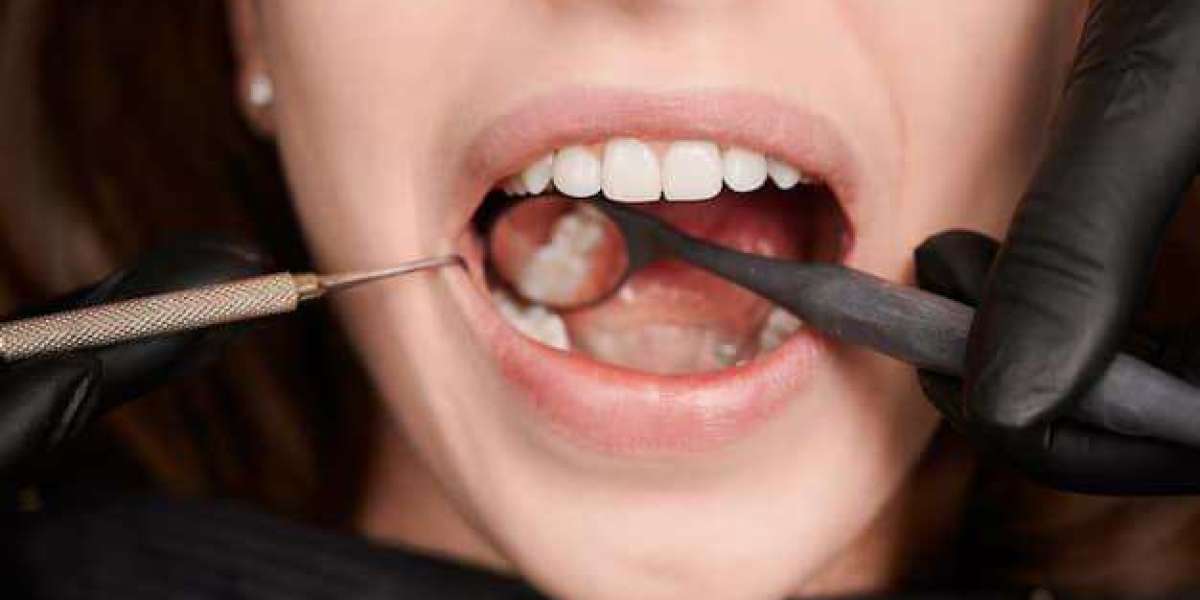

Preventive dentistry plays a vital role in maintaining long-term oral health, especially when it comes to protecting teeth from decay. One of the most effective preventive treatments available today is the use of tooth sealant, a thin protective coating applied to the chewing surfaces of teeth. Sealants act as a barrier against bacteria and food particles that often collect in deep grooves and pits. Both children and adults can benefit from this simple yet powerful preventive solution. Understanding how sealants work helps patients make informed decisions about cavity prevention. With proper application and care, sealants significantly reduce the risk of tooth decay and support healthier smiles.
What Is a Tooth Sealant
Purpose and Function
A tooth sealant is a protective resin material placed on the chewing surfaces of molars and premolars. These back teeth naturally contain grooves that can trap food debris and bacteria. Even with regular brushing, these areas are difficult to clean thoroughly. Tooth sealant fills and smooths these grooves, preventing harmful substances from settling into them. This protective layer acts as a shield against cavity-causing acids. The treatment is quick, painless, and highly effective in preventive dental care.
Who Can Benefit from Sealants
Sealants are commonly recommended for children and teenagers as soon as permanent molars erupt. However, adults without existing decay or fillings in their molars can also benefit. Patients prone to cavities often find tooth sealant treatment especially helpful. Preventive protection reduces the likelihood of future dental procedures. Dentists evaluate each patient’s risk factors before recommending sealants. Early prevention supports stronger teeth and improved oral health outcomes.
How Tooth Sealants Prevent Cavities
Blocking Bacteria and Food Particles
The chewing surfaces of molars contain tiny fissures where bacteria thrive. Tooth sealant creates a smooth surface that blocks these areas from accumulating plaque. By sealing vulnerable spots, the treatment prevents bacteria from producing acids that weaken enamel. Patients receiving tooth sealant protection experience a lower risk of decay in treated teeth. This barrier remains effective for years when maintained properly. Preventive care helps minimize the need for restorative treatments.
Strengthening Preventive Oral Care
Sealants work best when combined with good oral hygiene habits. Brushing, flossing, and regular dental visits enhance the effectiveness of tooth sealant protection. Preventive treatments reduce long-term dental expenses by avoiding cavities before they develop. Patients often notice improved confidence knowing their teeth have added protection. Sealants complement fluoride treatments and professional cleanings. Together, these preventive measures support lasting dental health.
The Tooth Sealant Procedure
Step-by-Step Application
The application process is simple and usually completed in a single dental visit. First, the tooth is cleaned thoroughly to remove plaque and debris. A special solution prepares the enamel surface for bonding. The tooth sealant material is then painted onto the tooth and hardened using a curing light. The process takes only a few minutes per tooth. Patients can resume normal activities immediately after treatment.
Comfort and Safety
Sealant application is painless and does not require drilling or anesthesia. Patients of all ages tolerate the procedure comfortably. Tooth sealant materials are safe and widely used in preventive dentistry worldwide. Dentists carefully check the sealant to ensure proper coverage and bite alignment. Regular checkups help monitor the condition of the sealant over time. Maintenance ensures continued protection against cavities.
Advantages of Tooth Sealants
Long-Lasting Protection
Sealants can protect teeth for several years with proper care. During routine dental visits, dentists evaluate whether reapplication is needed. Tooth sealant durability makes it a cost-effective preventive solution. Patients benefit from extended cavity protection without ongoing discomfort. Preventive treatments reduce the likelihood of invasive dental procedures later. Long-lasting results make sealants an excellent investment in oral health.
Cost-Effective Preventive Care
Preventing cavities is often more affordable than treating them. Tooth sealant application helps patients avoid fillings, crowns, or root canals caused by untreated decay. Many dental insurance plans cover sealants for younger patients. Preventive care reduces both financial and emotional stress associated with dental problems. Early protection promotes healthier habits and long-term savings. Investing in prevention supports overall dental wellness.
Caring for Teeth with Sealants
Maintaining Oral Hygiene
Even with sealants, daily brushing and flossing remain essential. Tooth sealant protects specific surfaces but does not replace oral hygiene practices. Patients should use fluoride toothpaste and maintain consistent cleaning routines. Regular dental visits ensure sealants remain intact and effective. Good hygiene habits extend the lifespan of sealant protection. Preventive care works best when combined with responsible home care.
Monitoring and Replacement
Sealants may wear down gradually due to chewing forces. Dentists check their condition during routine examinations. If necessary, tooth sealant material can be repaired or reapplied quickly. Monitoring ensures continuous protection against decay. Patients are encouraged to report any roughness or discomfort promptly. Ongoing care helps maintain optimal results and long-term dental health.
Conclusion
Tooth sealants provide a simple yet highly effective way to prevent cavities and protect vulnerable teeth from decay. By sealing deep grooves and blocking harmful bacteria, this preventive treatment supports stronger enamel and reduces the need for restorative procedures. When combined with regular dental visits and proper oral hygiene, sealants contribute to long-lasting oral health and confidence. With preventive solutions and professional care offered by Clove Dental Beverly Hills, patients can take proactive steps toward maintaining healthy, cavity-free smiles for years to come.