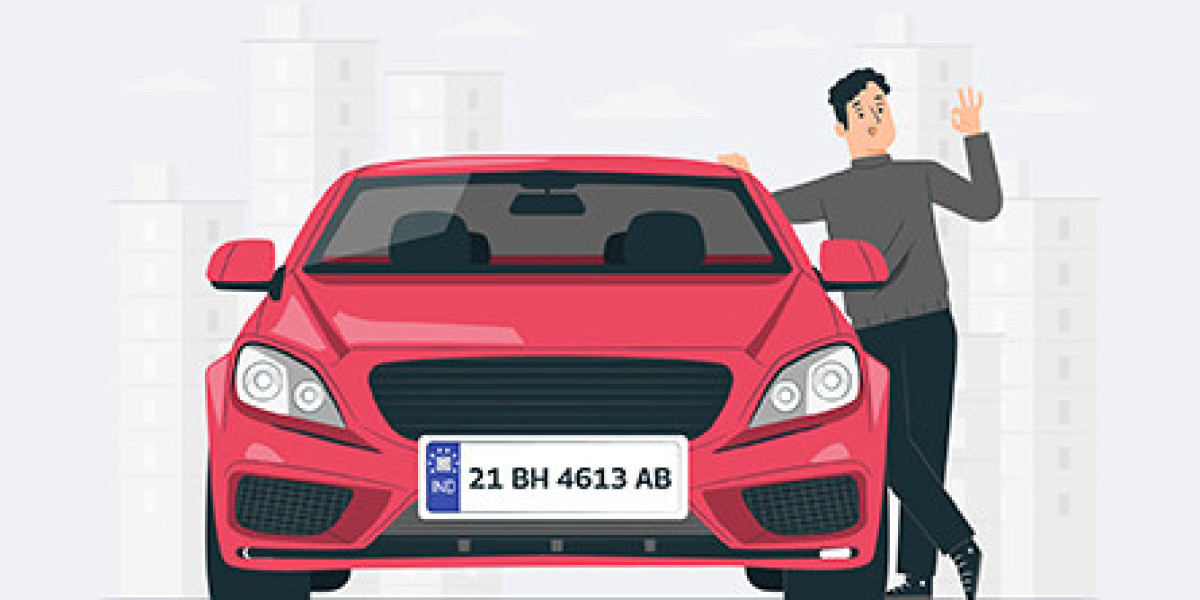

One day you’re driving to work, minding your own business, and the next your WhatsApp groups are buzzing with “Have you booked your HSRP?” reminders. It becomes this gentle pressure that nudges you into finally figuring out how—and where—to get it done. And let’s be honest, a lot of us went searching online without really knowing which link to trust. This article is for exactly that moment: a relaxed, honest walkthrough meant to feel more like a conversation than a government notice.
Understanding the Plate Everyone Keeps Talking About
Before getting buried in forms and booking links, it helps to know what the big deal is. The High-Security Registration Plate isn’t just a fancy metal tag. It’s designed to be tamper-proof, standardized, traceable, and secure in ways older, hand-painted or customized plates simply weren’t. There’s a laser-etched number, a non-removable snap lock, and a level of consistency that helps law enforcement track vehicles more efficiently.
But more than anything, it’s about uniformity—creating a straightforward system where every vehicle, whether two-wheeler or four-wheeler, follows the same format. It’s one of those things you don’t really appreciate until you notice the difference on the road: cleaner plates, less clutter, fewer confusing fonts. And once you understand it’s not merely a regulatory headache but actually useful, the whole process becomes easier to approach.
The Search for the “Right” Link
If you’ve ever tried booking anything government-related online, you already know the feeling: a small moment of hesitation before clicking a link, wondering if it’s real or a painfully convincing imitation. People often end up typing phrases like “ book my high security no plate ” into search bars, hoping the top result is trustworthy.
The thing is, many unofficial portals float around—some helpful, some opportunistic, and some that simply exist to confuse an already confused public. So the first step, surprisingly, is not filling out a form but making sure you’re on the right website. State transport departments list the approved portals, and once you reach an authorized one, everything becomes mercifully clearer.
A Process Simpler Than It Looks at First Glance
Once you're through the haze of multiple websites, the actual booking is far less dramatic than people expect. You enter your vehicle number, select your state, provide your chassis and engine number, pick a fitment center or home delivery option, and make the payment. That’s genuinely it.
Some people prefer going through dealer networks, especially if the dealership originally sold them the vehicle. Others like the convenience of the online route—quick, predictable, no need to stand in queues or explain anything to anyone behind a counter.
You’ll see people recommending links like “ book my high security number plate ” in casual conversations, even if they aren’t fully aware of which portal is authorized. That’s why a bit of self-verification goes a long way. Five extra seconds of checking beats dealing with incorrect bookings or delayed refunds later.
What Happens After You Click “Submit”
The post-booking stage is where patience quietly becomes your best friend. Some people get confirmation mails instantly, while others end up refreshing their inbox more times than they’d like to admit. The timeline depends on the state, the vendor, and sometimes sheer luck.
Then comes the wait for scheduling your plate installation or delivery. If you choose a fitment center, the visit is usually quick—10 to 20 minutes unless there's a crowd. With home delivery, it’s more unpredictable but also more comfortable. I’ve seen people describe it as “waiting for an Amazon package, but slower and more official.”
It’s not perfect, but it works. And once the plate finally arrives or gets installed, there’s this unexpected sense of relief, like you’ve completed a strangely modern rite of passage as a vehicle owner.
The Small Tips That Actually Help (Because People Rarely Say Them)
Here’s the thing: most guides explain the process but leave out the tiny, practical wisdom that makes the journey smoother. So consider this the part of the conversation where a friend leans in and shares the stuff you won’t find on government websites:
Triple-check your chassis number. One wrong digit means delays that feel longer than they should.
Keep screenshots. Even if the portal mails you the receipt, there’s comfort in holding a backup.
Avoid random “agents.” Unless you know them personally, it's better to rely on official channels.
Don't wait for the last deadline week. Those final days turn booking sites into slow-motion chaos.
Read the fine print. Some states require separate payment for color-coded stickers.
None of these are dramatic revelations, but they prevent a lot of unnecessary headaches.
Why Getting It Done Early Is Worth the Calm
People have different motivations. Some want to avoid fines. Some want to comply because rules are rules. Some don’t want police stopping them on a busy Monday morning. Others simply prefer not having unfinished tasks floating around in their head. Whatever the reason, completing the HSRP process early is worth the peace it brings.
It’s not glamorous, it’s not exciting, but it’s part of being a responsible vehicle owner in a country where millions of vehicles share the same roads.
Ending on a Simpler Note
We live in an age where everything—from groceries to certificates—can be booked online. And thankfully, HSRP fits into this world with its own clunky-but-functional system. Sure, the process isn’t flawless. It never is with large-scale government rollouts. But it’s manageable, and once you’ve gone through it, you realize it wasn’t the monster you imagined.
Maybe that’s the real takeaway. Most things seem harder before we start. And sometimes all we need is a nudge, a bit of clarity, and a friendly guide to walk us through it without drowning us in instructions.
If this article gave you even a small moment of clarity or comfort in the middle of your HSRP journey, then it’s done its job.